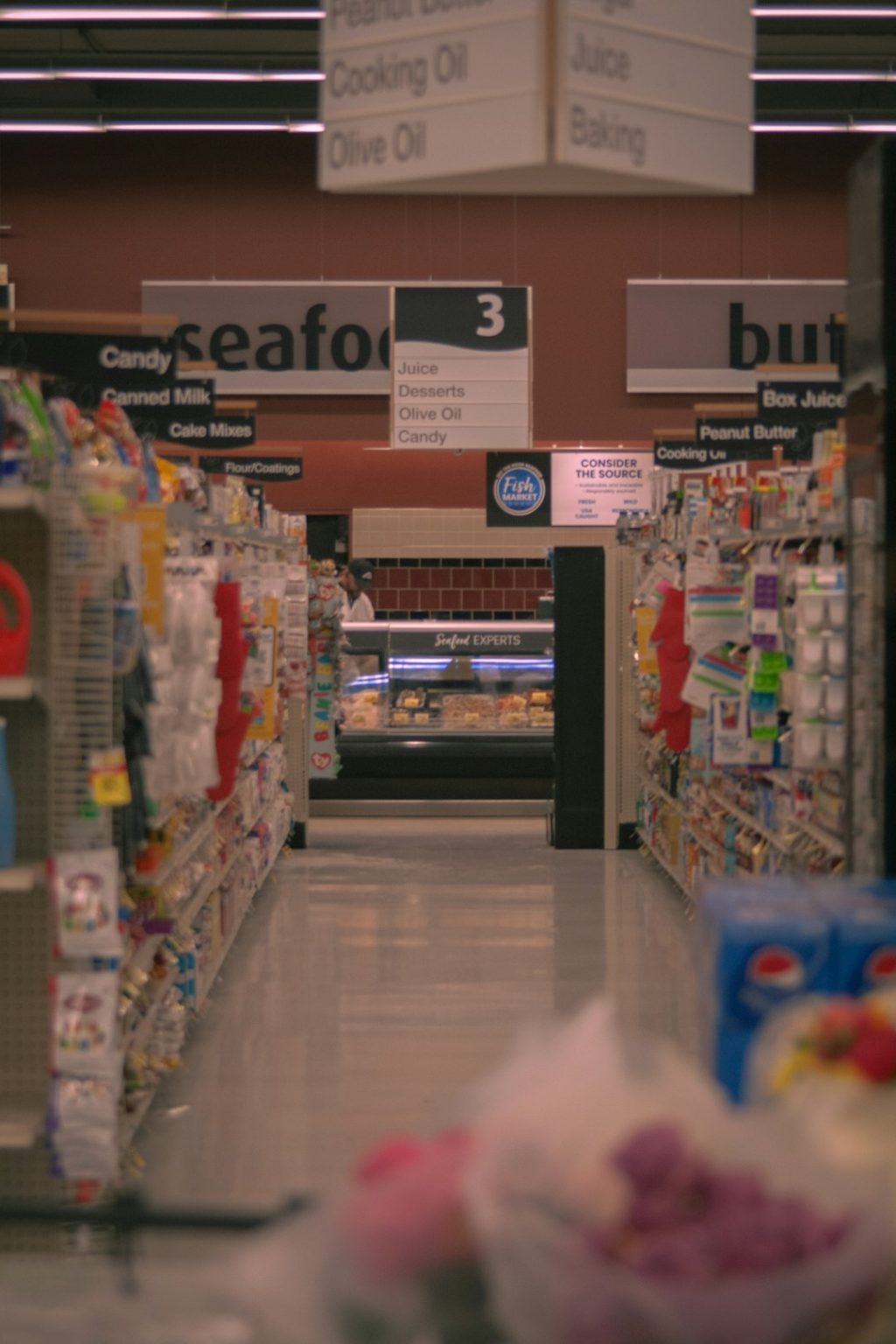
The ubiquitous presence of supermarket self-checkout lanes promised a revolution in retail efficiency, yet their true value proposition is increasingly under scrutiny. What began as a solution to reduce queues and operational costs has evolved into a complex parable, challenging both consumer patience and store profitability.
Across the globe, from bustling urban centers to suburban hubs, shoppers routinely encounter these automated stations. Retailers, facing rising labor costs and a competitive landscape, initially embraced supermarket self-checkout as a strategic move to streamline operations and offer perceived convenience.
However, the narrative surrounding this technology is far from simple. While some consumers appreciate the speed and autonomy, others lament technical glitches, perceived job displacement, and the unexpected burden of scanning their own groceries. This duality forms the core of the ongoing debate.
The business case versus hidden costs
For retailers, the primary allure of self-checkout systems lies in potential labor savings. A 2023 study by IHL Group found that self-checkout can reduce labor needs by up to 10-15% in some stores. This efficiency gain is crucial in an industry with notoriously thin margins.
Despite these projected savings, the hidden costs are substantial. As explored by The Economist in early 2026, retailers often face increased ‘shrinkage’ – losses due to theft, error, or fraud – which can be significantly higher at self-service stations. Reports suggest shrinkage rates at self-checkouts are nearly double those at traditional staffed registers.
Moreover, the initial investment in technology, ongoing maintenance, and the need for staff to assist frustrated customers or monitor for theft, can offset some of the anticipated cost reductions. This creates a delicate balance between automation and human intervention in the supermarket self-checkout environment.
Navigating consumer experience and trust
The promise of speed and control appeals to a segment of shoppers, particularly those with a few items or a desire for minimal interaction. Data from a 2024 Raydiant survey indicated that 60% of consumers prefer self-checkout when available. This highlights a clear demand for the option.
Yet, a significant portion of the customer base reports frustration. Glitches, scanning errors, and the infamous ‘unexpected item in the bagging area’ message are common complaints. This can lead to negative brand perceptions and a reduced willingness to return, impacting long-term loyalty.
Furthermore, the psychological contract between consumer and retailer shifts. When shoppers perform unpaid labor, there’s an implicit expectation of a benefit, such as lower prices or faster service. When this benefit isn’t realized, or frustration mounts, the ‘parable’ truly unfolds, revealing a disconnect.
The supermarket self-checkout represents a microcosm of broader automation trends in business. It offers a clear lesson: technology alone cannot solve complex problems without considering the human element, both for employees and customers. Striking the right balance is paramount.
The future likely involves a hybrid approach, integrating advanced AI to reduce errors and detect theft, alongside well-trained staff to provide essential service. Retailers must continuously evaluate the true cost and benefit, ensuring innovation genuinely enhances, rather than detracts from, the shopping experience.