Recent research unveils a surprising role for a vitamin A derivative, all-trans retinoic acid, in enabling tumors to evade the immune system. This byproduct has been shown to disarm immune responses and weaken cancer vaccines, prompting new drug development efforts.
Scientists at the Princeton University Branch of the Ludwig Institute for Cancer Research have identified new mechanisms by which a molecule derived from vitamin A interferes with the body’s ability to fight cancer. The findings, detailed across two significant scientific papers, clarify a long-standing debate surrounding retinoids’ complex effects on health.
This groundbreaking work not only sheds light on how cancer might be exploiting natural biological pathways to hide from detection but also led to the creation of the first experimental drugs designed to specifically block this immune-suppressing signal. The implications for future cancer immunotherapies are substantial.
How vitamin A disarms cancer immunity
A key discovery highlights that all-trans retinoic acid, a metabolite of vitamin A, actively weakens natural anti-cancer immune responses. This molecule, produced by enzymes like ALDH1a3 in cancer cells and ALDH1a2 in certain dendritic cells (DCs), initiates a signaling cascade that alters gene activity. This process can promote immune tolerance, as detailed in a study reported by ScienceDaily on January 16, 2026.
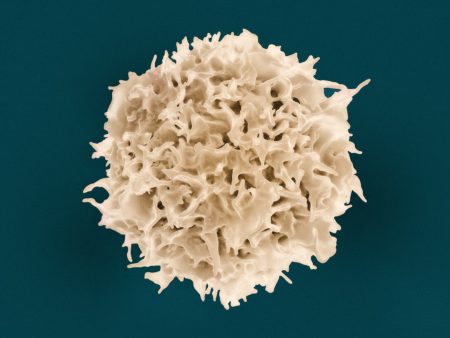
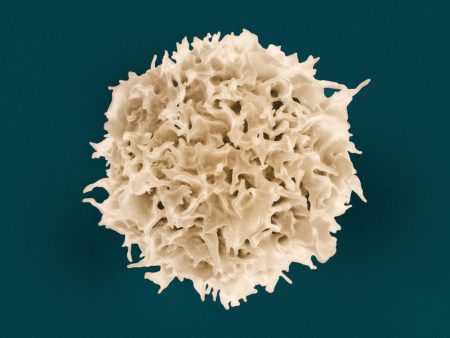
Dendritic cells are crucial for activating immune defenses, acting as sentinels that present cancer antigens to T cells. However, research led by Ludwig Princeton’s Yibin Kang and graduate student Cao Fang, published in Nature Immunology, found that retinoic acid produced by DCs can reprogram these vital cells. This reprogramming fosters tolerance towards tumors, significantly diminishing the effectiveness of dendritic cell vaccines designed to train the immune system against cancer.
Professor Kang emphasized, "Our findings reveal the broad influence retinoic acid has in attenuating vitally important immune responses to cancer." This mechanism is particularly concerning for immunotherapies that rely on robust immune cell activation, indicating a critical pathway cancer exploits.
Targeting retinoid signaling: A new therapeutic avenue
The challenge of safely blocking retinoid signaling has puzzled scientists for decades. Previous attempts to develop drugs targeting this pathway have often failed due to safety concerns or lack of specificity. However, a breakthrough, described in a separate study in iScience, led by former Kang lab graduate student Mark Esposito, combined computational modeling with large-scale drug screening.
This innovative approach provided the framework for developing KyA33, an experimental drug designed to inhibit retinoic acid production. Preclinical studies have shown KyA33 significantly improved the performance of dendritic cell vaccines in animal models. Furthermore, it demonstrated potential as a standalone cancer immunotherapy, offering a novel strategy to overcome immune suppression.
This development marks a major pharmacological advance. By selectively shutting down the cellular signaling pathway triggered by retinoic acid, KyA33 offers a precise tool to restore the immune system’s ability to recognize and attack malignant cells. The National Cancer Institute (NCI) highlights the importance of understanding immune evasion for effective treatments, underscoring the relevance of this work on their website.
The revelation that a common vitamin A byproduct can act as a hidden accomplice for cancer, helping it evade the immune system, reshapes our understanding of tumor immunology. The successful development of compounds like KyA33 represents a significant stride in addressing this challenge. Future research will likely focus on translating these preclinical successes into clinical trials, potentially offering new hope for enhancing cancer immunotherapies and improving patient outcomes.