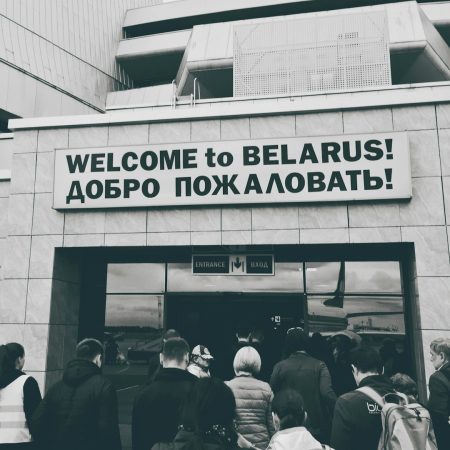
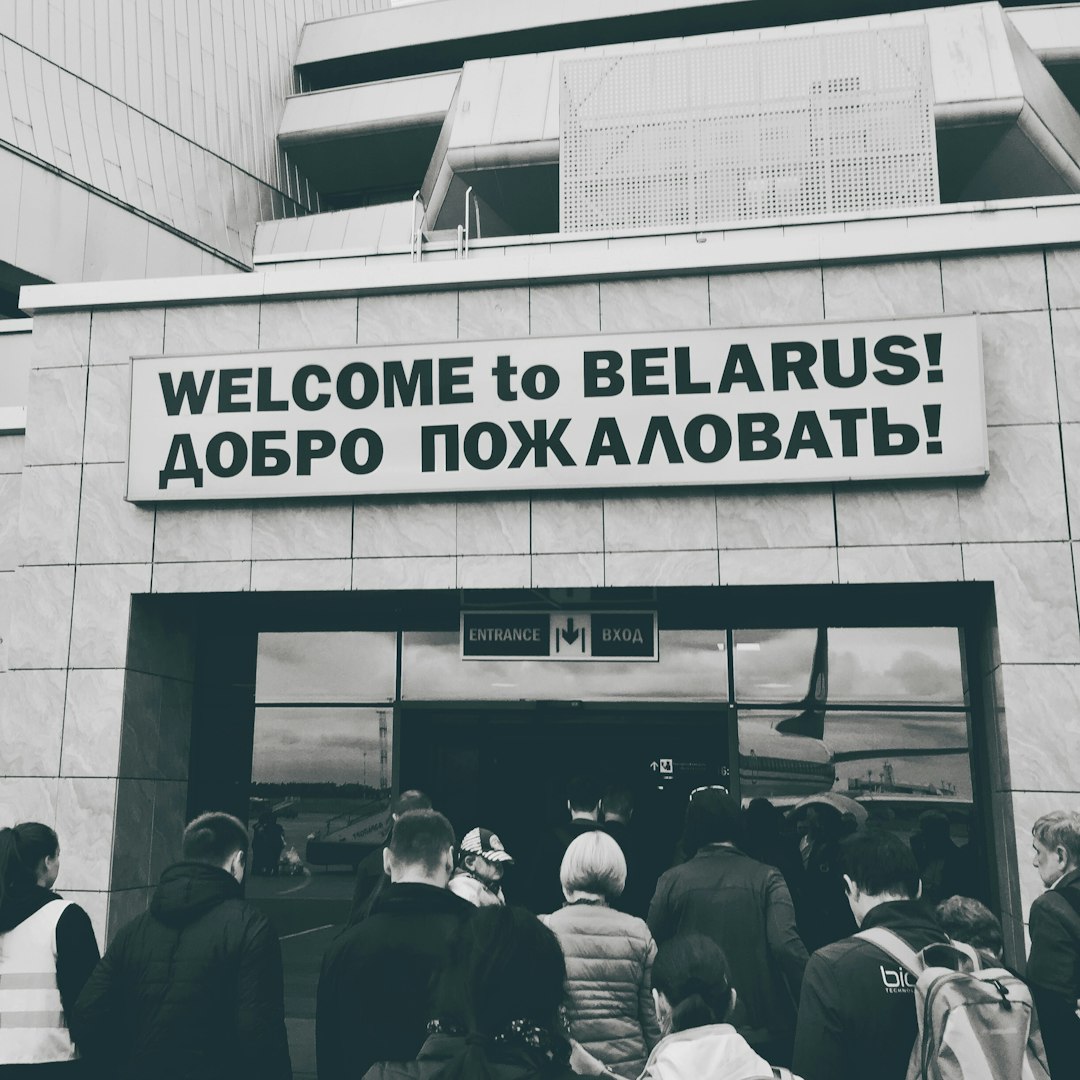
Belarus has authorized the establishment of ‘cryptobanks,’ institutions that will combine digital asset operations with traditional banking services, marking a significant step in the nation’s ambitious fintech strategy. This move, which positions the Eastern European country at the forefront of digital finance, aims to create a regulated environment for cryptocurrency activities.
The authorization builds upon Belarus’s existing progressive stance towards digital assets, notably through the Hi-Tech Park (HTP) decree of 2017, which legalized cryptocurrencies and initial coin offerings (ICOs). This new development extends that framework, providing a clearer pathway for businesses to integrate token operations directly into conventional financial systems. The initiative seeks to attract foreign investment and foster local innovation.
This strategic pivot is crucial for Belarus, a country actively seeking to diversify its economy and enhance its appeal as a technology hub. By offering a regulated space for cryptobanks, Minsk aims to mitigate risks associated with the volatile crypto market while capitalizing on the sector’s growth potential. It signals a clear intent to become a leader in the evolving landscape of global digital finance.
The framework for Belarus cryptobanks
Under the new regulatory framework, Belarus cryptobanks are empowered to conduct a wide array of activities, from issuing their own tokens and facilitating cryptocurrency exchange to offering traditional banking services such as account management and lending. This comprehensive approach is designed to provide a secure and legally defined environment for both businesses and individual investors. According to reports, including those from financial news outlets like The Block, these entities will operate under strict oversight.
The National Bank of Belarus, in conjunction with the Presidential Administration, is expected to play a pivotal role in supervising these new financial institutions. This dual oversight aims to ensure financial stability and protect consumers, while simultaneously fostering innovation. Unlike some jurisdictions that have taken a more cautious or restrictive approach, Belarus is actively promoting a symbiotic relationship between traditional finance and emerging digital asset technologies. This model allows for a more integrated financial ecosystem.
Implications for financial innovation and global markets
The emergence of Belarus cryptobanks could have profound implications for financial innovation within Eastern Europe and beyond. By offering a regulated model for combining token operations with banking, Belarus could attract significant foreign direct investment and nurture a vibrant local fintech ecosystem. This approach could serve as a blueprint for other nations considering comprehensive crypto integration.
However, the initiative also presents challenges, particularly concerning compliance with international anti-money laundering (AML) and counter-terrorist financing (CTF) standards. Regulators will face the complex task of balancing innovation with robust risk management. As the global financial community continues to grapple with cryptocurrency regulation, Belarus’s bold step will be closely watched for its successes and potential pitfalls, influencing future policy decisions worldwide.
Ultimately, Belarus’s decision to authorize cryptobanks represents a calculated gamble on the future of finance, aiming to harness the power of digital assets within a structured environment. This forward-thinking strategy could redefine the nation’s economic trajectory, provided it can effectively navigate the inherent complexities and risks of the rapidly evolving cryptocurrency landscape. Its success will offer valuable insights into the broader integration of digital currencies into the global economy.