Feeding a projected ten billion people by 2050 presents one of humanity’s most pressing challenges. With eight billion already facing food insecurity, radical shifts in agricultural production and equitable distribution are critical. Experts highlight that the knowledge and tools to prevent widespread hunger exist, yet their implementation remains insufficient globally.
This demographic surge, combined with climate change and resource depletion, intensifies the urgency for sustainable solutions. Current food systems struggle with inefficiency, waste, and unequal access, exacerbating the problem even where food is abundant. Addressing this complex issue requires a multi-faceted approach, integrating innovation with policy.
The imperative for sustainable production
The global food system faces an unprecedented demand, projected to feed ten billion people by mid-century. This demographic surge, coupled with the escalating impacts of climate change, necessitates a radical transformation in how we produce food. As Yurdi Yasmi highlighted on Project Syndicate on January 16, 2026, “agriculture must produce more with less – every season, everywhere.” This means prioritizing practices that boost yields without depleting natural resources.
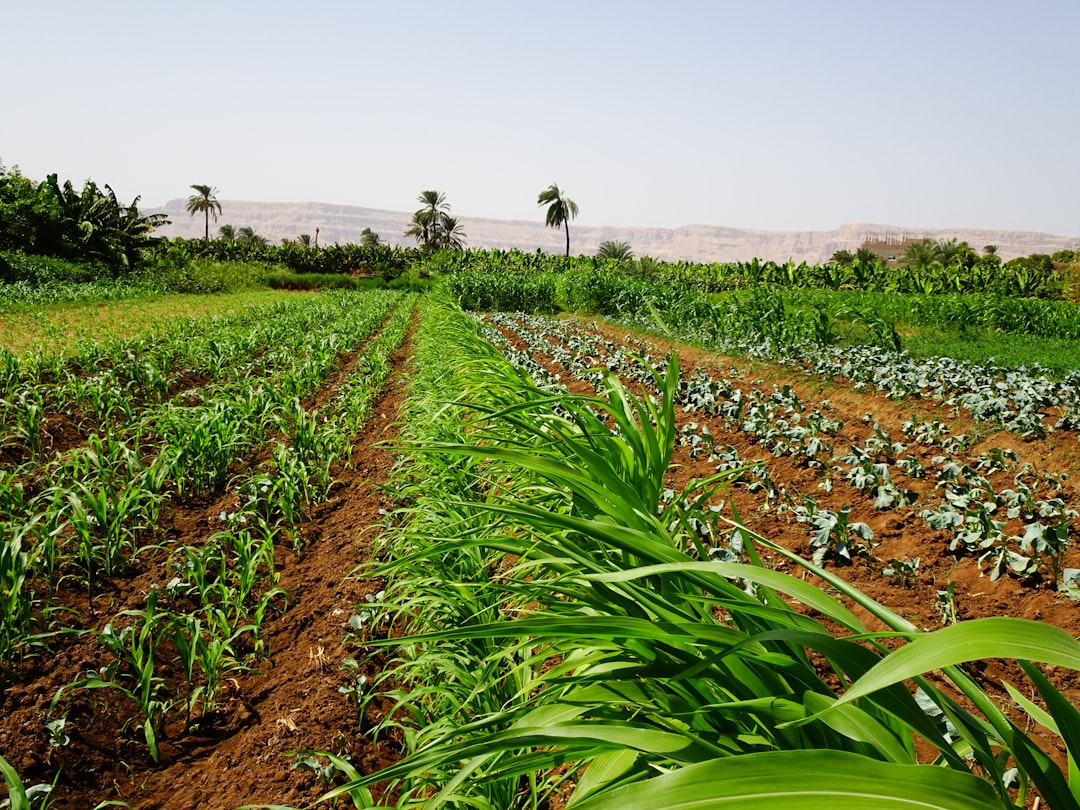
Innovations in sustainable agriculture are crucial for this transition. Precision farming, which uses data to optimize irrigation and fertilizer application, significantly reduces waste and environmental footprint. The development of climate-resilient crops, capable of thriving in diverse conditions, offers another pathway to enhance food security, especially in vulnerable regions. According to a 2023 FAO report, investing in such technologies is vital to meet future nutritional needs.
Beyond production: Distribution and waste
While boosting production is indispensable, it alone cannot solve the challenge of how to feed ten billion people. A significant portion of food produced globally is lost or wasted, from farm to fork. The United Nations Environment Programme’s Food Waste Index Report 2021 estimated that 17% of total global food production, or 931 million tonnes, is wasted annually. This figure represents both an ethical failing and a massive inefficiency in our current systems.
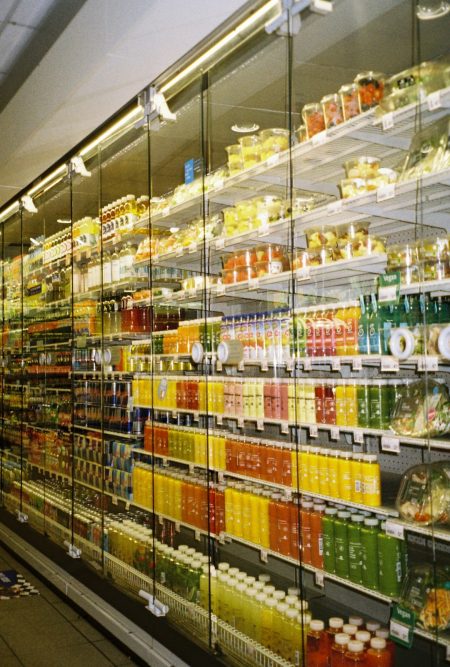
Addressing food loss and waste across supply chains is as critical as enhancing yields. Improving infrastructure for storage and transport, particularly in developing nations, can drastically reduce post-harvest losses. Furthermore, shifting consumer habits and promoting circular economy models for food can mitigate waste at the retail and household levels. Policy interventions and public awareness campaigns play a key role in fostering these necessary changes.
Feeding ten billion people demands a holistic strategy, integrating technological innovation in agriculture with profound systemic changes in distribution and consumption. The tools and knowledge are available, as experts affirm, but political will, collaborative action, and equitable investment are paramount. The future of global food security hinges on our collective ability to implement these solutions wisely and at scale, ensuring a sustainable and nourishing future for all.