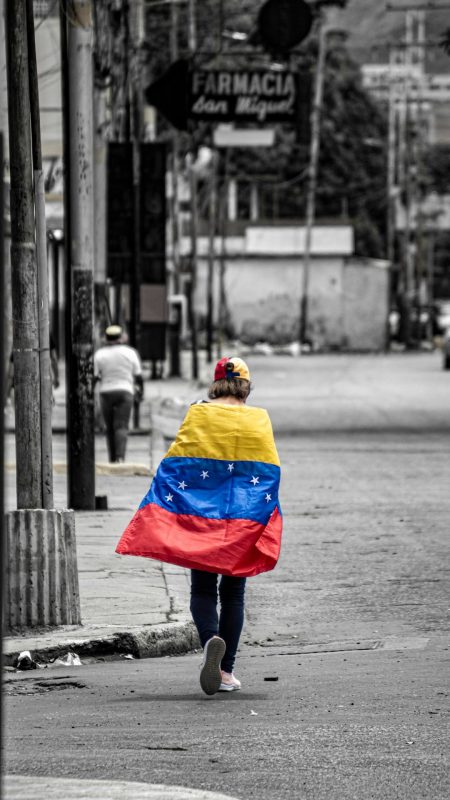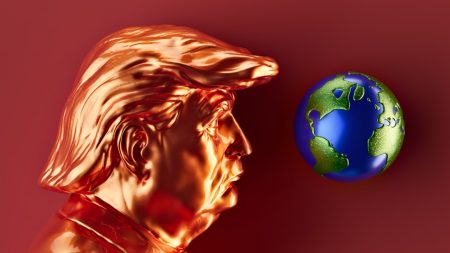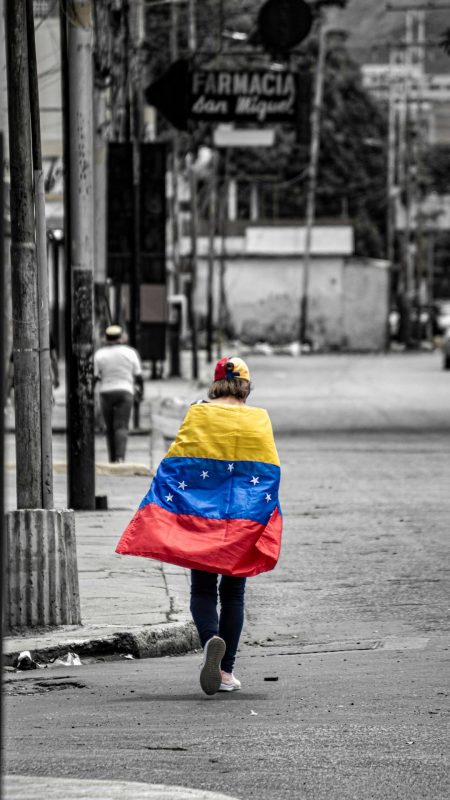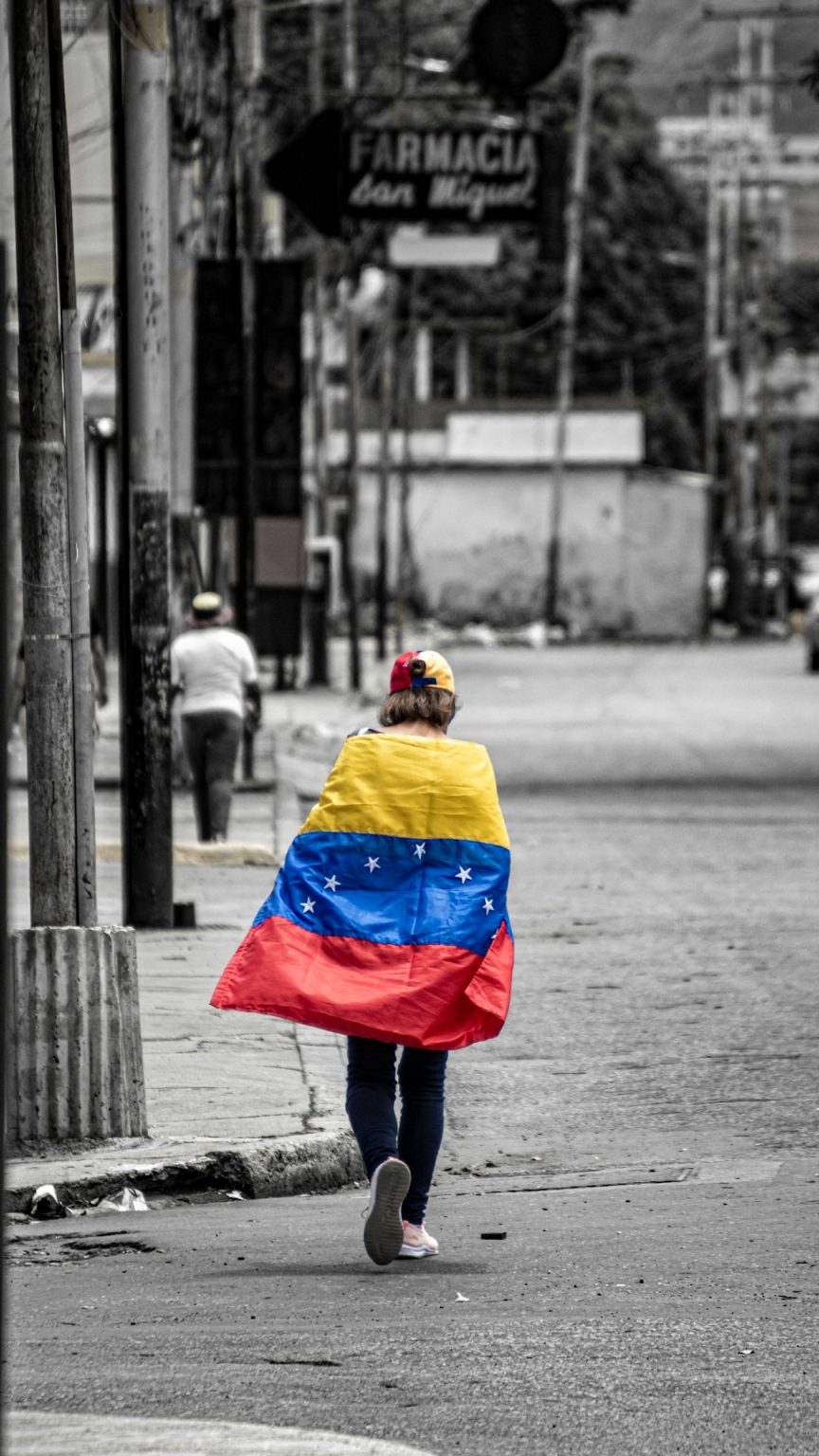
Initial hopes for a free Venezuela quickly faded on January 3, 2026, when US President Donald Trump announced his administration would “run the country” following Nicolás Maduro’s capture. This move, reported by Project Syndicate, instantly sidelined pro-democracy advocates and cast a shadow over the path to Venezuelan democracy.
The euphoria that swept across Venezuela and its diaspora, following opposition leader María Corina Machado’s proclamation of “the hour of freedom,” collapsed within hours. Trump’s intervention, rather than empowering the nation’s democratic forces, preserved the existing Chavista power structure, leaving Machado with minimal influence.
This unexpected turn of events has generated significant fear and confusion among Venezuelans, both domestically and abroad. Critics argue that the US approach, despite its stated goal of stability, has inadvertently stifled the organic development of a truly democratic transition, prolonging political uncertainty.
The erosion of democratic hopes
The immediate aftermath of Maduro’s removal saw a brief but intense period of optimism for Venezuelan democracy. However, Washington’s unilateral decision to assume control, rather than support a provisional government led by the opposition, effectively disempowered key figures like María Corina Machado.
Her early assertion on X, celebrating “the hour of freedom,” was quickly overshadowed by the US declaration. This move raised concerns among international observers about the long-term viability of a truly independent democratic process.
Experts at the Council on Foreign Relations have often highlighted the complexities of external interventions in sovereign nations. They note their potential to create unintended consequences and fuel resentment, directly impacting the prospects for stable self-governance.
By centralizing control, the Trump administration inadvertently mimicked the authoritarian tendencies it claimed to oppose. This prevented the organic emergence of a broad-based, locally-driven democratic consensus, risking alienation of the very population whose freedom it ostensibly sought.
Geopolitical implications and future risks
The decision to keep the Chavista power structure largely intact, albeit under US supervision, carries significant geopolitical ramifications. It signals a notable shift in US foreign policy regarding Latin America, prioritizing perceived stability over the immediate empowerment of democratic movements.
This approach could set a precedent for future interventions in the region. Analysts at the Latin American Studies Association (LASA) have pointed out that such interventions often lead to prolonged periods of instability, rather than swift transitions.
The lack of a clear exit strategy or a defined roadmap for Venezuelan self-governance exacerbates these concerns, leaving the nation’s political future in limbo. The international community now watches closely.
It questions whether this strategy will genuinely foster a stable, democratic Venezuela or merely replace one form of control with another, albeit with different actors. The risk of further internal divisions and external pressures remains high as the transition unfolds.
While the removal of Nicolás Maduro was a significant event, the subsequent actions by the US administration have complicated, rather than simplified, Venezuela’s path to democracy. The hope for a self-determined future, championed by figures like María Corina Machado, now hinges on how US policy evolves.
It also depends on whether genuine national dialogue can eventually prevail over external control. The world awaits to see if true Venezuelan democracy will ever be allowed to flourish, free from foreign imposition.