
Even as global climate diplomacy faces persistent gridlock, the undeniable forces of climate economics are rapidly reshaping industries and investment landscapes. The recent COP30 summit in Belém, for instance, concluded without a binding agreement on fossil fuel phase-out, yet financial markets continue to pivot towards sustainability.
This dichotomy highlights a critical shift: while political consensus lags, economic realities are driving a market-led transition. Businesses and investors increasingly recognize the tangible risks of ecological degradation and the immense opportunities in low-carbon solutions.
The imperative for change is now deeply embedded in financial models, influencing everything from corporate strategies to national infrastructure projects. This momentum transcends political cycles, propelled by innovation and investor demand for resilience.
The accelerating shift in green markets
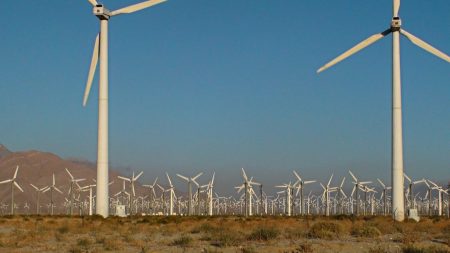
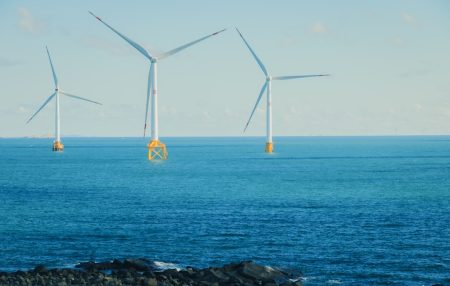
The growth of renewable energy exemplifies how climate economics is outracing diplomatic efforts. Global investment in renewable energy reached a record $1.8 trillion in 2023, according to the International Renewable Energy Agency (IRENA), far surpassing investments in fossil fuels. This surge is driven by falling costs and technological advancements.
Solar and wind power are now often cheaper than new fossil fuel plants, making them economically attractive even without significant subsidies. Companies are increasingly committing to net-zero targets, not just for reputation, but to secure long-term competitive advantages and meet investor expectations. This market dynamic creates a powerful feedback loop.
Major economies, including the United States with its Inflation Reduction Act, are deploying significant capital to accelerate domestic green industries. This move, while politically motivated, also reflects an economic calculus to foster innovation and create jobs in future-proof sectors.
Pricing climate risk and fostering adaptation
Beyond direct investment in renewables, financial markets are becoming more sophisticated in pricing climate-related risks. Insurers, for example, are recalibrating premiums in regions prone to extreme weather events, directly reflecting the costs of climate change. This signals a concrete economic consequence for inaction.
Asset managers are integrating environmental, social, and governance (ESG) factors into their investment decisions, recognizing that companies with strong sustainability practices often demonstrate better long-term financial performance. This approach, as highlighted by MSCI ESG Research, helps identify firms better positioned for a low-carbon future.
The market is beginning to reward those who adapt and penalize those who fail to account for climate risk. This includes investments in resilient infrastructure, sustainable agriculture, and water management solutions, creating entirely new markets and opportunities for innovation.
While political negotiations on climate change remain arduous and often disappointing, the economic engines of the world are already committed to a transformative path. The momentum generated by investment, innovation, and risk repricing suggests that the transition will continue, driven by the relentless logic of markets rather than the slow pace of diplomatic consensus.