Venezuela’s vast oil reserves are a global flashpoint. We examine the complex economic and geopolitical questions shaping the future of Venezuelan oil and its critical international impact. The nation holds the world’s largest proven crude oil deposits, making its energy sector a constant subject of intense scrutiny and strategic maneuvering by major global powers.
The allure of these immense resources often overshadows the intricate political and economic challenges within Venezuela itself. Recent hypothetical scenarios, such as the one discussed on Project Syndicate, raise critical questions about external motivations. Anas Alhajji, writing for the publication in January 2026, pondered if actions like seizing control of Venezuelan oil would aim to boost US refinery profits or lower global energy prices.
Beyond immediate economic gains, the strategic control of such significant energy assets carries profound geopolitical weight. It influences global power dynamics, energy security, and the balance of trade for nations heavily reliant on oil imports. Understanding these underlying currents is essential to grasping the full scope of Venezuela’s place in the international energy landscape.
The economic drivers behind Venezuelan oil interest
The sheer volume of Venezuela’s heavy crude presents a unique opportunity and challenge for the global market. US Gulf Coast refineries, specifically designed to process this type of oil, have historically relied on Venezuelan imports. Sanctions and political instability have forced these refineries to seek alternative, often more expensive, sources, impacting their operational costs and profit margins.
Some analysts suggest that restoring a steady flow of Venezuelan oil could significantly alter global energy prices. Flooding the market with this vast supply might lower crude costs for American consumers and potentially disrupt the market influence of organizations like OPEC. This economic leverage could be a powerful motivator for any nation seeking to stabilize or control global energy markets, as noted by a U.S. Energy Information Administration (EIA) analysis.
The economic calculus also extends to the potential for direct financial gains. If external entities were to gain control over Venezuela’s production, the profits generated from extracting and selling this oil could be immense. This prospect of substantial revenue, coupled with the desire to ensure stable supply chains, forms a compelling economic argument for involvement in the nation’s energy sector.
Geopolitical stakes and global power plays
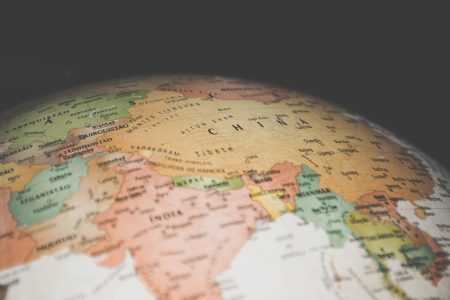
Venezuela’s oil also plays a critical role in the broader geopolitical arena, particularly concerning China’s energy security. China, a major global energy consumer, has invested heavily in Venezuelan infrastructure and has significant loans tied to future oil deliveries. Ensuring continued access to these resources is a strategic priority for Beijing, making any shifts in control a direct concern.
The potential for a major power to curb a rival’s access to vital energy resources is a significant geopolitical motivator. A Council on Foreign Relations report highlights how Venezuela’s instability has created a vacuum, inviting external actors with varying agendas. The ability to deny or control supply to competitors strengthens a nation’s strategic position on the world stage, impacting trade relationships and diplomatic leverage.
Moreover, the future of Venezuelan oil is intertwined with regional stability in Latin America. The economic fallout from its diminished oil production has ripple effects, contributing to migration crises and political tensions across neighboring countries. Any resolution or intervention regarding Venezuela’s oil sector would inevitably have profound implications for the entire region, shaping its economic and political landscape for years to come.
The questions surrounding Venezuelan oil extend far beyond simple economics; they delve into the heart of global power dynamics, energy security, and national sovereignty. As the world continues its complex energy transition, the fate of Venezuela’s vast reserves will remain a critical barometer of international relations and a potent symbol of geopolitical ambition. The answers will define not just Venezuela’s future, but aspects of global energy policy for decades.