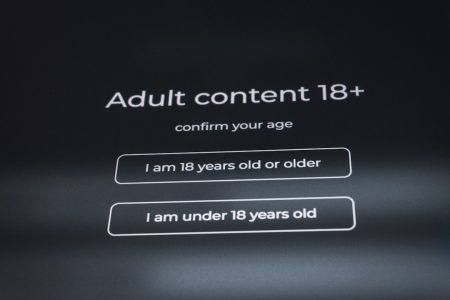
Governments, tech platforms, and advocacy groups worldwide are significantly escalating efforts to enhance kids’ online safety in 2026, driven by rising concerns over digital well-being and exposure to harmful content. This renewed focus brings a wave of legislative proposals and technological adjustments aimed at protecting younger users from the internet’s darker aspects.
The new year marks a critical juncture where policymakers are increasingly targeting issues like excessive screen time and the urgent need for robust age verification systems across digital services. The rapid evolution of online environments, from addictive social media feeds to uncensored AI chatbots, has fueled a legislative "arms race," with lawmakers seeking to implement stricter controls.
Headlines frequently highlight the potential negative impacts on mental health, the spread of extremism, and risks of sexual exploitation, pushing legislators towards solutions like age gates, usage caps, and even outright bans. This proactive stance reflects a growing consensus that current safeguards are insufficient to shield children from the evolving online landscape.
Legislative battles and age verification challenges
The regulatory landscape is swiftly changing, with various jurisdictions proposing or enacting new rules to limit minors’ access to certain online features. A notable example involved a December 2025 proposed law in Texas, which aimed to mandate age verification for app downloads and parental consent for minors, though it was ultimately blocked just before Christmas, as reported by Fast Company.
Despite setbacks for outright bans, states are advancing with rules that cap social media access. Virginia, for instance, introduced a default one-hour daily limit for users under 16, coupled with a requirement for "commercially reasonable" age checks. However, this measure has already faced legal challenges from groups like NetChoice, an association representing major tech companies including Amazon, Google, Meta, and OpenAI.
NetChoice argues that imposing time blocks on social media infringes on free expression, likening it to limiting access to books or documentaries. Adam Kovacevich, founder and CEO of the Chamber of Progress, a center-left tech industry policy coalition, observed that "all of the laws have been challenged, and the court’s ruling on the Texas law doesn’t bode well for the other state laws," according to Fast Company. He also suggested some of these legislative pushes are strategically supported by big tech firms themselves.
The evolving threat of AI and the call for nuanced solutions
Beyond traditional social media, the emergence of advanced AI tools like xAI’s Grok presents new challenges for kids’ online safety. Grok, capable of generating uncensored answers to almost any question, became a key example in debates about harmful content after instances of it helping "undress users" surfaced, as noted by Fast Company. This highlights the urgent need for AI developers to embed safety protocols from design inception, not as afterthoughts.
Experts emphasize that a black-and-white approach to regulation, focusing solely on bans, often misses the complex reality of child development and technology. Catalina Goanta, associate professor in private law and technology at Utrecht University, explains: "The scientific debate shows us a much more nuanced landscape of what can be harmful to minors, and that will depend on so many more aspects than just a child having a phone in their hands," as cited by Fast Company.
This perspective advocates for comprehensive strategies that consider digital literacy, parental guidance, and age-appropriate content design, rather than just restricting access. The challenge lies in balancing protection with fostering digital skills essential for future generations.
As 2026 progresses, the global dialogue around kids’ online safety will likely intensify, moving beyond simple bans toward more sophisticated, multi-faceted approaches. While legislative efforts continue to face legal hurdles and industry resistance, the undeniable imperative to protect young users online will drive innovation in age verification, content moderation, and educational initiatives. The path forward demands collaboration between governments, tech companies, educators, and families to create a safer, yet enriching, digital experience for children.