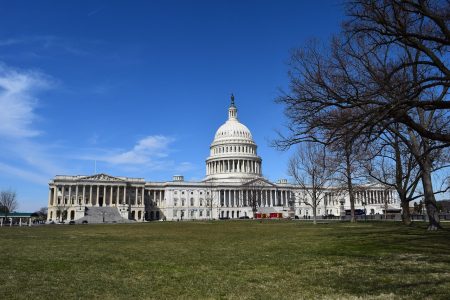
A deepening stablecoin yield fight between major crypto exchange Coinbase and the White House is now jeopardizing the passage of the proposed CLARITY Act. This pivotal legislative effort, designed to establish a comprehensive regulatory framework for stablecoins, faces significant headwinds as industry and government stakeholders remain at odds over critical definitions and oversight.
The dispute centers on how stablecoin offerings that provide returns to users should be classified and regulated. Coinbase advocates for a flexible approach that fosters innovation, while the White House, through various agencies, emphasizes robust consumer protection and financial stability concerns, pushing for more stringent banking-like oversight.
This high-stakes disagreement, as highlighted by a report from The Block in January 2026, underscores a fundamental tension in Washington’s approach to digital assets. The CLARITY Act, intended to bring much-needed legal certainty, now risks becoming a casualty of this ideological divide, leaving the burgeoning stablecoin market in a state of regulatory ambiguity.
The contentious debate over stablecoin yields
At the core of the stablecoin yield fight is the question of whether yield-bearing stablecoin products constitute securities or fall under a different regulatory umbrella. Coinbase, a prominent player in the digital asset space, argues that these products are distinct from traditional banking deposits or investment contracts, advocating for tailored rules that do not stifle technological advancement.
According to a recent statement from a Coinbase spokesperson, “Excessively broad classifications could inadvertently push innovation offshore and limit U.S. competitiveness in the global digital economy.” This sentiment reflects a broader industry desire for regulations that acknowledge the unique characteristics of blockchain technology rather than shoehorning them into existing financial frameworks.
Conversely, the White House, particularly through the Treasury Department and financial regulators like the SEC, expresses concerns about the potential for systemic risk and investor vulnerability. A Treasury report published in late 2025 emphasized the need for stablecoin issuers to meet capital and liquidity requirements similar to those of traditional financial institutions, especially when offering yield.
This perspective stems from lessons learned during past crypto market volatility, where certain yield-generating platforms faced solvency issues, leading to significant investor losses. Regulators aim to prevent such scenarios by imposing stricter oversight, ensuring that consumer funds are adequately protected and that stablecoins do not pose a threat to broader financial stability.
CLARITY Act’s precarious path forward
The CLARITY Act, hailed as a critical step towards comprehensive stablecoin regulation, finds its future increasingly uncertain amidst this fierce debate. Lawmakers on Capitol Hill are struggling to reconcile the differing views from industry and the White House, making consensus on key provisions, especially those related to yield, incredibly difficult.
Sources close to congressional negotiations suggest that the inclusion or exclusion of specific language around yield-generating stablecoins has become a significant sticking point. “Without a unified approach from stakeholders, the Act risks being watered down or, worse, failing to pass altogether,” noted Dr. Emily Chen, a senior fellow at the Brookings Institution focusing on digital asset policy, in a January 2026 interview.
The absence of clear federal guidelines could lead to a fragmented regulatory landscape, with states implementing their own rules or existing agencies asserting jurisdiction in an uncoordinated manner. This scenario would create compliance complexities for businesses and potentially hinder the growth and adoption of stablecoins in the United States.
The ongoing stablecoin yield fight is more than a technical disagreement; it represents a foundational conflict over the philosophy of crypto regulation. As the CLARITY Act hangs in the balance, the outcome of this struggle will profoundly shape not only the future of stablecoins but also the broader trajectory of digital asset innovation and adoption within the U.S. financial system.