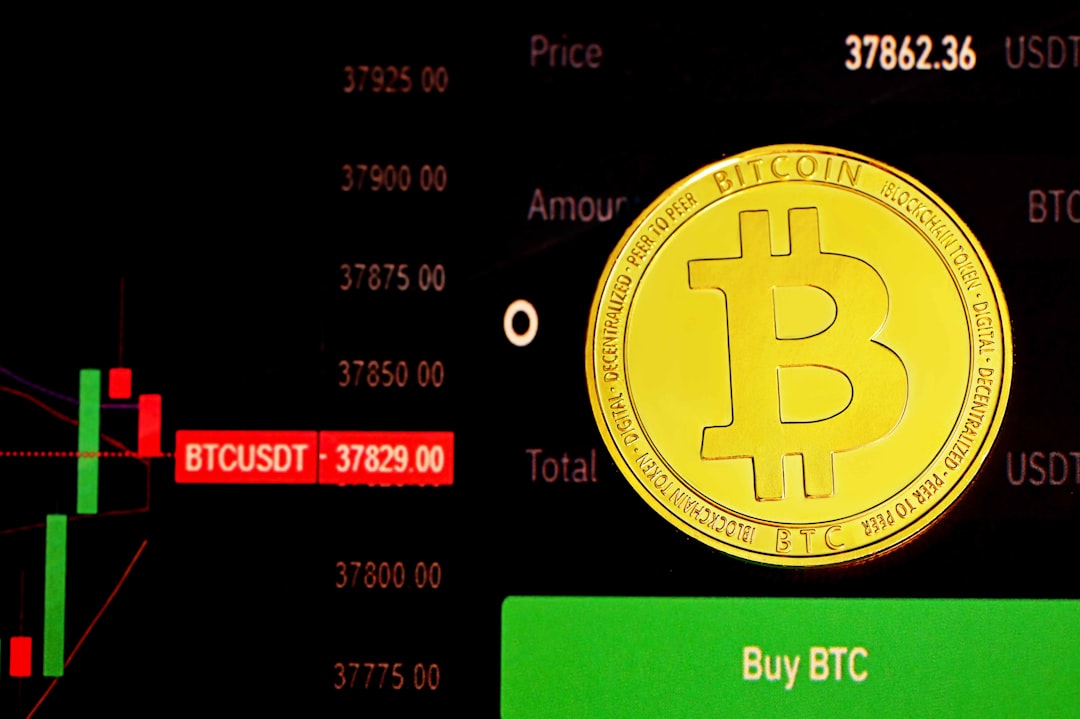
Bitcoin’s price sharply dropped this week, falling below the critical $92,500 mark as escalating fears of a trade war between the United States and the European Union rattled global financial markets. This significant downturn, initially reported by outlets like The Block, underscores the cryptocurrency’s increasing sensitivity to geopolitical tensions.
The digital asset, often touted as a hedge against traditional market instability, instead mirrored broader risk-off sentiment that swept across equities and commodities. Investors pulled back from speculative assets, seeking refuge in safer havens as discussions around potential tariffs on key goods from both sides of the Atlantic intensified.
This recent Bitcoin price drop reflects a growing trend where the cryptocurrency market, once seen as detached, is now deeply intertwined with global economic indicators and geopolitical events. Analysts are closely watching how these trade tensions develop, particularly their potential to trigger wider economic slowdowns.
The ripple effect of trade tensions on digital assets
The prospect of a US-EU tariff war introduces significant uncertainty into global supply chains and corporate earnings, directly impacting investor confidence. A recent report from the International Monetary Fund (IMF) projected a potential 0.5% reduction in global GDP growth if major trade barriers are erected. This scenario triggers widespread de-risking strategies across financial markets.
Historically, Bitcoin has sometimes acted as a safe haven during localized crises, but its reaction to broad economic threats, especially those involving major global economies, differs. Experts at Bloomberg Economics noted that while gold tends to thrive in such environments, Bitcoin’s correlation with tech stocks and its liquidity profile make it vulnerable to sell-offs when global risk appetite diminishes.
Investor sentiment and Bitcoin’s evolving role
The latest Bitcoin market volatility highlights a critical shift in how the asset is perceived. Once seen primarily as a niche digital currency, Bitcoin is now largely integrated into the broader financial ecosystem, attracting institutional investors and high-net-worth individuals. This integration, while boosting its legitimacy, also exposes it to the same systemic risks that affect traditional markets.
Analysts from JPMorgan Chase observed that large institutional holders often liquidate portions of their crypto portfolios to cover losses in other asset classes during periods of high market stress. This behavior amplifies downward price movements, pushing Bitcoin further below key support levels. The rapid decline suggests a lack of strong buying support at these valuations, at least in the short term.
As the specter of a US-EU trade conflict looms, the immediate future for Bitcoin appears tied to developments in international trade diplomacy. While the long-term fundamentals of decentralized finance remain compelling, short-term price action will likely continue to reflect the ebb and flow of global economic confidence. Investors are advised to monitor official statements from trade negotiators and central banks closely, as these will be crucial in shaping the next market moves for digital assets.