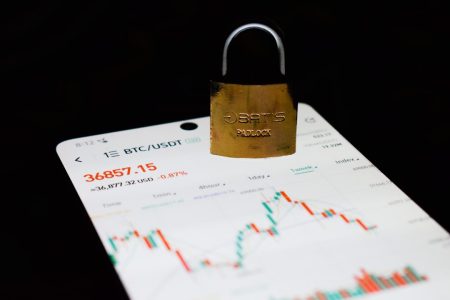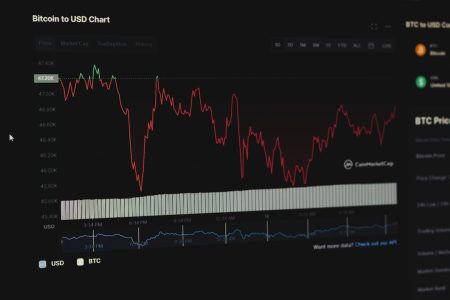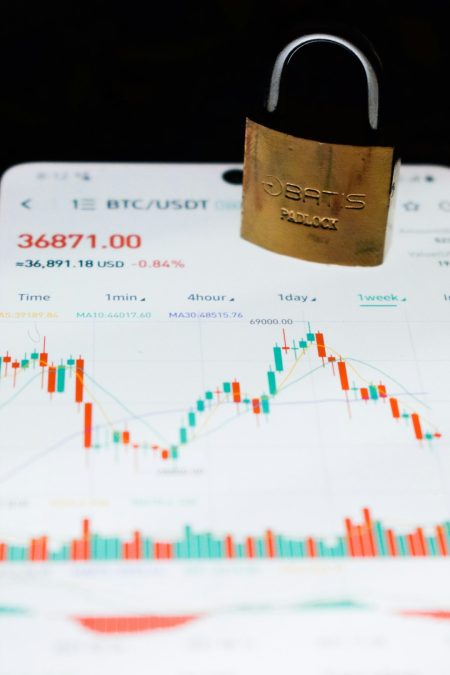
Bitcoin’s price experienced a notable decline this week, reflecting heightened investor apprehension surrounding potential tariff escalations between the United States and the European Union. This market sensitivity underscores how macroeconomic and geopolitical tensions increasingly influence the volatile digital asset landscape, pushing investors towards caution.
Simultaneously, traditional finance continues its embrace of digital innovation, with the New York Stock Exchange (NYSE) reportedly developing a 24/7 tokenized securities trading platform. This move by a major global exchange highlights a significant shift towards integrating blockchain technology into mainstream capital markets, promising enhanced efficiency and accessibility.
These contrasting developments, as reported by outlets like The Block, paint a complex picture of the current financial environment. The crypto market navigates global uncertainties while established institutions lay foundations for a future where digital assets play a central role in everyday trading.
Geopolitical shifts and bitcoin’s market outlook
The recent dip in bitcoin’s value is largely attributed to mounting fears of a renewed tariff war between the US and the EU. Such trade disputes historically trigger broader market instability, leading investors to de-risk their portfolios. For an asset like bitcoin, often seen as a barometer for risk appetite, this translates to selling pressure.
Analysts from Bloomberg Intelligence have noted that while some once viewed bitcoin as a digital safe haven, its correlation with traditional equities has grown, making it susceptible to global economic headwinds. A significant trade conflict could disrupt supply chains, dampen economic growth, and ultimately reduce liquidity available for riskier assets.
This situation highlights the ongoing debate about bitcoin’s role in a diversified investment strategy. Its performance during periods of geopolitical strain offers critical insights into its maturity and its eventual categorization within the global financial system, whether as a store of value or a speculative growth asset.
NYSE’s 24/7 tokenized trading platform
In a bold move signaling the future of traditional finance, the New York Stock Exchange is reportedly advancing plans for a platform enabling 24/7 trading of tokenized securities. This initiative aims to leverage blockchain technology to offer continuous trading, fractional ownership, and potentially faster settlement times for a range of assets, from stocks to real estate.
This development follows a growing trend among major financial institutions exploring the benefits of tokenization. According to a report by Deloitte, tokenized assets could streamline capital markets, reduce intermediaries, and unlock liquidity in previously illiquid markets. The NYSE’s foray into this space could set a new industry standard.
The implications for investors are substantial, offering unprecedented flexibility and access to markets beyond traditional trading hours. For the broader financial ecosystem, it represents a convergence of legacy financial infrastructure with cutting-edge distributed ledger technology, potentially redefining how assets are owned, traded, and managed globally.
The current financial landscape presents a fascinating dichotomy: a global macroeconomic climate riddled with uncertainty impacting established digital assets like bitcoin, juxtaposed with relentless innovation from traditional financial giants. While trade tensions may cause short-term volatility, the long-term trajectory points towards an increasingly interconnected and tokenized future. The coming months will reveal how these powerful forces continue to shape the evolution of global capital markets.