Scientists at the University of British Columbia have achieved a significant milestone, successfully growing helper T cells from stem cells, a critical step forward for scalable cancer cell therapy. This breakthrough, reported by ScienceDaily.com on January 20, 2026, promises to make potent immune treatments more accessible and affordable globally.
The ability to reliably generate these long-missing immune cells from stem cells addresses a major bottleneck in the development of “off-the-shelf” cell therapies. Such treatments, which could be manufactured in advance and on a larger scale, represent a paradigm shift from current personalized therapies that are costly, complex, and often out of reach for many patients.
Current engineered cell therapies, such as CAR-T treatments, have shown remarkable success against certain cancers, turning patients’ own immune cells into ‘living drugs’. However, their reliance on individual patient cells limits scalability and drives up costs. The new research paves the way for a more universal approach, potentially transforming treatment landscapes for cancer and other diseases, as highlighted by the National Cancer Institute.
The essential role of helper T cells in immunotherapy
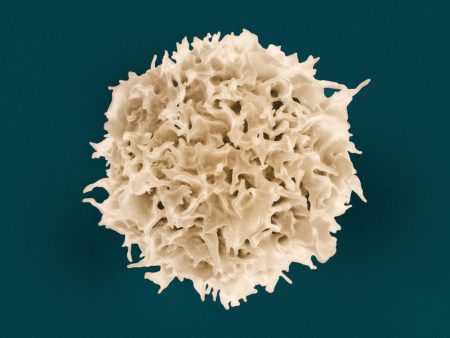
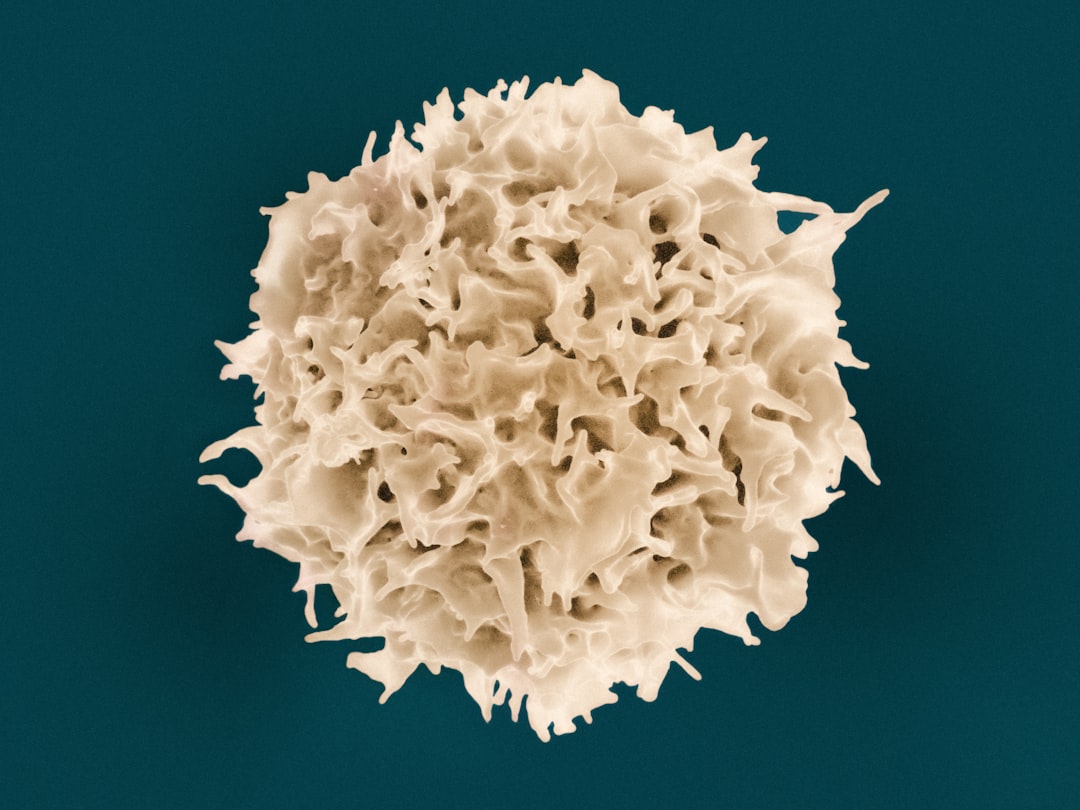
Cancer cell therapies are most effective when two types of T cells collaborate: killer T cells, which directly eliminate cancerous cells, and helper T cells, which coordinate the immune response. Helper T cells act as the immune system’s conductors, detecting threats, activating other immune cells, and sustaining long-term immune responses against disease.
While significant progress has been made in generating killer T cells from stem cells in laboratory settings, the consistent production of helper T cells has remained an elusive challenge. Dr. Megan Levings, a co-senior author and professor at UBC, emphasizes their critical role: “Helper T cells are essential for a strong and lasting immune response. It’s critical that we have both to maximize the efficacy and flexibility of off-the-shelf therapies.”
This gap has prevented the full realization of stem cell-based immune therapies. The recent findings, published on January 7 in Cell Stem Cell, mark a pivotal moment, offering a pathway to harness the full potential of engineered immune cells.
Unlocking cell control: The Notch signal
The UBC team’s breakthrough centers on precisely manipulating biological signals that guide stem cell development. They discovered that a developmental signal known as Notch plays a crucial, yet time-sensitive, role in determining whether stem cells differentiate into helper T cells or killer T cells. If the Notch signal remains active for too long, it inadvertently blocks the formation of helper T cells.
“By precisely tuning when and how much this signal is reduced, we were able to direct stem cells to become either helper or killer T cells,” explained Dr. Ross Jones, a co-first author. This fine-tuned control allowed researchers to consistently generate helper T cells under controlled laboratory conditions, a crucial step for biomanufacturing. The lab-grown helper T cells also demonstrated full maturity and functional behavior, mirroring their natural counterparts.
This method not only solves a long-standing scientific puzzle but also offers a practical, scalable approach for producing diverse immune cell types. Dr. Peter Zandstra, co-senior author and director of the UBC School of Biomedical Engineering, notes this addresses “one of the biggest challenges in making these lifesaving treatments accessible to more people.”
The ability to grow helper T cells from stem cells represents a foundational advance in regenerative medicine and cancer treatment. This discovery moves us closer to a future where personalized cell therapies are replaced by readily available, cost-effective “off-the-shelf” options, potentially revolutionizing how we combat cancer, infectious diseases, and autoimmune disorders. The coming years will likely see intensified efforts to translate this lab success into clinical applications, offering new hope to millions.