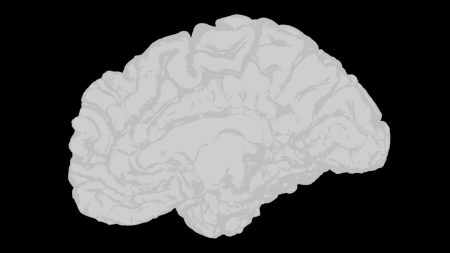
Scientists at Case Western Reserve University have identified a hidden protein interaction significantly accelerating Parkinson’s disease. This discovery, published in Molecular Neurodegeneration, offers a novel target for future therapies. It reveals how a specific molecular pathway damages the brain’s energy systems, leading to neuron loss and shifting focus from symptom management to root causes.
Parkinson’s disease impacts approximately one million people in the United States, with nearly 90,000 new diagnoses annually, according to the Parkinson’s Foundation. This progressive brain disorder gradually destroys dopamine-producing nerve cells, vital for controlled movement. Current treatments primarily alleviate symptoms, but their effectiveness often diminishes over time.
Understanding the underlying biological mechanisms is crucial for developing lasting solutions. The research team, led by senior author Xin Qi, a professor of brain sciences at Case Western Reserve School of Medicine, spent three years investigating these molecular pathways. Their work sheds new light on how toxic protein buildup contributes to neuron death, opening doors for new, targeted therapies.
Understanding the damaging protein interaction
The study uncovered a harmful interaction between alpha-synuclein, a protein notorious for accumulating in Parkinson’s disease, and the enzyme ClpP. While ClpP normally helps maintain cellular health, its abnormal binding with alpha-synuclein disrupts its function. This interference directly impacts mitochondria, the cell’s vital energy generators.
When mitochondria fail due to this disrupted interaction, widespread neurodegeneration and brain cell loss ensue, accelerating the disease’s progression. “We’ve uncovered a harmful interaction between proteins that damages the brain’s cellular powerhouses, called mitochondria,” stated Xin Qi. This critical damage to the brain’s energy supply is a hallmark of the disease.
A targeted approach to restore brain function
To counteract this destructive process, researchers developed a novel treatment called CS2. This compound is engineered to block the damaging protein interaction, allowing mitochondria to recover normal function. CS2 acts as a decoy, preventing alpha-synuclein from binding to ClpP and thus safeguarding the cell’s energy systems. This innovative strategy offers a targeted intervention.
In multiple experimental models, including human brain tissue, patient-derived neurons, and mouse models, CS2 demonstrated significant benefits. It reduced brain inflammation and led to improvements in both movement and cognitive performance. Di Hu, a research scientist involved in the study, emphasized this as “a fundamentally new approach to treating Parkinson’s disease.”
This breakthrough, detailed on ScienceDaily on January 20, 2026, leverages Case Western Reserve’s expertise in mitochondrial biology and neurodegenerative research. The collaborative environment and advanced experimental models facilitated translating basic biological insights into a promising therapeutic strategy. This research offers a beacon of hope for patients.
The identification of this specific protein interaction and the development of CS2 represent a significant leap forward in Parkinson’s research. Moving beyond symptomatic relief, this approach offers a path toward interventions that could halt or even reverse disease progression. The team aims to advance CS2 towards human clinical trials within the next five years, refining the drug and expanding safety testing.
Ultimately, this work envisions transforming Parkinson’s from a crippling condition into a manageable or resolved one, restoring quality of life for millions. This future-oriented research promises profound impacts on patient care and the understanding of neurodegenerative diseases.