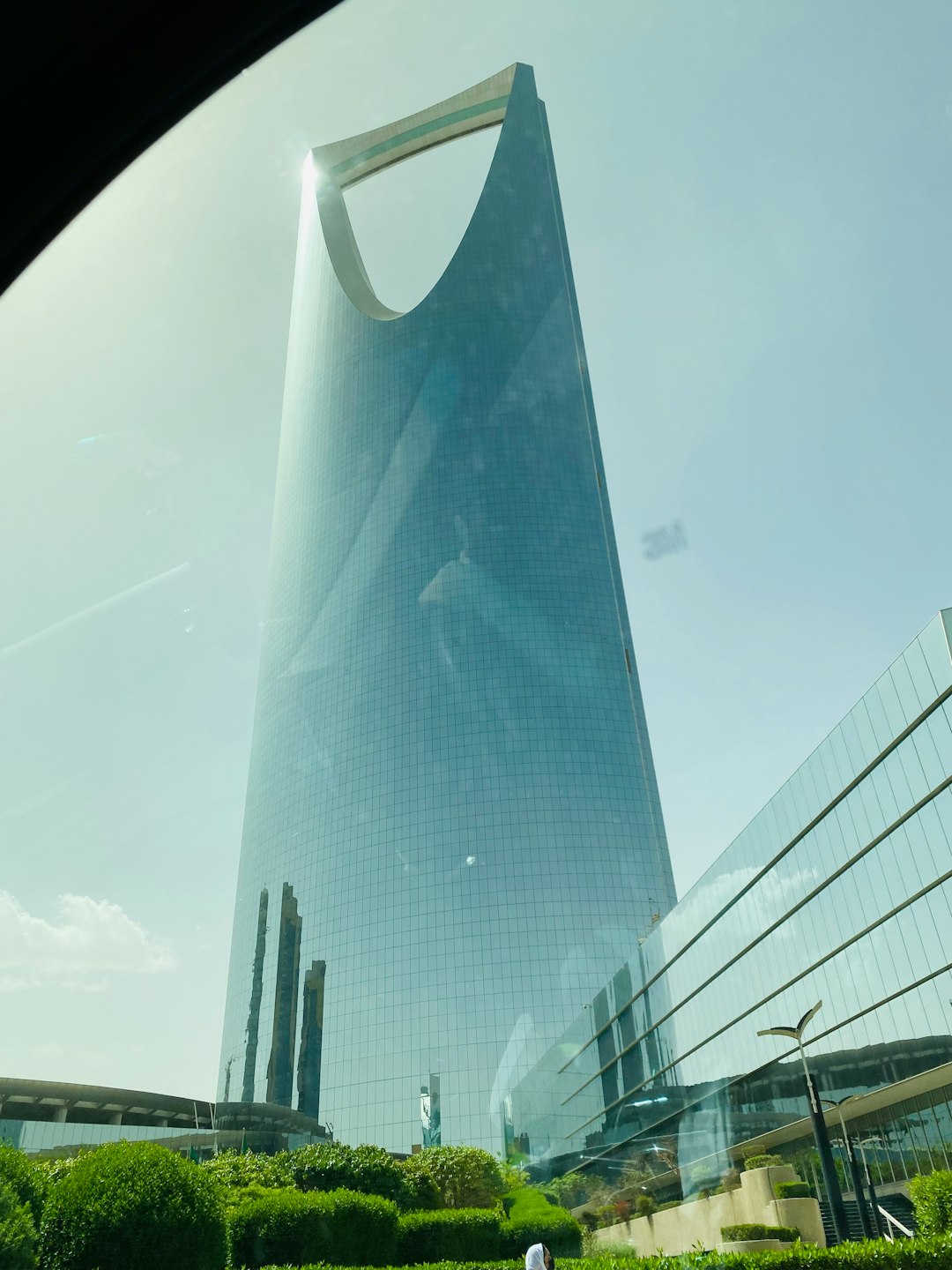
Saudi Arabia’s stock market, Tadawul, recently opened its doors to all foreign investors, marking a significant structural shift for the Gulf region’s financial landscape. This move positions the Kingdom as an emerging investment destination, aiming to attract institutional capital globally.
For decades, the Gulf has been seen primarily as a source of capital, home to some of the world’s largest sovereign wealth funds. However, Riyadh’s decision signals a strategic redefinition, moving beyond capital export to become a hub for international investment. This initiative aligns with Vision 2030, the ambitious plan to diversify the Saudi economy away from oil dependence.
The opening of Tadawul represents a bold step, promising to enhance liquidity, improve market efficiency, and integrate Saudi Arabia more deeply into the global financial system. Such reforms are crucial for fostering economic growth and attracting the foreign direct investment needed for large-scale projects, including NEOM.
The allure of Tadawul and investor scrutiny
The Tadawul All Share Index (TASI) stands as the largest stock exchange in the Middle East and North Africa, with a market capitalization exceeding $2.5 trillion. This opening offers unique opportunities for global investors seeking exposure to a rapidly developing economy driven by ambitious state-backed projects.
Nevertheless, this expansion invites heightened scrutiny. As Alissa Kole noted in a January 2026 commentary for Project Syndicate, foreign investors will meticulously assess the quality of Tadawul’s corporate governance regulations.
Kole stressed that these frameworks will likely require significant refinement to align with global expectations and foster robust investor trust. This focus on governance is paramount for sustaining long-term capital inflows.
The Kingdom has already implemented reforms, including enhanced disclosure requirements and protections for minority shareholders, as part of its broader economic transformation. According to a 2023 report by the World Bank, Saudi Arabia has made notable progress in improving its business environment.
However, challenges persist in specific areas, such as competition and regulatory predictability, which are critical for attracting and retaining sophisticated foreign institutional investors. These areas are key for a truly globalized stock market.
Broader implications for Gulf finance
The decision to fully open Tadawul is not an isolated event; it reflects a broader trend across the Gulf Cooperation Council (GCC) states to diversify economies and attract global capital. Neighboring markets, such as the Dubai Financial Market and Abu Dhabi Securities Exchange, have also been taking steps to enhance their appeal.
This regional competition for investment capital could spur further reforms and innovation across GCC exchanges. Data from the International Monetary Fund (IMF) indicates that foreign portfolio investment in emerging markets generally correlates with stronger governance frameworks and economic stability.
Moreover, the influx of foreign capital into Saudi Arabia could foster a more dynamic financial ecosystem, encouraging local companies to adopt best practices in transparency and corporate governance. This could, in turn, lead to a more robust and resilient market, benefiting both domestic and international participants.
Significant initial public offerings (IPOs) like Aramco’s in 2019, though primarily domestic, showcased the immense potential of Saudi entities. Future listings are likely to draw even greater international attention now that the market is fully accessible to all foreign investors.
The full opening of Saudi Arabia’s stock market marks a critical juncture, promising to redefine the Kingdom’s role in global finance. While the opportunities for foreign investors are substantial, the success of this ambitious endeavor hinges on continuous improvements in corporate governance and regulatory transparency.
The coming years will reveal how effectively Tadawul can balance rapid growth with the robust frameworks demanded by a truly global investment community, shaping the future of finance in the Gulf and beyond.