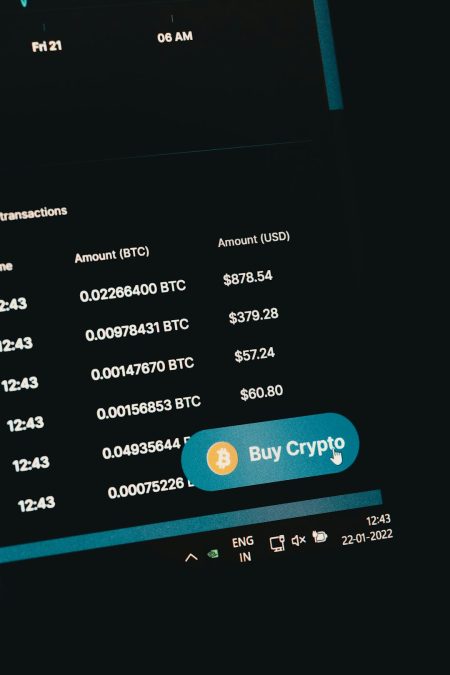
Daily transactions for crypto payment cards have surged an astonishing 22x since late 2024, signaling a critical inflection point for digital asset adoption in mainstream commerce. This dramatic increase reflects a growing comfort among consumers and businesses to integrate cryptocurrencies into their everyday financial lives, moving beyond speculative trading.
This exponential growth, as highlighted in recent industry observations, including reports by financial news outlets like The Block, underscores a significant shift. What was once a niche product for early adopters is now rapidly becoming a practical tool for everyday spending, bridging the gap between volatile digital assets and traditional fiat economies.
The shift is not merely about volume; it represents a maturation of the underlying infrastructure and a clearer regulatory landscape. Consumers are increasingly seeking frictionless ways to utilize their digital holdings, and major payment networks are responding by expanding their support for these innovative financial instruments.
The drivers behind the surge in crypto payment cards
Several factors are converging to fuel this remarkable surge in crypto payment cards usage. Improved user experience stands out, with card providers simplifying the conversion of digital assets to fiat at the point of sale. This ease of use removes a significant barrier for those new to cryptocurrency, making transactions as straightforward as using a traditional debit or credit card.
Furthermore, the expanding ecosystem of supported cryptocurrencies and the integration with popular digital wallets have made these cards more versatile. According to a recent report by a leading blockchain analytics firm, transaction fees have also become more competitive, making crypto payments a more attractive option for a wider range of purchases. This competitive landscape is driving innovation.
Market stability in key digital assets, coupled with increased consumer education, also plays a pivotal role. As the general public gains a better understanding of how cryptocurrencies function and perceive them as more than speculative investments, confidence in using them for daily expenses grows. This psychological shift is crucial for sustained adoption.
Overcoming obstacles for wider adoption
Despite the impressive growth, the path to widespread adoption for crypto payment cards still faces hurdles. Regulatory clarity remains a paramount concern across different jurisdictions. Governments and financial authorities are still navigating how best to supervise these evolving financial products, which can lead to uncertainty for both issuers and users.
Security and consumer protection are also areas of ongoing focus. While card providers implement robust security measures, educating users on best practices for protecting their digital assets is essential. A spokesperson for a major crypto card provider recently noted, “Building trust through transparent security protocols and responsive customer support is non-negotiable for long-term success.”
Scalability of blockchain networks and the efficiency of real-time conversions are technical challenges that continue to be addressed. As daily transaction volumes continue to climb, the underlying infrastructure must evolve to handle the demand without compromising speed or cost-effectiveness. Innovations in layer-2 solutions and interoperability are critical here.
The extraordinary 22x surge in daily transactions for crypto payment cards since late 2024 marks a definitive moment for digital finance. This trend suggests a future where digital assets are seamlessly integrated into our daily economic lives, moving beyond the realm of specialized investors. As infrastructure matures, regulatory frameworks clarify, and user confidence solidifies, these cards are poised to redefine how we conduct transactions, solidifying cryptocurrency’s place in the global financial landscape.