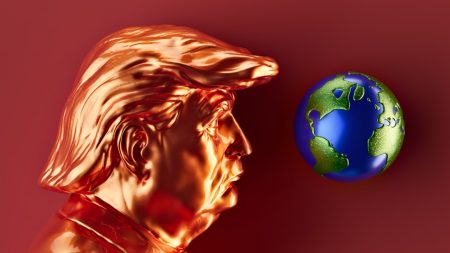
Since early 2026, a more aggressive United States, dubbed “Rogue America”, has actively reshaped the global economic outlook, challenging long-standing international norms and alliances. This unilateral approach from Washington, as highlighted by a Project Syndicate report, risks destabilizing the post-war international order that supported generations of economic growth.
President Trump’s recent actions, including military intervention in Venezuela and threats of large sanctions on European Union countries opposing US annexation of Greenland, signal a radical departure from traditional diplomacy. These moves introduce profound uncertainty into global markets, impacting trade flows, investment decisions, and geopolitical stability worldwide.
The established framework of international institutions, agreements, and alliances, which once provided a predictable environment for commerce and cooperation, now faces unprecedented strain. This erosion of trust and predictability is a critical concern for businesses and governments navigating an increasingly volatile global landscape.
The erosion of international norms and alliances
The concept of “Rogue America” fundamentally questions the multilateral system built after World War II. For decades, institutions like the World Trade Organization and NATO served as pillars of stability, fostering open markets and collective security. Their efficacy and relevance are now actively undermined by a US foreign policy prioritizing unilateral action, creating deep fissures in global governance.
This shift extends beyond specific incidents, representing a broader recalibration of US engagement with the world. Experts observe a move away from consensus-building towards coercive diplomacy, where threats of sanctions or military force become primary tools. Such tactics inevitably provoke counter-reactions, further fragmenting global cooperation and pushing allies into defensive postures.
The implications for international law and diplomatic relations are severe. When a major global power disregards established protocols, it sets a dangerous precedent, potentially encouraging other nations to similarly flout international agreements. This could lead to a more anarchic international environment, where power politics supersede shared values and collective security interests.
Economic repercussions and global uncertainty
The immediate economic fallout from a “Rogue America” approach is palpable, manifesting as increased trade tensions and investment hesitancy. Threats of tariffs, as seen in previous administrations, disrupt complex global supply chains, forcing companies to reconsider their manufacturing and distribution strategies. This uncertainty directly impacts corporate profitability and consumer prices.
Moreover, the weaponization of economic tools, like sanctions, against perceived adversaries or even allies, creates a volatile environment for international commerce. Investors become wary of placing capital in regions susceptible to sudden punitive measures, leading to capital flight and reduced foreign direct investment. This risk aversion slows global economic growth.
According to analyses from the International Monetary Fund, such geopolitical instability can significantly reduce global trade volumes and depress commodity prices. The interconnectedness of modern economies means unilateral actions by one major player reverberate across continents, affecting everything from emerging markets to developed nations. IMF reports frequently cite geopolitical risks as a top concern.
Long-term implications include a potential restructuring of global economic alliances. Nations may diversify away from reliance on unpredictable partners, leading to new trade blocs and currency arrangements. This could decentralize global economic power and challenge the dollar’s dominance. The Council on Foreign Relations has explored these scenarios extensively, noting the complex path to any significant shift.
The emergence of “Rogue America” marks a significant inflection point in international relations and the global economic order. While the full extent of its long-term impact remains to unfold, the immediate consequences are clear: increased volatility, diminished trust, and a fundamental questioning of the frameworks that once guaranteed stability. Adaptability and strategic foresight will be paramount for nations and businesses navigating this new, less predictable era.