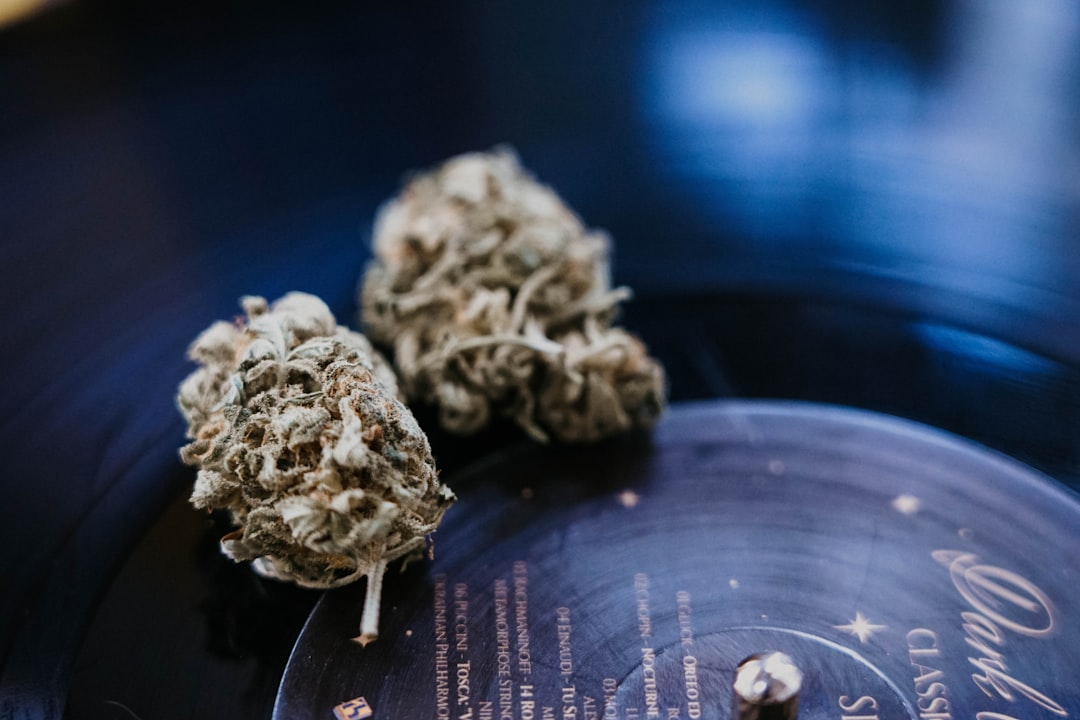
New research suggests that micro-doses of THC, the active compound in cannabis, may significantly reduce long-term side effects of HIV treatment without causing a high. This promising discovery, highlighted by the Texas Biomedical Research Institute, points to a novel strategy for managing the chronic complications faced by people living with HIV.
Modern antiretroviral therapy has transformed HIV from a fatal diagnosis into a manageable chronic condition, allowing millions to lead longer, healthier lives. However, this extended lifespan often comes with a heavy cost: a persistent state of chronic inflammation and a range of debilitating co-morbidities affecting the cardiovascular system, liver, and brain.
Understanding these ongoing health challenges, scientists are actively exploring adjunctive therapies to improve the quality of life for those on ART. The focus is on treatments that can address systemic inflammation and organ damage.
These issues are often exacerbated by both the virus itself and the prolonged use of potent medications, as highlighted by the National Institutes of Health regarding chronic inflammatory conditions.
The unexpected benefits of low-dose THC
A recent study published in Science Advances, conducted by researchers at the Texas Biomedical Research Institute, unveiled several potential advantages of daily low-dose THC alongside ART. Over a three-year period in animal models, scientists observed a significant reduction in inflammation, lower levels of harmful cholesterol and toxic secondary bile acids.
One of the most striking findings, as reported on ScienceDaily.com, was the unexpected decrease in circulating ART drug concentrations in the bloodstream of the THC-treated group. Despite lower drug levels, viral suppression remained intact.
This suggests THC might accelerate ART metabolism, potentially safeguarding the liver from long-term drug toxicity. Professor Mahesh Mohan, DVM, Ph.D., from Texas Biomed, emphasized the lab’s interest in ‘finding solutions to help address’ the chronic inflammation experienced by people living with HIV, which leads to various co-morbidities.
THC’s impact on gut-brain axis and inflammation
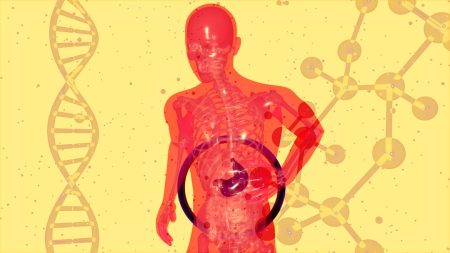
Further analysis revealed substantial improvements in the gut-brain axis. Levels of serotonin, a vital neurotransmitter influencing mood, sleep, and digestion, were significantly higher in the THC-treated group.
Dr. Lakmini Premadasa, a Staff Scientist in Dr. Mohan’s lab, identified increased numbers of serotonin-producing enterochromaffin cells and beneficial gut bacteria, such as L. plantarum. These changes support serotonin synthesis and enhance communication between the gut and the brain, without any observed negative impacts over the three-year study.
The comprehensive analysis of hundreds of metabolites over the study period consistently showed no negative effects from the daily low-dose THC. This absence of adverse outcomes, combined with the observed benefits, strengthens the case for further investigation into this therapeutic avenue, particularly for mitigating chronic inflammation in conditions like HIV.
While these preclinical findings are highly encouraging, further clinical trials are essential to confirm these benefits and establish optimal dosing in human patients. The potential for low-dose THC to improve the long-term health and quality of life for individuals with HIV is substantial.
By addressing chronic inflammation and potentially reducing ART-related toxicities, this research represents a significant step forward in HIV management beyond viral suppression alone. It opens new doors for integrated care strategies, promising a future where living with HIV means not just survival, but thriving.