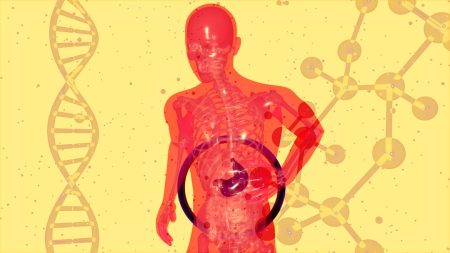

New genetic research has unveiled a surprising connection between a common nutrient, vitamin B1 (thiamine), and how often people experience bowel movements, providing critical clues into gut motility and conditions like irritable bowel syndrome (IBS). This discovery, detailed in a recent study published in Gut journal, analyzed data from over a quarter million individuals, highlighting an unexpected biological pathway.
While bowel habits are often a private matter, they offer crucial insights into digestive system efficiency. Disruptions in this process lead to widespread issues such as constipation, diarrhea, and IBS, yet the precise biological regulators of gut movement remain largely unmapped. This new genetic evidence pushes the boundaries of our understanding, offering fresh perspectives.
Led by Professor Mauro D’Amato of LUM University and CIC bioGUNE, an international team employed a large-scale genetic strategy. They meticulously searched for common DNA differences correlated with stool frequency across a diverse cohort of European and East Asian ancestry, leveraging advanced computational methods to pinpoint key genes and processes.
Genetic roadmap of gut motility and unexpected discoveries
The analysis identified 21 regions within the human genome influencing bowel movement frequency, with 10 of these being entirely new discoveries. Many genetic signals aligned with established gut regulation mechanisms, including bile-acid regulation crucial for fat digestion and nerve signaling involved in intestinal muscle contractions, like acetylcholine pathways. These findings solidify existing knowledge about how the gut functions.
The most striking revelation, however, centered on vitamin B1 biology. Researchers focused on two high-priority genes, SLC35F3 and XPR1, known for their roles in thiamine transport and activation within the body. This strong genetic signal prompted further investigation into daily dietary habits, exploring a potential link between vitamin B1 and bowel movements.
Vitamin B1: A surprising link to bathroom frequency
An examination of dietary data from the UK Biobank involving 98,449 participants revealed that a higher intake of dietary thiamine was indeed linked to more frequent bowel movements. This relationship was not universal; it depended significantly on genetic variations within the SLC35F3 and XPR1 genes, indicating that inherited differences in thiamine processing can shape how vitamin B1 influences bowel habits in the general population.
Dr. Cristian Diaz-Muñoz, the study’s first author, emphasized the power of genetics in mapping biological pathways that dictate gut pace. He noted, “What stood out was how strongly the data pointed to vitamin B1 metabolism, alongside established mechanisms like bile acids and nerve signaling,” in a report by ScienceDaily.com. This highlights the unexpected yet significant role of a common vitamin.
These findings carry significant implications, particularly for conditions like IBS, which affects millions globally and are often rooted in gut motility problems. Professor D’Amato suggests these genetic results, especially the vitamin B1 connection, offer “testable leads for the next stage of research, including lab experiments and carefully designed clinical studies.”
As scientists continue to unravel the complex interplay between genetics, diet, and digestive health, this unexpected role for vitamin B1 could pave the way for novel diagnostic tools and targeted therapies. Such advancements could move beyond symptomatic treatments towards addressing underlying biological mechanisms that influence bowel movement frequency, offering new hope for those with chronic digestive issues.