New DNA analysis has profoundly reshaped the understanding of the Beachy Head Woman, a Roman-era skeleton whose origins sparked over a decade of scientific debate. Initially believed to have roots in sub-Saharan Africa or the Mediterranean, advanced genetic research now indicates she was most likely a local woman from Roman Britain, as reported by ScienceDaily.com on January 25, 2026.
This groundbreaking re-evaluation, detailed in the Journal of Archaeological Science, challenges long-held assumptions about early migration patterns and the diversity within Roman Britain. The case of the Beachy Head Woman underscores the dynamic nature of scientific inquiry and how evolving technology can unlock deeper truths about our past.
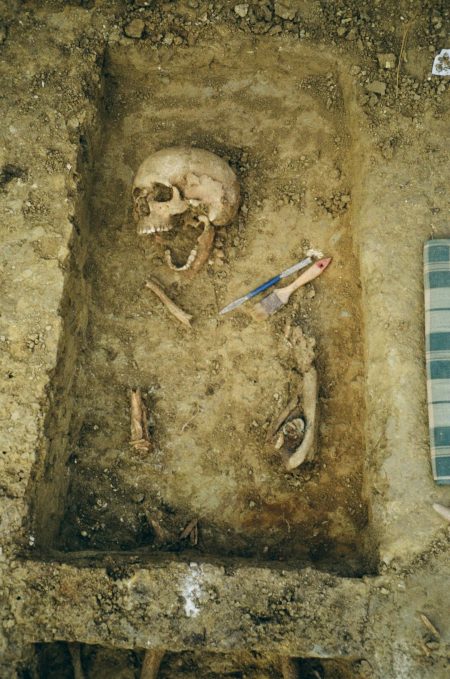
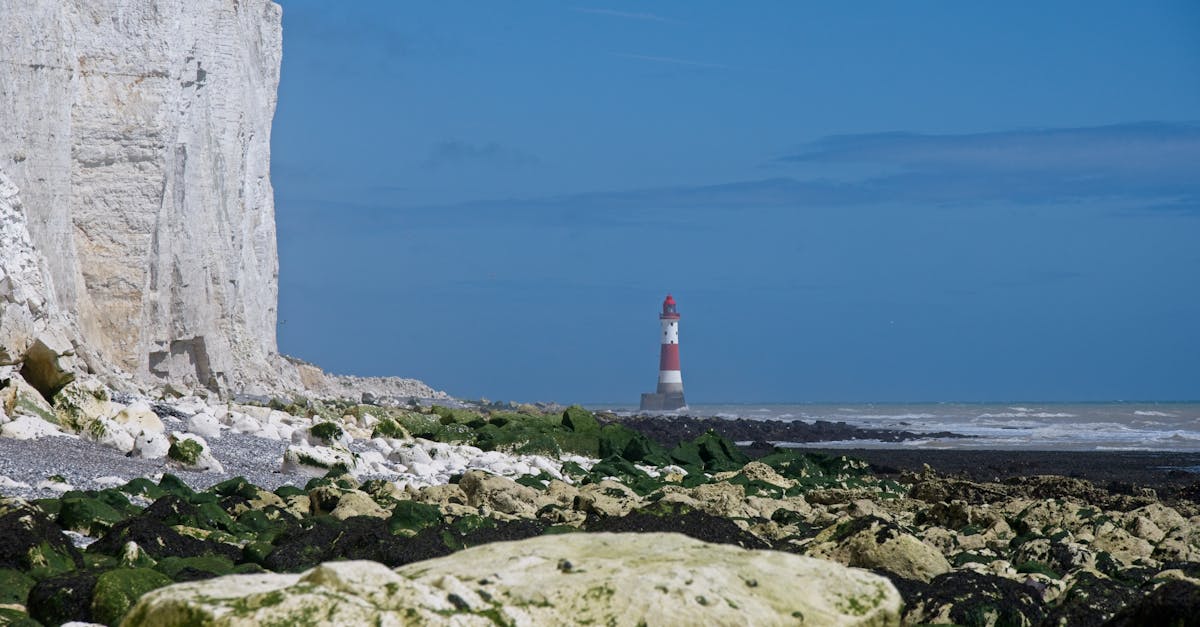
Discovered in the 1950s near the Beachy Head headland and rediscovered in 2012 during the Eastbourne Ancestors Project, the young woman’s skeleton has been a focal point for researchers. Her story highlights the intricate connections between archaeology, genetics, and our understanding of historical populations.
The evolving mystery of her origins
Early studies ignited global interest by suggesting the Beachy Head Woman possessed recent sub-Saharan African ancestry, presenting rare evidence of African presence in Roman Britain. Subsequent, unpublished research, however, proposed a Mediterranean origin, possibly Cyprus. These earlier conclusions were often hampered by poorly preserved DNA, leaving significant uncertainty about her true background.
The debate surrounding her heritage highlighted the limitations of previous analytical methods and the need for more robust data. For years, the lack of definitive genetic evidence meant her story remained largely speculative, despite the compelling archaeological context of Roman Britain, a melting pot of cultures.
High-resolution DNA reveals local roots
Researchers, including Dr. William Marsh and Dr. Selina Brace, an ancient DNA specialist and senior author of the study, returned to the skeleton with significantly improved analytical tools. Their state-of-the-art DNA sequencing techniques and access to newly published genomes allowed for unprecedented precision in determining her ancestry, with support from institutions like the Natural History Museum.
Dr. Marsh stated, “By using state-of-the-art DNA techniques and newly published genomes, we were able to determine the ancestry of the Beachy Head Woman with much greater precision than before.” He added, “We show she carries genetic ancestry that is most similar to other individuals from the local population of Roman-era Britain.”
This powerful new evidence firmly places the Beachy Head Woman within the local population of Roman Britain, a period marked by extensive networks of forts, roads, and towns. These facilitated movement across Europe, North Africa, and beyond, yet her genetic profile aligns with indigenous inhabitants.
Dr. Brace emphasized the continuous progression of science: “Our scientific knowledge and understanding is constantly evolving, and as scientists, it’s our job to keep pushing for answers.” This sentiment perfectly captures the journey of discovery for the Beachy Head Woman, whose story has been refined by technological advancement.
Radiocarbon dating indicates she died between 129 and 311 AD, consistent with the Roman period. Physical analysis reveals she was 18-25 years old at death, stood slightly over 1.5 meters tall, and had a healed leg injury, offering a glimpse into her daily life in a bustling Roman province.
The revised narrative of the Beachy Head Woman, now understood as a local of Roman Britain, enriches our historical tapestry by focusing on the local populations within a broader imperial context. This case serves as a powerful reminder that historical understanding is not static, but continually refined by new scientific tools and rigorous analysis. Future archaeological findings, coupled with even more advanced genetic sequencing, will undoubtedly continue to illuminate the complex and diverse lives of people in ancient times.