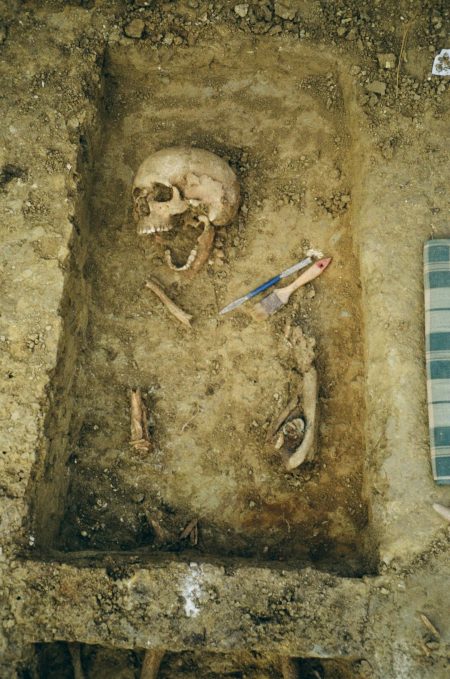
A groundbreaking discovery from 5,500-year-old human remains in Colombia has unearthed the oldest known genome of a bacterium linked to syphilis and similar diseases, profoundly reshaping our understanding of infectious pathogens in the ancient Americas. This significant ancient disease discovery, reported by ScienceDaily.com on January 26, 2026, reveals that these infections were evolving thousands of years before European contact.
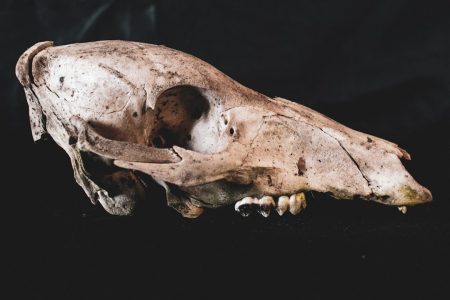
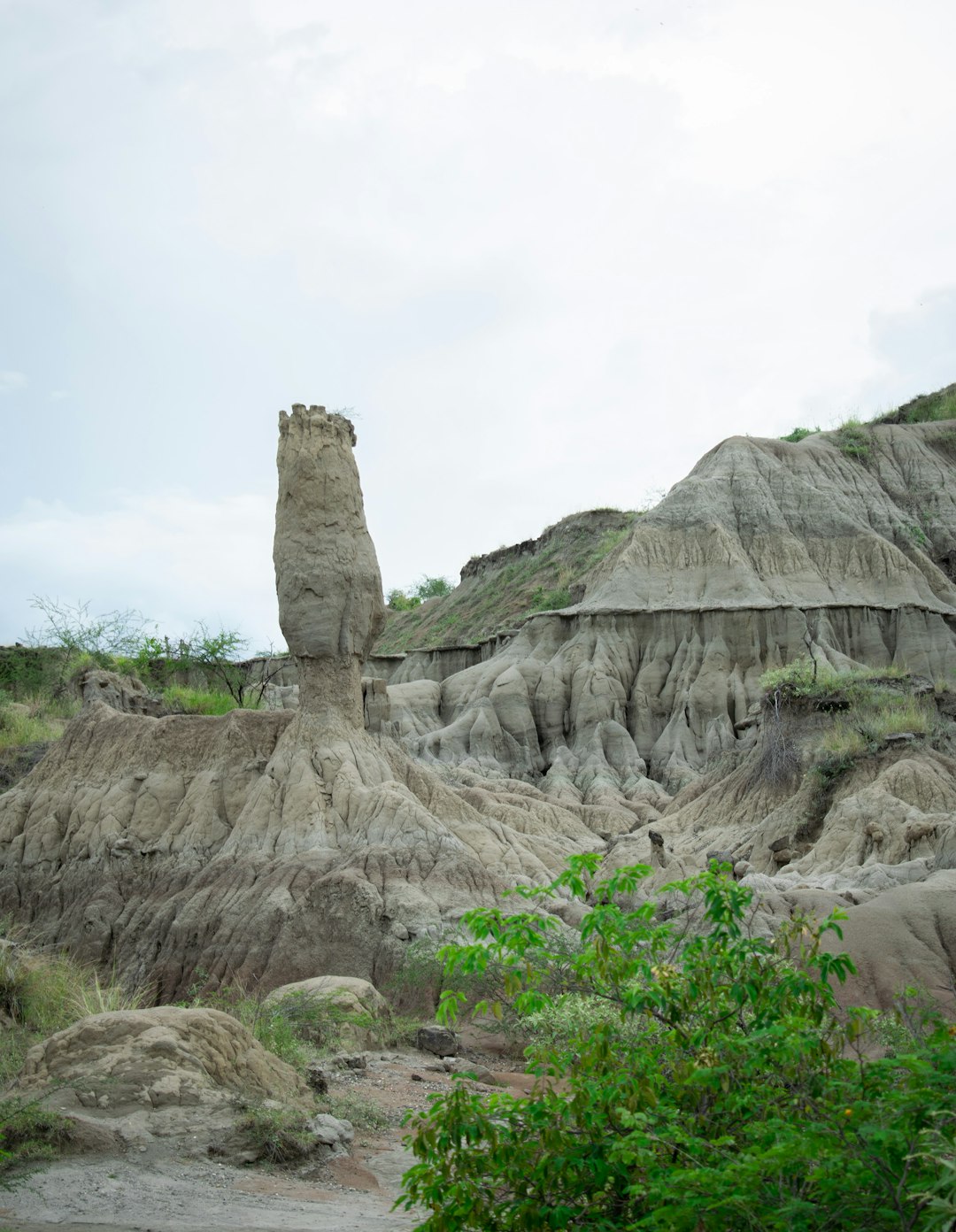
Scientists successfully reconstructed the genome of Treponema pallidum from a skeleton found in the Sabana de Bogotá region, near present-day Bogotá. This bacterium is notoriously responsible for modern-day syphilis, yaws, and bejel. The findings extend the known genetic history of this pathogen by over 3,000 years, offering a rare glimpse into a forgotten form that diverged early in the bacterium’s evolutionary journey.
The evidence strengthens the hypothesis that treponemal diseases circulated widely in the Americas far earlier than historical records suggested. This paleogenomic breakthrough not only provides crucial context for current health risks but also highlights the unique power of ancient DNA to illuminate the complex evolution of species and human-pathogen interactions across millennia.
Unraveling ancient disease evolution
Treponema pallidum is a spiral-shaped bacterium with several closely related subspecies, each causing distinct diseases. While syphilis, yaws, and bejel are well-known, a fourth, pinta, is caused by Treponema carateum or a related subspecies. The genetic similarities between these forms have long complicated efforts to trace their origins and evolutionary paths.
The ancient DNA recovered in this study confirmed its belonging to Treponema pallidum but did not align with any known modern disease-causing strains. This suggests a lost lineage, closely related to contemporary forms yet distinct, having split off very early in the bacterium’s history. Anna-Sapfo Malaspinas, a group leader at the SIB Swiss Institute of Bioinformatics and the University of Lausanne, suggests one possibility is that it represents an ancient form of the pathogen responsible for pinta, a skin-localized disease endemic in Central and South America.
Genetic analysis estimates this ancient strain diverged from other T. pallidum lineages approximately 13,700 years ago. In stark contrast, the three modern subspecies appear to have separated much later, around 6,000 years ago. This timeline supports earlier research and underscores the extensive diversity of treponemal pathogens in the distant past, long before written records.
A deeper look into the Americas’ health history
The implications of this study published in Science are profound for understanding human health and disease in the Americas. Elizabeth Nelson, a molecular anthropologist and paleopathologist at SMU, notes that while the discovery doesn’t definitively resolve the debate about the origin of specific disease syndromes, it undeniably demonstrates a long and diversifying evolutionary history of treponemal pathogens in the Americas, predating previous knowledge by thousands of years.
Lars Fehren-Schmitz, a geneticist at the University of California, Santa Cruz, emphasizes the unique potential of paleogenomics to contribute to our understanding of species evolution and potential health risks. This research pushes back the association of T. pallidum with humans by thousands of years, possibly even more than 10,000 years ago, into the Late Pleistocene. Researcher Davide Bozzi from the University of Lausanne and SIB Swiss Institute of Bioinformatics highlights that these findings lay a critical foundation for future investigations into the intricate relationship between humans and their microbial companions throughout history.
This remarkable ancient disease discovery offers a compelling narrative of disease evolution, revealing that the story of human interaction with pathogens is far older and more complex than previously imagined. It opens new avenues for exploring forgotten lineages and understanding the deep roots of infectious diseases that continue to impact global health today.