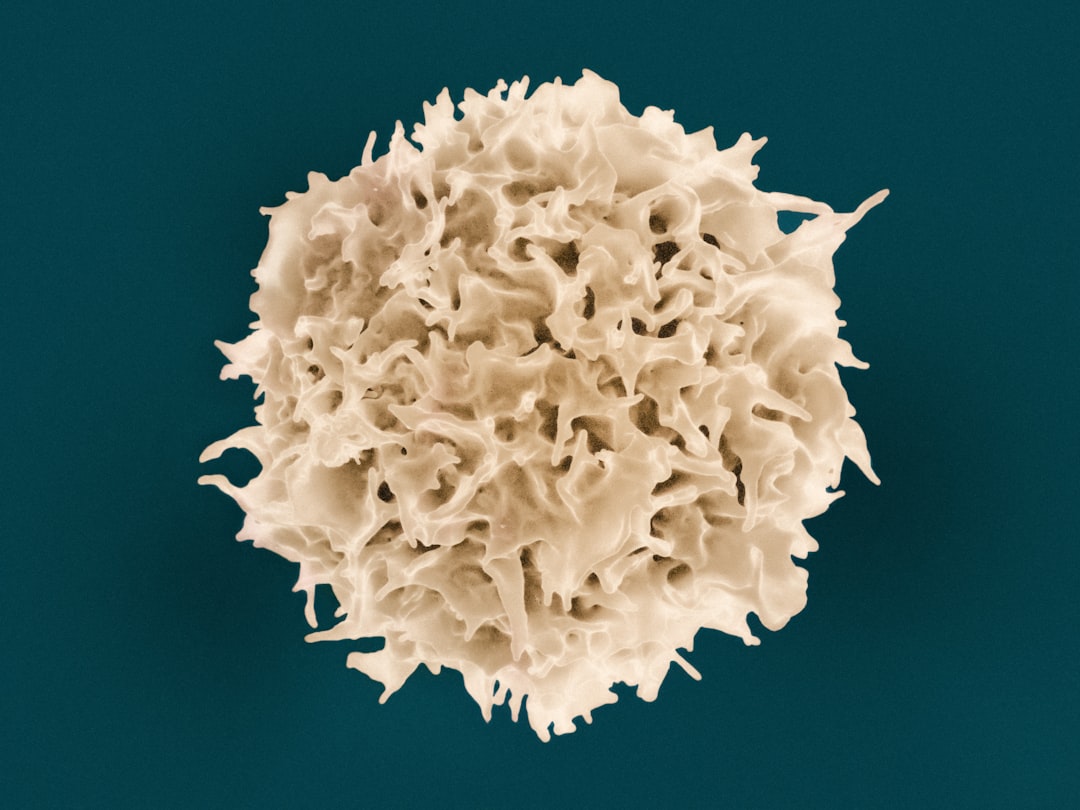
Scientists at Moffitt Cancer Center have unveiled a groundbreaking method that deciphers the hidden rules of cancer evolution, challenging the long-held belief that tumor progression is purely chaotic. This new approach, published in Nature Communications and highlighted by ScienceDaily on January 26, 2026, tracks chromosome changes in individual cells, offering unprecedented insight into how cancers adapt and resist treatment.
For decades, the complex and rapid changes within tumors made their evolution seem random, a chaotic scramble for survival. However, this new research provides a framework to understand and, crucially, anticipate these changes. It marks a pivotal shift in oncology, moving from reactive treatments to proactive strategies.
The study focuses on aneuploidy, the gain or loss of entire chromosomes, which are massive genetic shifts that can quickly reshape tumor characteristics. Understanding these shifts is critical because they dictate how cancer cells grow, adapt to stress, and ultimately develop resistance to therapies.
Unraveling cancer’s evolutionary playbook
The core of this breakthrough is a computational tool named ALFA-K. Developed by researchers at the H. Lee Moffitt Cancer Center & Research Institute, ALFA-K analyzes longitudinal, single-cell data to map how cancer cells navigate different chromosome combinations over time. This unique capability allows scientists to reconstruct “fitness landscapes,” revealing which genetic configurations offer an evolutionary advantage.
Dr. Noemi Andor, a corresponding author and associate member in Moffitt’s Integrated Mathematical Oncology Program, explained the problem ALFA-K addresses. “Researchers had no reliable way to determine which chromosome combinations help cancer cells survive,” she noted. “The number of possible chromosome states is enormous, and most existing approaches could only capture snapshots in time or average behavior.”
ALFA-K overcomes these limitations by tracking thousands of individual cells, reconstructing their pathways through various chromosome states. This detailed tracking reveals that cancer evolution follows measurable patterns, influenced by chromosome makeup, evolutionary pressures, and treatment-related stress, rather than sheer chance.
Predicting tumor adaptation and resistance
Chromosome changes are paramount because they alter the dosage of hundreds or thousands of genes simultaneously, enabling cancer cells to make large evolutionary jumps. As published in Nature Communications, the tool highlights how the effects of these changes are context-dependent; a chromosome gain beneficial in one setting might be detrimental in another.
This context dependence is why predicting cancer evolution has been so challenging. ALFA-K’s ability to map these local fitness landscapes provides a novel understanding of how advantageous or harmful a specific chromosome change is, given a cell’s current genetic configuration. It also shows that the rate of chromosome errors, often exacerbated by treatments like chemotherapy, significantly influences a tumor’s evolutionary trajectory.
The implications of this research are profound. By cracking the hidden rules of cancer evolution, scientists can now anticipate how tumors will change, rather than merely reacting after resistance emerges. This knowledge paves the way for a new generation of evolution-aware cancer treatments, designed to target the very mechanisms that allow tumors to adapt and survive, ultimately offering more effective and personalized therapies for patients.