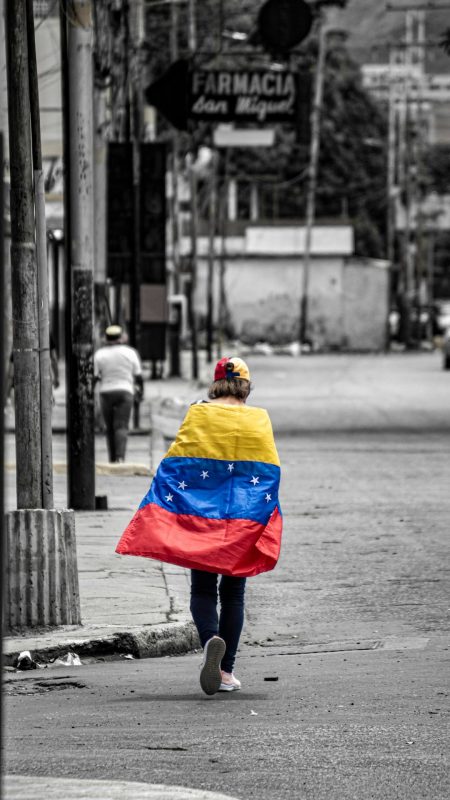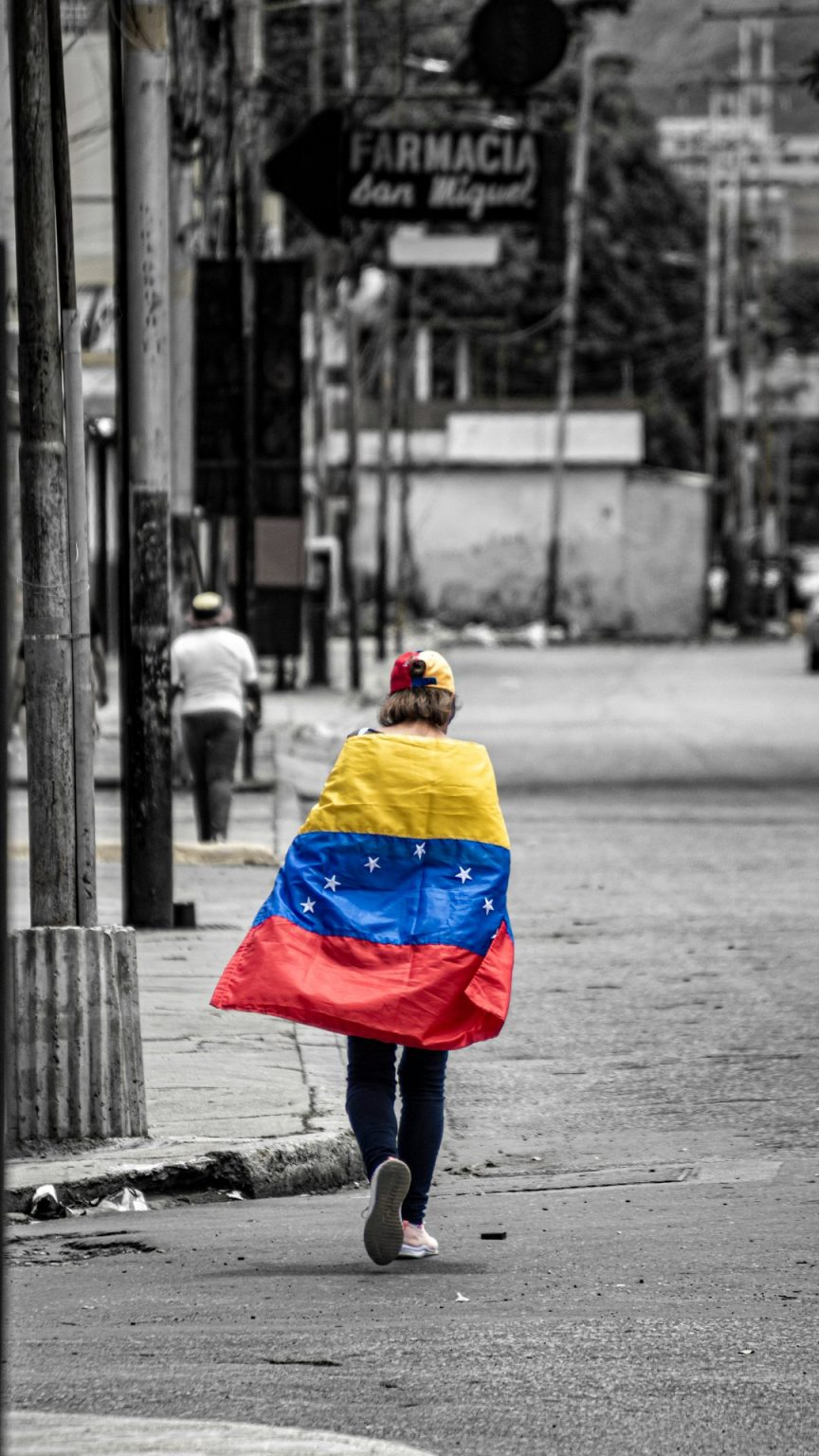
The recent United States intervention in Venezuela has ignited a profound debate among international relations experts, probing not just its legality but also its profound implications for the future of the liberal international order that the US has long upheld. This action suggests a potential shift towards more frequent discretionary interventions, making the sustainability of global norms increasingly uncertain.
For decades, the international system has relied on a framework of established laws and norms, guiding state behavior and providing a semblance of predictability. Venezuela’s situation, marked by political instability and economic turmoil, became a flashpoint where these principles were severely tested, drawing global attention to the limits of non-interference.
While some argue that the core pillars of this order remain intact, the actions taken in Venezuela, as highlighted in a recent analysis by Carla Norrlöf for Project Syndicate, suggest a more challenging path ahead. The question is not if the order will suddenly collapse, but rather if it will endure in its current form.
The erosion of international norms
The immediate aftermath of the intervention sparked widespread concern regarding the erosion of international norms, particularly the principle of state sovereignty and non-interference in internal affairs, cornerstones of the post-World War II global architecture. Critics argue that bypassing multilateral frameworks, such as the United Nations Charter, undermines the very institutions designed to prevent unilateral action and maintain global stability.
This precedent, some analysts fear, could embolden other powerful nations to pursue their interests through similar means, leading to a more fragmented and unpredictable international landscape. The implications extend beyond Venezuela, potentially influencing how future crises are managed from Ukraine to Taiwan.
Dr. Elena Petrova, a professor of international law at the University of Geneva, noted in a recent seminar: ‘When major powers selectively apply or disregard international law, they inadvertently invite others to do the same, creating a dangerous tit-for-tat dynamic that destabilizes global security.’
The rising costs of discretionary interventions
Sustaining the liberal international order, as Norrlöf points out, will become significantly costlier and more arduous. Each discretionary action by a dominant power, while perhaps justified by immediate strategic concerns, can incur substantial long-term diplomatic and economic costs.
These costs manifest in strained alliances, reduced international cooperation on critical issues like climate change and pandemics, and increased skepticism from developing nations about the impartiality of global governance. A 2023 report by the Council on Foreign Relations detailed how perceived unilateralism often leads to a decline in soft power and influence.
Moreover, such interventions create an ambiguity regarding future thresholds for action. Without clear, universally accepted red lines, the international community operates in a grey area, where the criteria for intervention can appear arbitrary or politically motivated, further eroding trust and legitimacy.
The Venezuelan episode serves as a stark reminder that the international order is not static; it is a dynamic construct constantly reshaped by state actions and reactions. While a complete collapse seems unlikely given the absence of viable alternatives, the path ahead suggests a more complex and potentially more perilous global environment.
Navigating this new reality will demand a renewed commitment to multilateralism, transparent dialogue, and a consistent application of international law, lest the world drift towards a ‘no-rules’ paradigm where power, not principle, dictates global affairs.