The highly anticipated golden T1 smartphone from Trump Mobile, initially promised by the Trump Organization for release last year, remains conspicuously absent from the market, despite ongoing $100 deposit collections. This significant delay of Trump Mobile’s golden phone highlights persistent challenges in its production and a gradually shifting narrative around its “Made in America” claims, leaving early customers in limbo.
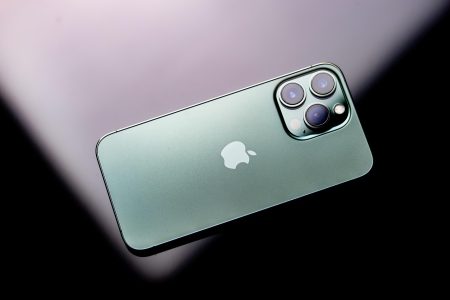
Launched in June 2025, the Trump Organization’s mobile service was slated to introduce the T1 phone, a distinctive gold-bathed device priced at an attractive $500. This offering was positioned as a competitive alternative to premium smartphones from established brands like Apple, which often retail for $800 to $1,200. Initially, Trump Mobile boasted the T1 would be “proudly designed and built in the United States” for an August or September 2025 release.
However, as the technology industry recently showcased a plethora of new gadgets at CES in Las Vegas, the T1’s absence was notably felt. The ambitious goal of U.S. manufacturing and the specific shipping dates have since become increasingly vague, raising questions about the feasibility of producing such a device domestically at the promised price point, mirroring broader industry hurdles in establishing a robust local smartphone supply chain.
The shifting narrative of “Made in America”
Initially, Trump Mobile championed the T1 as a device “proudly designed and built in the United States,” a strong commitment to domestic manufacturing that was a key selling point. This assertion aimed to resonate with consumers prioritizing products with American origins. However, this claim gradually evolved, as reported by www.fastcompany.com, to describe the phone first as “proudly American” and now merely featuring an “American-proud” design on its website, with no further detailed explanation.
Industry analysts suggest this change likely stems from the stark reality that the U.S. currently lacks the comprehensive supply chain, specialized components, and logistical infrastructure required to mass-produce a sophisticated smartphone for less than $1,000. These are the same formidable obstacles that prevented Apple from fulfilling former President Trump’s earlier calls to relocate iPhone manufacturing from China and India, underscoring a persistent challenge for any company aiming for significant domestic tech production in this sector.
Persistent delays and deposit dilemmas
Beyond the manufacturing narrative, the release schedule for the T1 has also faced considerable uncertainty, leaving many early adopters awaiting their devices. What was once a firm August or September 2025 target shifted to a more general “by the end of 2025” for customers who had placed their $100 deposits. Currently, the Trump Mobile website continues to list the T1’s targeted release date merely as “later this year,” offering little concrete clarity to eager consumers.
The continued acceptance of deposits for a product with such an ambiguous delivery timeline raises significant concerns about consumer trust and transparency. Customers who committed early with their $100 payments are left waiting for a device that seems increasingly distant from its initial promises, a situation that could erode confidence in the brand’s ability to deliver on its commitments and manage expectations effectively.
The ongoing delay of Trump Mobile’s golden phone serves as a potent reminder of the inherent complexities in consumer electronics manufacturing and the delicate balance between ambitious promises and market realities. While the allure of a “proudly American” device remains a compelling vision, the persistent challenges in production, coupled with an evolving timeline and ambiguous manufacturing claims, underscore the difficulties in establishing new tech ventures. The future of the T1, and the satisfaction of its early adopters, now hinges on transparent communication and concrete updates that address these persistent questions from a waiting public.