The burgeoning excitement around artificial intelligence is paradoxically casting a long shadow over the consumer electronics sector, creating a complex AI consumer electronics problem. This intense demand for AI-capable hardware, from smartphones to smart home devices, is straining supply chains and altering product development cycles. The implications range from escalating costs to an accelerating pace of device obsolescence.
The race to embed sophisticated AI capabilities, particularly on-device or “edge AI,” has triggered an unprecedented scramble for advanced semiconductors. Companies are pouring billions into research and development, aiming to deliver faster, more efficient AI processing directly to users’ hands. This technological arms race promises innovation but also brings logistical and economic hurdles.
Industry analysts point to a significant shift in manufacturing priorities, favoring high-margin AI components. This focus can inadvertently sideline other electronics market segments, potentially leading to bottlenecks for essential components. The rapid evolution of AI models means today’s cutting-edge chip could be outdated in mere months, posing a serious challenge for long-term product planning.
Demand for advanced chips and supply chain strains
The relentless pursuit of on-device AI capabilities has ignited an insatiable demand for high-performance processors, particularly those optimized for neural network operations. This surge is largely driven by tech giants vying to integrate features like real-time language processing and advanced image recognition into consumer gadgets.
According to Statista, the global semiconductor market is projected to continue its robust growth, fueled significantly by AI applications. This underscores the intense pressure on chip manufacturers to meet the burgeoning needs of the AI era, impacting availability across the board.
This escalating demand exacerbates existing vulnerabilities in the global supply chain, leading to potential chip shortages and increased manufacturing costs. Smaller manufacturers, unable to compete with the purchasing power of tech behemoths, might find it increasingly difficult to secure essential components.
An article from The Economist highlighted this very issue in early 2026, pointing out how the AI frenzy strains resources and creates an uneven playing field. This creates significant ripple effects throughout the entire consumer electronics ecosystem.
Moreover, the specialized nature of AI chips often requires unique fabrication processes, adding another layer of complexity and potential delay. Experts like Dr. Anya Sharma, a principal analyst at TechInsights, note that “the foundry capacity for leading-edge AI silicon is finite.”
She adds that “this creates a bottleneck that influences everything from product launch schedules to retail pricing.” This directly translates to higher costs for consumers and longer waits for new devices, impacting market accessibility.
Accelerated obsolescence and consumer dilemma
As AI models become more sophisticated at an exponential rate, the lifespan of consumer electronics designed to run these applications is shrinking dramatically. Devices purchased today, boasting “AI capabilities,” might struggle to handle the next generation of AI features within a year or two.
This accelerated obsolescence presents a significant AI consumer electronics problem for consumers. They face the dilemma of constantly upgrading or settling for outdated performance, impacting both their wallets and user experience.
The pressure on manufacturers to integrate the latest AI advancements means product cycles are becoming shorter. This pushes consumers into a perpetual upgrade cycle that is both financially and environmentally unsustainable.
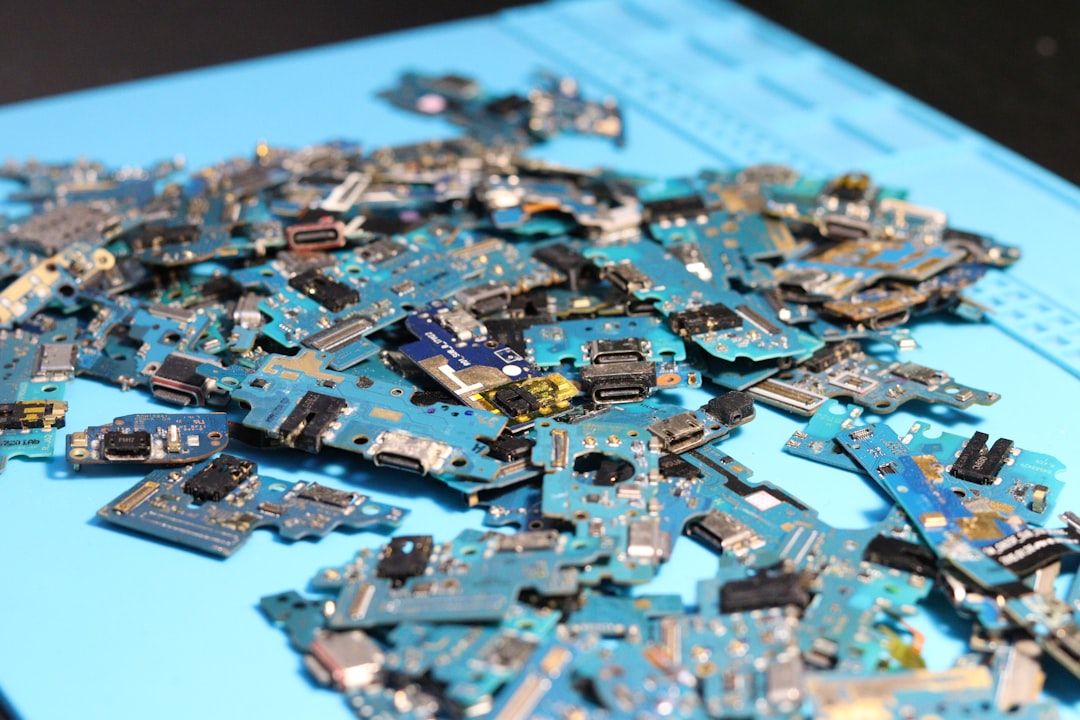
A study published by the U.S. Environmental Protection Agency (EPA) frequently discusses the increasing volume of electronic waste. This problem is likely compounded by faster device turnover, raising critical questions about sustainability and responsible consumption in the age of AI.
Furthermore, the marketing of “AI features” can sometimes be nebulous, making it difficult for consumers to discern genuine innovation from superficial enhancements. This creates confusion and can erode trust.
Consumers are left wondering if the premium price tag for an “AI-powered” device truly justifies its short functional lifespan. Often, they question if they are simply buying into the hype without tangible long-term benefits, impacting satisfaction.
The AI frenzy, while propelling technological frontiers, undeniably presents a formidable challenge for the consumer electronics industry. Addressing the AI consumer electronics problem requires a concerted effort from manufacturers to prioritize sustainable innovation and develop more modular, upgradeable hardware.
For consumers, a critical eye and informed decision-making will be paramount in navigating this rapidly evolving landscape. This ensures that the promise of AI enhances, rather than complicates, their digital lives, fostering a more sustainable future.