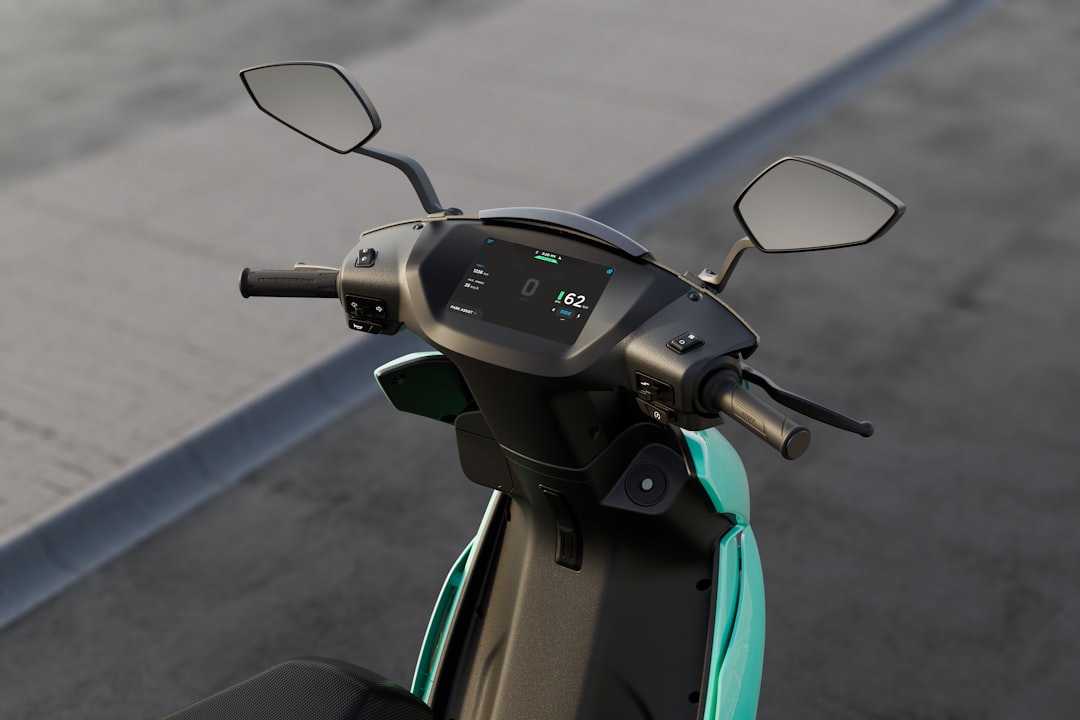
A significant breakthrough in electric vehicle technology has emerged from Finland, where a startup, Donut Lab, claims to have developed a solid-state battery capable of recharging an electric motorcycle in a mere 10 minutes. This innovation, already integrated into a production vehicle by Verge Motorcycles, could redefine expectations for fast charging electric motorcycle battery performance and broader EV adoption.
For years, the promise of solid-state batteries has been a cornerstone of future EV development, yet commercial applications remained elusive, confined mostly to laboratories. Donut Lab’s achievement, as reported by Fast Company in January 2026, marks a pivotal moment, moving this advanced technology from concept to consumer reality. This rapid charging capability addresses one of the primary hurdles to widespread electric vehicle acceptance, a topic often discussed in reports like the IEA’s Global EV Outlook.
The implications extend beyond just convenience. The ability to add 186 miles of range in roughly 10 minutes transforms the user experience, making electric motorcycle charging comparable to refueling a gasoline-powered bike. This shift could significantly accelerate the transition away from fossil fuels, offering a practical solution for riders concerned about range anxiety and lengthy charging stops, a critical factor for market growth.
Solid-state battery technology: A game changer
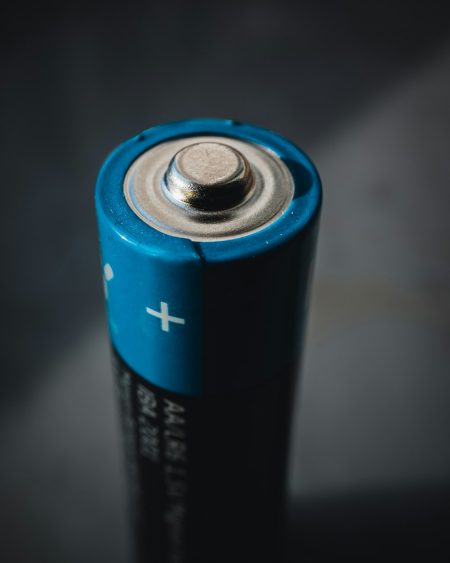
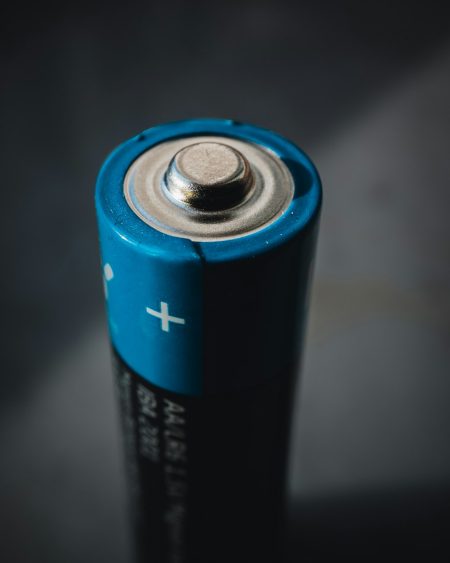
Solid-state batteries fundamentally differ from traditional lithium-ion counterparts by using a solid electrolyte instead of a liquid or gel. This design offers several compelling advantages. According to Marko Lehtimäki, CEO of Donut Lab, these batteries are inherently safer, eliminating the fire risks associated with liquid electrolytes. They also boast superior efficiency and a much faster charging rate, as demonstrated by the Verge motorcycle’s ability to achieve substantial range in minutes, echoing findings in a study published in Nature Energy on solid-state advancements.
Beyond speed and safety, solid-state technology promises enhanced longevity and sustainability. Lehtimäki emphasizes that Donut Lab’s battery exhibits “zero degradation over time,” potentially lasting for “multiple lifetimes of a car or motorcycle.” This characteristic could dramatically alter the resale value of EVs, as the battery, often the most expensive component, would retain its performance. Furthermore, the battery is reportedly constructed from low-cost, globally abundant materials, reducing reliance on scarce resources and potentially lowering overall production costs for electric vehicles.
While the specific chemistry and production methodology remain proprietary, currently undergoing patenting, Donut Lab attributes its success to its agile startup structure. This flexibility allowed them to outmaneuver larger corporations in bringing solid-state technology to a production vehicle. The company is actively engaging with approximately 100 other electric vehicle manufacturers interested in integrating this groundbreaking battery into their future models, signaling a potential widespread adoption across the industry, a trend that could be transformative for the global automotive market.
Overcoming EV adoption hurdles
The rapid charging capabilities and extended lifespan of Donut Lab’s solid-state battery directly tackle two major barriers to electric vehicle adoption: charging time and battery degradation. Long charging durations have historically deterred potential buyers, especially those accustomed to quick fill-ups at gas stations. Reducing charge times to mere minutes makes EVs a far more practical option for daily commuting and longer trips.
Moreover, concerns about battery health and longevity have often plagued the resale market for used EVs. A battery that maintains its performance for the entire life of the vehicle mitigates this issue, making electric motorcycles and cars more attractive investments. This innovation could lead to a significant boost in consumer confidence and market growth for the entire electric vehicle sector, fostering a more sustainable transportation future.
The introduction of Donut Lab’s solid-state battery into a consumer product marks a significant milestone for the electric vehicle industry. As this technology scales and becomes more broadly available, it holds the potential to accelerate the global shift towards electric mobility, offering a cleaner, safer, and more convenient alternative to traditional internal combustion engines. The next few years will reveal the full impact of this Finnish innovation on the future of transportation.