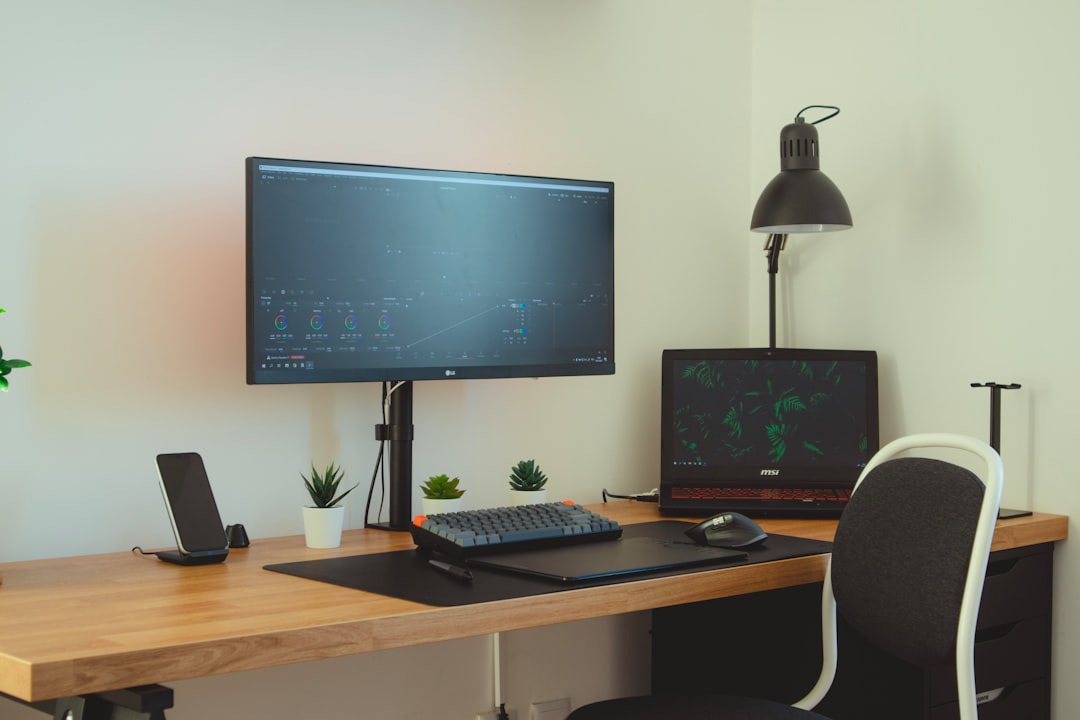
The landscape of work is shifting, with a growing number of professionals embracing home offices, often driven by recent economic shifts and entrepreneurial ventures. For these remote workers, the Consumer Electronics Show (CES) 2026 in Las Vegas showcased innovative solutions far beyond basic setups, promising to redefine productivity and comfort. Attendees witnessed a curated selection of CES home office tools 2026 aimed at transforming domestic workspaces.
Remote work, while offering flexibility, often presents unique challenges, from maintaining ergonomic health to ensuring uninterrupted power and secure data management. Traditional home setups frequently fall short, leading to discomfort or workflow interruptions. The latest innovations unveiled at CES 2026 directly target these pain points, offering sophisticated upgrades that enhance both efficiency and well-being for the modern professional.
As companies continue to navigate hybrid models and individuals increasingly build independent careers, the demand for robust, reliable, and comfortable home office environments has surged. The technologies presented this year reflect a deep understanding of these evolving needs, moving beyond mere gadgets to offer integrated solutions for a truly professional remote setup.
Boosting productivity and ergonomic comfort
One of the most immediate needs for home office users is replicating a multi-monitor setup without sacrificing portability or space. The CES home office tools 2026 included solutions like the Xebec Tri Screen 3. This device easily clamps onto the back of a laptop, instantly expanding a single screen into three independent displays. It’s a game-changer for those accustomed to spreading out browser windows and spreadsheets, working seamlessly with both PCs and Macs, as reported by Fast Company on January 8, 2026.
Ergonomics remains paramount for long hours spent at a desk. The Libernovo Omni ergonomic chair stood out at CES 2026 with its upgraded features. Instead of traditional adjustments, the Omni utilizes a “bionic” backrest with 16 joints and eight panels, mimicking the human spine and adapting to user movement in real-time. This innovative design, also highlighted by Fast Company, promises to alleviate back pain and improve focus, an essential consideration given that proper posture is critical for preventing musculoskeletal disorders, according to OSHA guidelines.
Ensuring power reliability and data security
Uninterrupted power is a growing concern for remote workers, especially with increasing climate-related outages across various regions. The Jackery Explorer 1500 Ultra was presented as a robust portable power solution, capable of keeping essential devices running during blackouts. Jackery also unveiled a solar-powered gazebo, generating up to 10 kilowatt-hours per day, offering an intriguing option for outdoor work or enhanced energy independence, as noted by Fast Company. Reliable power infrastructure is increasingly vital for modern workforces, a trend underscored by data from the U.S. Energy Information Administration.
Data security and accessibility are another cornerstone of an effective home office. Cloud storage offers convenience but can raise security concerns and dependency issues. Ugreen’s NAS (Network-Attached Storage) devices, particularly the NASync iDX Series, provide a secure, local backup solution. These devices offer increased speed and integrate local AI for parsing collected information, giving users greater control over their data. With prices starting at $999, they represent a significant investment in data sovereignty and efficiency, a key factor as remote work continues to evolve, as explored in various Gallup workplace reports.
The innovations showcased at CES 2026 underscore a definitive trend: the home office is evolving into a sophisticated, resilient, and highly personalized workspace. These tools, from multi-screen portability to advanced ergonomic seating, reliable power, and secure local data storage, offer tangible solutions for the challenges of remote work. They signal a future where the distinction between traditional and home-based professional environments continues to blur, driven by technology designed for peak performance and well-being.