Researchers at the Korea Advanced Institute of Science and Technology (KAIST) have developed a groundbreaking method to transform inactive immune cells within tumors into potent cancer-fighting agents using a direct injection.
This novel approach, detailed in a recent study, bypasses complex lab procedures by reprogramming the body’s own tumor-associated macrophages. It offers a new frontier in cancer immunotherapy against solid tumors, addressing a critical need in oncology.
Solid tumors, notorious for their dense structures, create an immunosuppressive environment that hinders conventional immune cell therapies. These physical and biological barriers prevent immune cells, like macrophages, from effectively infiltrating and attacking cancer cells, making treatment particularly challenging for gastric, lung, and liver cancers.
Current CAR-macrophage therapies, while promising, involve extracting a patient’s immune cells, modifying them in a lab, and then reinfusing them. This process is costly, time-consuming, and difficult to scale, limiting access for many patients seeking advanced cancer immunotherapy options. The KAIST team aimed to overcome these significant limitations.
Reprogramming immune cells directly inside the body
To bypass the challenges of ex vivo cell modification, Professor Ji-Ho Park’s team at KAIST focused on ‘tumor-associated macrophages’ that naturally gather around tumors.
They developed a method to reprogram these cells directly inside the body. Their approach utilizes specially engineered lipid nanoparticles, designed for easy uptake by macrophages, loaded with mRNA carrying cancer-recognition instructions and an immune-activating compound.
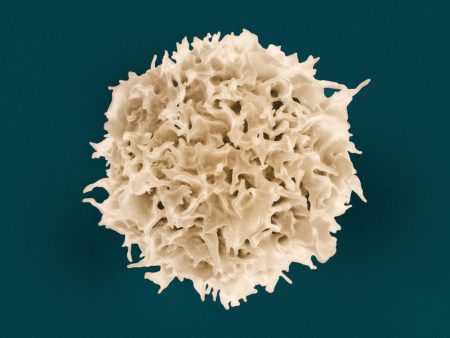
When this drug is injected directly into a tumor, macrophages absorb the nanoparticles and begin producing CAR (chimeric antigen receptor) proteins. This process converts them into potent anticancer immune cells, known as ‘CAR-macrophages,’ right where they are needed most.
According to a report by ScienceDaily on January 11, 2026, this method creates CAR-macrophages by “directly converting the body’s own macrophages into anticancer cell therapies inside the body.”
Significant tumor suppression and broader implications
The efficacy of this innovative cancer immunotherapy injection was rigorously tested in animal models.
When the treatment was injected into tumors, macrophages rapidly absorbed the nanoparticles, initiating the production of cancer-identifying proteins and simultaneously activating critical immune signaling pathways.
The resulting ‘enhanced CAR-macrophages’ demonstrated a much stronger ability to kill cancer cells and stimulated surrounding immune cells, leading to a powerful anticancer response.
In animal models of melanoma, one of the most aggressive forms of skin cancer, the research showed a significant reduction in tumor growth.
Furthermore, the researchers observed evidence that the immune response could extend beyond the treated tumor, suggesting the potential for broader, body-wide immune protection. These findings were published on November 18 in ACS Nano, an international journal focused on nanotechnology.
Professor Ji-Ho Park emphasized the significance of their work: “This study presents a new concept of immune cell therapy that generates anticancer immune cells directly inside the patient’s body.”
He added that it is particularly meaningful as it simultaneously overcomes key limitations of existing CAR-macrophage therapies, specifically delivery efficiency and the immunosuppressive tumor environment. This development paves the way for more accessible and effective treatments for various solid tumors, potentially transforming the landscape of cancer care.