
When people in the United States start using appetite-suppressing medications such as Ozempic and Wegovy, the effects go far beyond weight loss. New research from Cornell University shows these GLP-1 drugs are linked to noticeable drops in how much households spend on food, including groceries and meals eaten outside the home.
These medications, initially developed to treat diabetes, are now widely prescribed for weight loss, creating a ripple effect across consumer economics. The findings suggest a quiet but profound shift in American household budgets and dietary choices, impacting the entire food ecosystem.
A significant Cornell study, detailed in a report by ScienceDaily dated January 12, 2026, utilized actual purchase records from tens of thousands of US households. This approach offers one of the clearest real-world views yet of how GLP-1 drugs influence everyday food purchasing, moving beyond self-reported dietary habits.
Shifting consumer habits and industry ripples
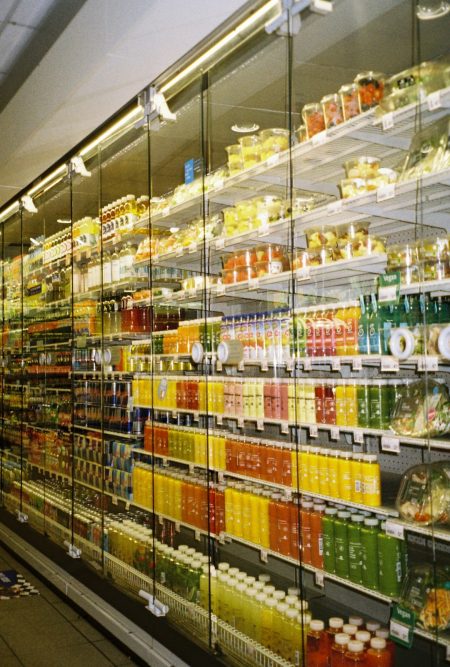
The research reveals a clear pattern: within six months of starting a GLP-1 medication, households cut grocery spending by an average of 5.3%. Spending at fast-food restaurants and coffee shops saw an even larger decline, falling by about 8%. The steepest reductions appeared in ultra-processed, high-calorie foods, with savory snacks, sweets, and baked goods experiencing significant drops. Cornell University assistant professor of marketing, Sylvia Hristakeva, notes that “the data show clear changes in food spending following adoption.”
While overall food purchases declined, a few categories showed modest increases. Yogurt spending rose the most, followed by fresh fruit, nutrition bars, and meat snacks. This shift towards potentially healthier options presents a challenge for food manufacturers and retailers, who may need to rethink product formulas, package sizes, and marketing strategies to adapt to evolving consumer demand.
Economic and public policy questions
The economic implications extend beyond individual households. If GLP-1 drug use continues its expansion, food companies, particularly those focused on snack foods and fast food, could face long-term changes in demand. The study, published in the Journal of Marketing Research, highlights how real purchase data offers a more robust picture than previous studies relying on self-reported consumption.
For policymakers and public health experts, these findings add a new dimension to ongoing discussions about influencing eating behavior. The biologically driven appetite changes induced by GLP-1 medications raise questions about their potential effectiveness in shaping diets, especially compared to traditional tools like food taxes and nutrition labels, which have often had limited impact.
The quiet revolution brought about by Ozempic and Wegovy is not just a story of personal health; it’s an economic narrative reshaping consumer budgets and challenging the established norms of the food industry. As more Americans adopt these medications, the ripple effects will continue to redefine how we eat and how businesses respond to evolving demand.