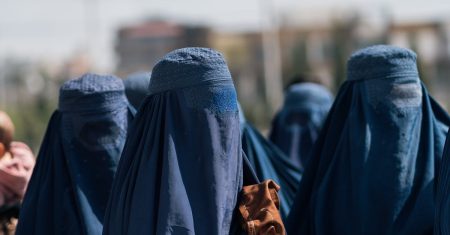
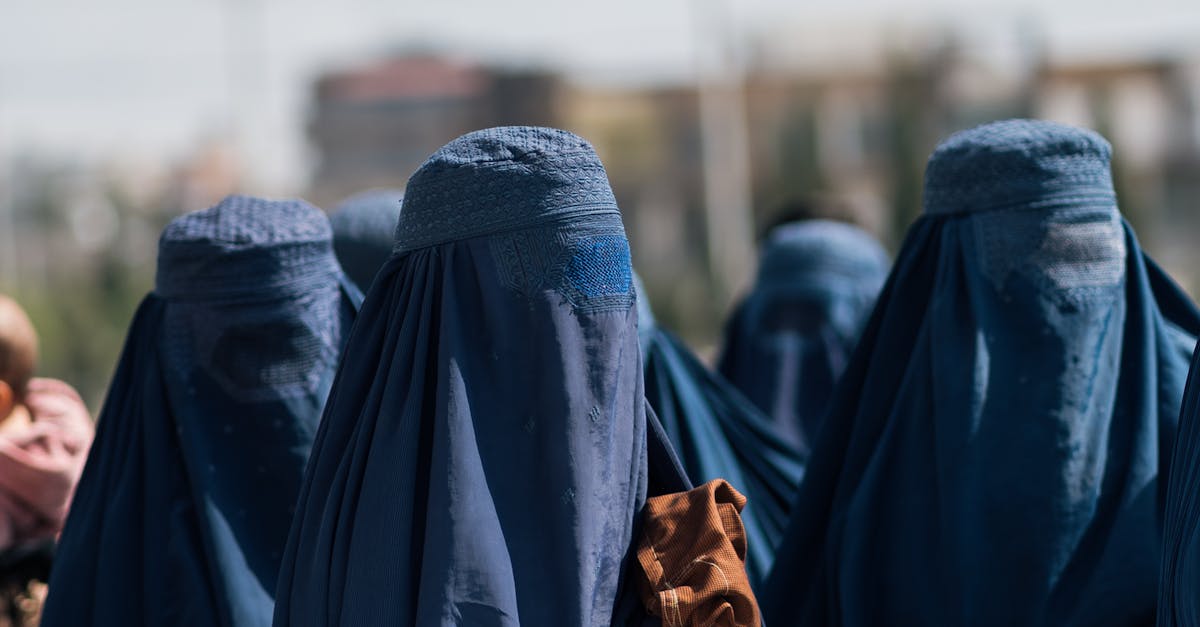
The international community faces renewed calls to intensify pressure on the Taliban regime in Afghanistan, which continues to enforce a systemic “gender apartheid” by denying women and girls fundamental human rights, including access to education. This critical situation underscores the urgent need for global accountability and sustained advocacy, as highlighted by recent analyses.
Since the Taliban’s return to power in August 2021, Afghanistan has witnessed a dramatic rollback of women’s and girls’ rights, effectively erasing them from public life. Millions of girls remain barred from secondary education, and women are restricted from work, public spaces, and even basic freedoms, creating a society where gender-based discrimination is institutionalized. This systematic oppression has drawn widespread condemnation, yet the international response remains complex and often insufficient.
The urgency of the situation is further emphasized by the fact that some nations have begun to normalize relations with the Taliban, even as their egregious human rights abuses persist. This normalization risks legitimizing a regime that openly practices what United Nations Special Rapporteur Richard Bennett has termed “gender apartheid,” a label that many human rights advocates believe accurately describes the Taliban’s policies.
Codifying gender apartheid as an international crime
The concept of gender apartheid, while not yet formally codified in international law, accurately describes the Taliban’s systematic discrimination. According to Gordon Brown in a Project Syndicate commentary, published on January 12, 2026, the denial of education alone affects 2.13 million primary-school-aged children and 2.2 million girls excluded from secondary education since the 2021 ban. Human rights organizations, including Amnesty International, have consistently documented these restrictions, which extend to movement, work, and political participation.
Efforts are underway to officially recognize gender apartheid as a crime under international law, a move that would provide a stronger legal framework for prosecution and accountability. Advocates argue that this designation is crucial for holding the Taliban responsible for their actions, moving beyond mere condemnation to enforceable legal consequences. The UN Human Rights Council has been urged to accelerate these efforts, recognizing the unique and severe nature of the Taliban’s policies against women.
Navigating international relations and humanitarian aid
The dilemma facing the international community involves balancing humanitarian imperatives with the need to exert political pressure. While aid agencies strive to alleviate the severe humanitarian crisis in Afghanistan, the Taliban’s restrictions often impede aid delivery and exacerbate suffering, particularly for women and children. This complicates efforts to engage with the de facto authorities without implicitly legitimizing their oppressive rule.
Many argue that a unified and robust international front is essential to challenge the Taliban’s policies. The United Nations, through its various bodies, including the UN Assistance Mission in Afghanistan (UNAMA), plays a critical role in monitoring human rights and advocating for change. However, as noted by Gordon Brown, the resumption of relations by some countries risks undermining these efforts, signaling a tacit acceptance of the Taliban’s gender-discriminatory regime. Sustained diplomatic isolation, targeted sanctions, and coordinated advocacy are vital to ensuring the Taliban faces genuine consequences for its actions.
The escalating crisis of gender apartheid in Afghanistan demands more than just rhetorical condemnation; it requires concrete, coordinated international action. The systematic subjugation of women and girls by the Taliban is a profound violation of human rights that cannot be ignored or normalized. Moving forward, the global community must maintain unwavering pressure, explore all avenues for accountability, and prioritize the restoration of fundamental rights for Afghan women and girls, ensuring their full participation in society is not just a hope, but a reality.