The Consumer Electronics Show (CES) 2026 in Las Vegas unveiled a palpable sense of optimism from Chinese technology companies, showcasing a significant shift in their global aspirations. With nearly a quarter of all exhibitors, Chinese firms demonstrated cutting-edge advancements in artificial intelligence and robotics, fundamentally altering long-held Western perceptions about their innovation capabilities.
This year’s CES marked a pivotal moment, with Chinese attendees and venture capitalists present in numbers not seen since before the pandemic, as noted by observers cited in Technology Review. This surge aligns with broader trends of significant investment in cutting-edge technologies across China, as detailed in recent analyses by Bloomberg, highlighting a national strategic focus on innovation.
Beyond the sheer volume, the quality and sophistication of the products challenged the outdated stereotype of ‘cheap and repetitive’ Chinese manufacturing. Instead, visitors encountered sleek, highly functional devices that hinted at a mature and rapidly evolving tech ecosystem. This evolution positions Chinese companies not merely as manufacturers, but as formidable innovators on the global stage, ready to redefine market leadership.
Manufacturing prowess meets consumer AI innovation
China’s inherent manufacturing advantage is proving to be a critical differentiator in the burgeoning market for AI consumer electronics. Ian Goh, an investor at 01.VC, highlighted this edge, suggesting Western companies often struggle to compete effectively in hardware, as reported by Technology Review. This allows Chinese firms to rapidly iterate and scale production of intelligent devices, from educational gadgets to emotional support toys.
The dominance extends to household electronics, where Chinese brands are quietly capturing significant market share. Examples include home cleaning robots, where two Chinese brands reportedly lead the US market, surpassing established players like Dyson and Shark. Furthermore, much of the suburban yard tech sold in the West originates from Shenzhen, illustrating a profound, often unacknowledged, global supply chain influence.
These products are no longer just functional; they integrate sophisticated AI to offer enhanced user experiences, making them virtually indistinguishable in quality and design from Western counterparts. This strategic focus on smart home technology and everyday AI applications underscores a pragmatic approach to market penetration, building a foundation for broader AI adoption.
Humanoid robots: the next frontier for physical AI
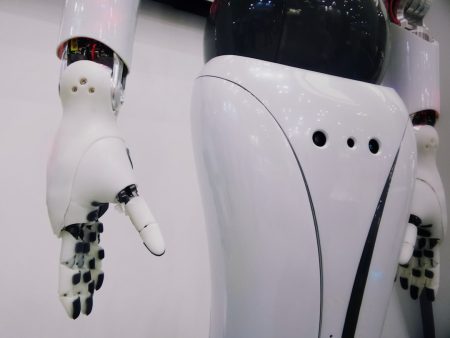
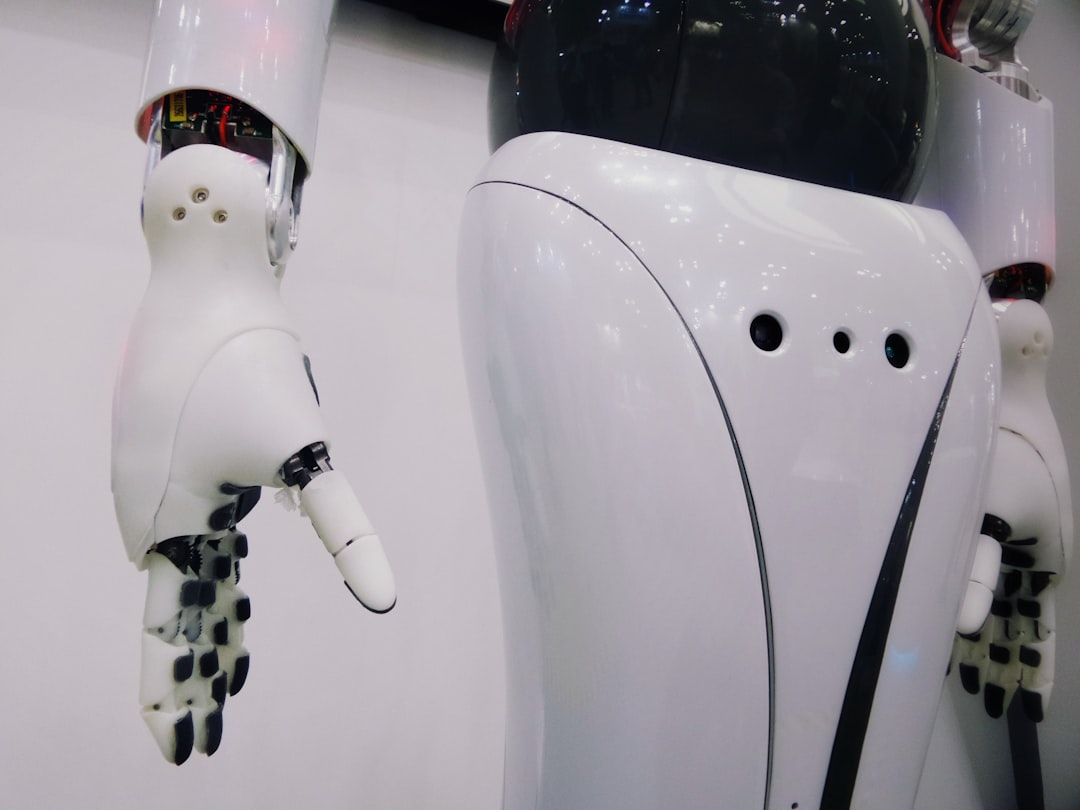
Perhaps the most captivating spectacle at CES 2026 involved humanoid robots, which drew massive crowds with their impressive displays of agility and dexterity. Chinese companies like Hangzhou-based Unitree demonstrated robots dancing, performing backflips, and even participating in boxing matches, showcasing remarkable stability and balance under duress. These demonstrations signaled a strong commitment to pushing the boundaries of physical AI.
While many of these robots, as observed, remain ‘one-trick ponies’ optimized for specific show floor tasks, their long-term potential is immense. They represent a crucial step in moving AI beyond text-based models into the physical world, creating applications that can interact with and learn from real-world environments. This transition is vital for developing advanced vision-language models.
The challenge for developing these sophisticated AI systems lies in the scarcity of physical-world data compared to text data. Humanoid robots are envisioned not just as applications, but also as mobile data-collection terminals, gathering crucial information to train future generations of AI. This strategic focus positions China at the forefront of a critical new phase in AI development, according to industry analyses like those found in Technology Review.
The overwhelming presence and innovative showcases by Chinese tech companies at CES 2026 confirm a growing confidence and strategic ambition. Their dual strength in advanced AI development and robust manufacturing capability positions them uniquely to lead in consumer electronics and the next generation of physical AI. This optimism is not unfounded; it’s built on tangible progress and a clear vision for global technological leadership, further underscored by reports from the International Federation of Robotics on Asia’s surging automation investments, signaling a dynamic shift in the global tech landscape for years to come.