
The global race for artificial intelligence dominance hinges on a new breed of infrastructure: hyperscale AI data centers. These colossal facilities, designed to train and operate large language models at unprecedented scales, are rapidly becoming the backbone of modern AI, as highlighted by a significant report from Technology Review on January 12, 2026.
These engineering marvels are more than just server farms; they function as giant supercomputers. They bundle hundreds of thousands of specialized graphics processing units (GPUs), such as Nvidia’s H100s, into synchronized clusters. This architecture allows for the parallel processing of massive datasets, essential for the intricate computations of advanced AI. Companies like OpenAI, Google, Amazon, Microsoft, and Meta are investing hundreds of billions of dollars, alongside substantial government spending, to build out this critical infrastructure.
Miles of fiber-optic cables connect these chips, forming a complex nervous system that enables lightning-speed communication, while enormous storage systems continuously feed data to the processors. This continuous operation, however, brings forth significant challenges, particularly concerning energy consumption and environmental impact, which are now central to the discussion around the future of AI infrastructure.
The unprecedented energy and cooling demands
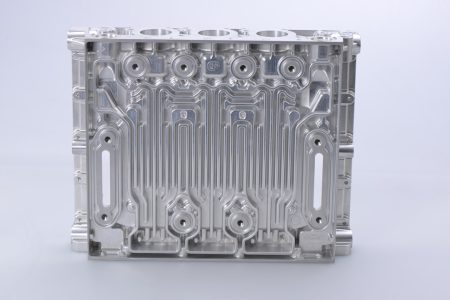
The sheer density of specialized chips within hyperscale AI data centers generates immense heat, pushing traditional air-conditioning systems beyond their limits. Cooling these facilities requires innovative approaches, with many systems now relying on cold water plates or even submersion in cooling fluids. Future solutions might involve dipping components directly into seawater, indicating the extreme measures necessary to maintain operational temperatures.
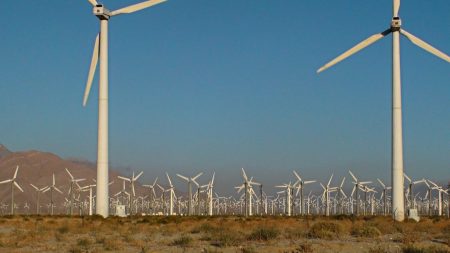
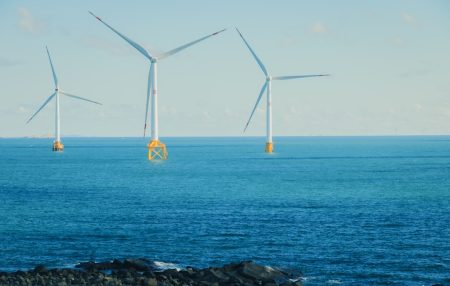
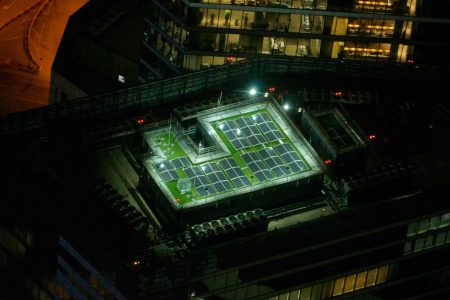
The energy footprint of these data centers is equally staggering. The largest facilities under construction can consume over a gigawatt of electricity, a capacity sufficient to power entire cities. This demand raises concerns, especially since over half of this electricity currently comes from fossil fuels. While renewables meet just over a quarter of the demand, some AI giants are exploring nuclear power, and Google has even envisioned solar-powered data centers in space, according to analyses of energy trends by institutions like the International Energy Agency.
The frenzied buildout of this infrastructure is driven by the scaling laws of AI and the exploding demand for AI integration across various applications, from consumer tech to enterprise solutions. However, the public may bear the costs, as communities hosting these power-hungry facilities face soaring energy bills, water shortages, noise pollution, and increased air pollution, issues highlighted in recent environmental impact reports.
Innovations driving efficiency and sustainability
Addressing these challenges necessitates continuous technological breakthroughs within hyperscale AI data centers. Innovations in chip design, such as further advancements beyond current GPUs, aim to increase computational power while reducing energy consumption per operation. These specialized chips are the core of AI processing, and their evolution is central to improving overall efficiency.
Advanced cooling technologies are also critical. Beyond current liquid cooling methods, research into two-phase immersion cooling and even more efficient heat recovery systems represents a significant area of development. These breakthroughs are crucial not only for operational stability but also for mitigating the environmental impact, as detailed by experts in materials science and engineering.
Furthermore, the integration of advanced power management systems and the exploration of new energy sources are paramount. Companies are actively pursuing strategies to connect data centers directly to renewable energy grids or even develop localized microgrids, potentially incorporating small modular reactors (SMRs) for a stable, low-carbon power supply. This holistic approach to energy sourcing and management is essential for the long-term viability of AI at scale, as discussed by industry leaders in industry sustainability reports.
The expansion of hyperscale AI data centers is an undeniable force shaping the future of technology. While the immediate focus remains on addressing the pressing challenges of energy consumption and environmental impact, the ongoing innovations in specialized hardware, advanced cooling, and sustainable energy solutions promise a more efficient and resilient AI infrastructure. The continuous pursuit of these breakthroughs will determine the accessibility and ethical footprint of artificial intelligence for years to come.