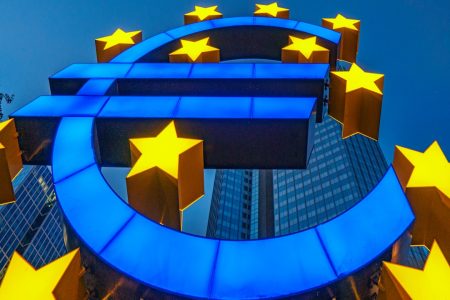
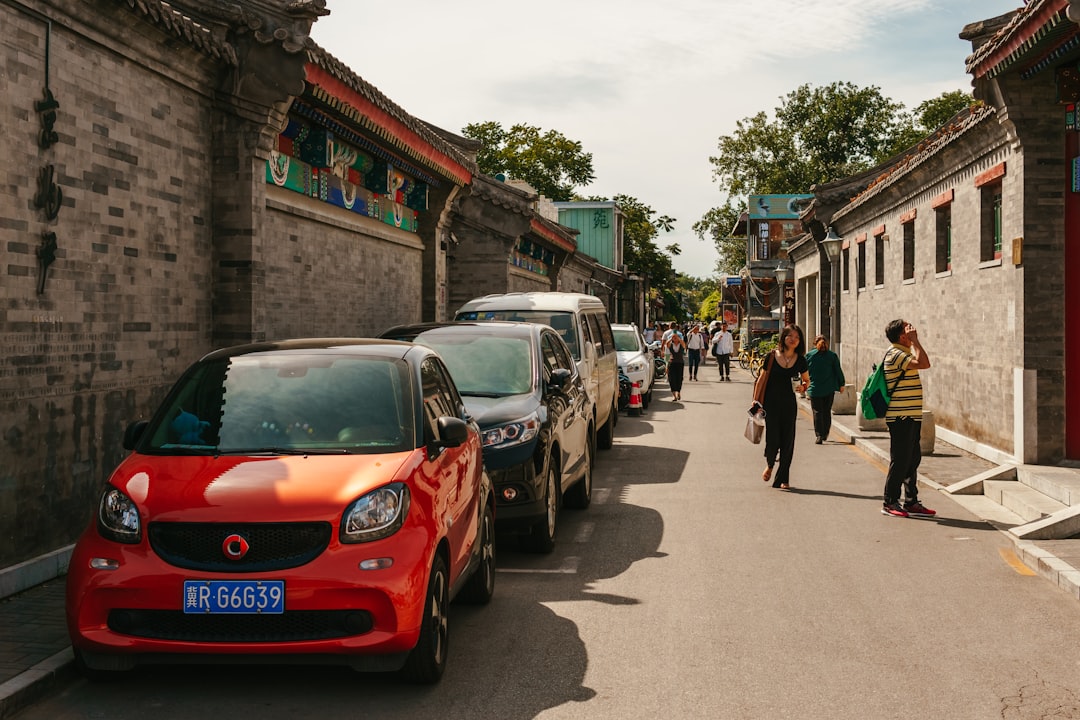
Brussels and Beijing have outlined steps towards resolving their contentious dispute over Chinese-made electric vehicle imports, with the European Union presenting a new guidance document for manufacturers. This framework, detailed on Monday, includes specific conditions such as minimum import prices and a review of investment plans, aiming to foster a “level playing field” in the European market.
The development follows an anti-subsidy investigation by the EU that led to tariffs of up to 35.3% on Chinese EV imports in 2024, significantly straining trade relations. These measures were implemented to counteract what the EU perceived as unfair advantages stemming from Chinese state subsidies, impacting European automakers’ competitiveness.
The new conditions represent a critical juncture in a trade standoff that has captivated global markets and policymakers. According to a report by Fast Company, the EU’s move seeks to establish a more equitable trading environment while keeping the European market open to international innovation.
Navigating the EU China EV trade dispute
The guidance document instructs Chinese EV manufacturers on how to structure price offers for battery electric vehicles. Crucially, it mandates that minimum import prices must be set at a level “appropriate to remove the injurious effects of the subsidization,” as stated by the European Commission. This directly addresses the core complaint regarding state aid distorting market dynamics.
Beyond pricing, the EU will also consider Chinese EV manufacturers’ plans for investments within the bloc. This condition signals a strategic intent to encourage local job creation and technology transfer, potentially mitigating some of the economic impact concerns raised by European industries. European Commission spokesperson Olof Gill emphasized that the market remains open, provided these conditions are met, allowing for a serious review of price undertakings. For more details on the EU’s trade policy, visit the European Commission’s official trade website.
The European Commission has committed to assessing each offer in an “objective and fair manner,” adhering to principles of non-discrimination and World Trade Organization (WTO) rules. This commitment is vital for maintaining international trade credibility and ensuring any resolution is seen as legitimate and not protectionist.
Implications for the global EV market
Beijing has responded positively to the EU’s initiative. China’s Commerce Ministry issued a statement affirming that this approach is “conducive not only to ensuring the healthy development of China-EU economic and trade relations, but also to safeguarding the rules-based international trade order.” This mutual desire for de-escalation suggests a path forward for one of the world’s most significant trade relationships.
The China Chamber of Commerce to the EU also welcomed the move, describing it as bringing about a “soft landing” in the EV standoff. This sentiment reflects a shared understanding that a prolonged trade war would be detrimental to both economies, especially within the rapidly evolving electric vehicle sector. The global automotive industry, already grappling with supply chain complexities and technological shifts, watches closely.
Experts suggest that this resolution could set a precedent for future trade disputes involving emerging technologies and state subsidies. The intricate balancing act between protecting domestic industries and fostering open trade is a challenge many nations face. For more context on international trade rules, the World Trade Organization website offers comprehensive resources on dispute settlement mechanisms.
While the immediate tensions surrounding Chinese EV imports appear to be easing, the long-term impact of these new conditions will unfold over time. The success of this framework hinges on transparent implementation and continued dialogue between the EU and China. This resolution could pave the way for a more stable and predictable environment for electric vehicle manufacturers and consumers alike, potentially influencing similar trade discussions globally.