
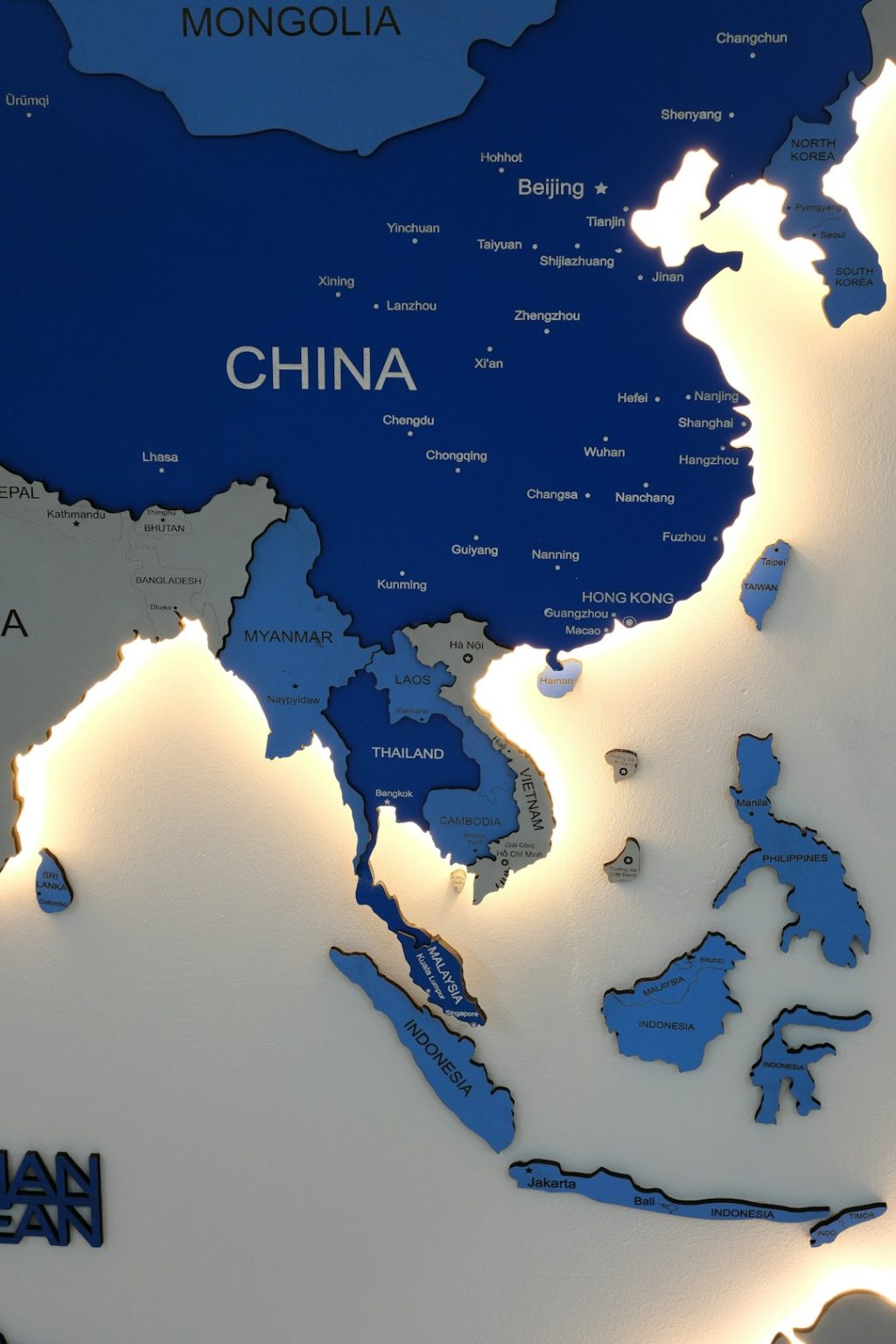
A new wave of Chinese companies is rapidly expanding across the globe, fundamentally reshaping international markets and challenging established players with innovative strategies and aggressive market penetration. This significant shift marks a departure from traditional manufacturing and a move towards brand building.
This generation of businesses, often digitally native and highly adaptable, is not merely exporting goods but establishing a deep international presence. They are investing in local operations, adapting products for diverse cultures, and leveraging advanced technology to gain market share, seeking direct consumer engagement.
Their ambition extends far beyond domestic borders, fueled by saturated local markets and a strategic push for global recognition. This phenomenon, as noted by observers like The Economist, signifies a maturing of China’s economic power, moving from factory floor to global marketplace innovation.
Innovation and direct engagement drive global growth
Unlike predecessors focused on low-cost production, many new Chinese entrants prioritize innovation and direct-to-consumer models. Companies like ByteDance, with its TikTok platform, have achieved unprecedented global reach, captivating billions of users outside China with its engaging content algorithms.
Similarly, e-commerce giants Shein and Temu (from PDD Holdings) have disrupted retail with ultra-fast fashion and hyper-competitive pricing, directly challenging Western incumbents. Their supply chain efficiency allows for rapid product cycles and competitive pricing, appealing to a vast global consumer base.
In the electric vehicle sector, brands like BYD are rapidly expanding their footprint in Europe, Southeast Asia, and Latin America, offering competitive alternatives to established automakers. Data from the International Energy Agency indicates China’s strong position in EV manufacturing.
This global push is further evidenced by significant investments in research and development, particularly in areas like AI, renewable energy, and advanced materials. Many firms are establishing R&D centers abroad, aiming to tap into local talent pools and foster collaborative innovation, as highlighted in a recent report by McKinsey & Company.
Navigating geopolitical currents and market challenges
The path to global dominance for these Chinese companies is not without obstacles. Geopolitical tensions, particularly with the United States and some European nations, present significant regulatory and market access hurdles, leading to increased scrutiny and protectionist measures.
Concerns over data privacy, intellectual property, and national security have led to bans or restrictions on certain companies and technologies in key markets. Navigating diverse regulatory landscapes requires sophisticated legal and political strategies, often involving extensive lobbying and localization efforts.
Furthermore, cultural adaptation remains a critical challenge. What succeeds in the Chinese market may not resonate elsewhere, requiring companies to invest heavily in understanding local consumer preferences and business practices, from product design to marketing campaigns.
Firms like Huawei, despite past controversies, have invested substantially in local partnerships and community engagement to build trust and market acceptance, a strategy detailed by the Council on Foreign Relations.
This focus on local integration is becoming a hallmark of successful global expansion strategies. Companies are increasingly hiring local talent for senior management roles and tailoring their marketing messages to specific regional nuances, demonstrating a strategic evolution in their international approach.
The global expansion of this new generation of Chinese companies is undeniable, marking a pivotal moment in international trade and innovation. Their strategic agility and commitment to localized growth suggest they will continue to redefine industries and competitive landscapes worldwide.
While geopolitical headwinds and market complexities persist, investors and policymakers alike must closely monitor these evolving dynamics to understand the future of global commerce. This sustained engagement will shape economic policies and competitive strategies for decades to come, demanding careful analysis.