Roblox is mandating facial age estimation for U.S. users to access chat features, a significant effort to enhance Roblox child safety. This new protocol, active since January 7, aims to prevent potentially harmful interactions between minors and adults on the popular gaming platform, mirroring a broader industry trend towards robust online protection.
The move comes as Roblox, a dominant force in online gaming, hosts nearly half of the entire U.S. population under 16. Safeguarding this young demographic has become a critical priority amidst escalating concerns over online grooming and inappropriate content. This latest update follows similar rollouts in the U.K., Australia, New Zealand, and the Netherlands, signaling a global commitment.
The company’s proactive stance reflects a growing imperative for digital platforms to assume greater responsibility for user protection, especially for children. It underscores the complex challenge of fostering engaging virtual environments while maintaining stringent safety protocols for its youngest participants.
The mechanics of age verification
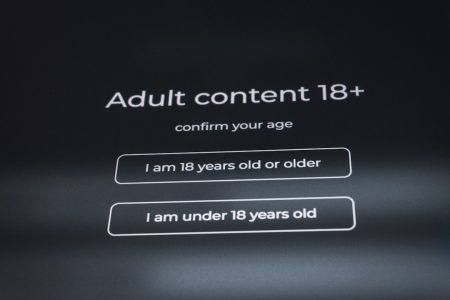
To implement the new safety feature, Roblox has partnered with Persona, a third-party vendor specializing in identity verification. U.S. players are now required to submit to facial age estimation via the app to use the chat function, although playing the games themselves remains accessible without this check.
Once processed, Roblox assures users that Persona deletes any images or videos submitted for verification. This commitment to data privacy is crucial for user trust. If the initial age estimation is incorrect, an appeal process allows for alternative verification methods, ensuring accuracy for all users.
Upon successful verification, users are assigned to one of six distinct age groups: under 9, 9-12, 13-15, 16-17, 18-20, and 21+. This granular classification dictates chat permissions, a core component of the new Roblox child safety framework. Users can only communicate with players in directly adjacent age groups.
For instance, a 9-year-old cannot chat with anyone older than 15, while a 16-year-old is restricted to communicating with those aged 13 to 20. This system is specifically designed to create protective barriers, preventing younger children from interacting with adults. Approximately 42% of Roblox’s user base is under 13, highlighting the scale of this safeguarding effort.
Users aged 13 or older also have the option for ID-based checks, offering an alternative verification pathway. This flexibility caters to different user preferences while maintaining the integrity of the age-gating system, as reported by Fast Company on January 12, 2026.
Broader implications for online gaming
Roblox’s enhanced age verification system sets a precedent for other online gaming platforms grappling with similar child protection challenges. The digital landscape demands continuous innovation in safety features, moving beyond basic parental controls to more sophisticated, mandatory safeguards.
Experts highlight the delicate balance between robust security and user experience. “Implementing mandatory age verification, while critical for protecting minors, must be done with transparency and respect for privacy,” notes Dr. Anya Sharma, a digital ethics researcher at the University of Oxford. Such measures are increasingly becoming standard across the industry, with organizations like Common Sense Media offering guidance to parents.
Regulatory bodies globally are also pushing for stricter age assurance. The UK’s Ofcom, for example, has been vocal about the need for platforms to protect children online. These external pressures, combined with internal commitments, drive companies like Roblox to adopt more comprehensive safety protocols.
However, challenges persist. The accuracy of facial age estimation technology, while advancing, is not infallible, as evidenced by the appeal process. Ensuring equitable access and avoiding potential biases in verification systems remain ongoing considerations for technology providers and platforms alike.
The effectiveness of these measures will ultimately depend on consistent enforcement and user adoption. While no system is entirely foolproof, Roblox’s latest initiative marks a significant stride toward creating a safer virtual environment for its millions of young users, setting a higher bar for digital responsibility.
As the digital world evolves, the responsibility for child safety extends beyond parental supervision to the platforms themselves. Roblox’s move signifies a proactive step in this direction, promising a more secure future for its youngest players and influencing industry standards for online interaction.