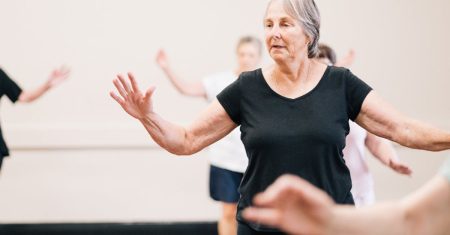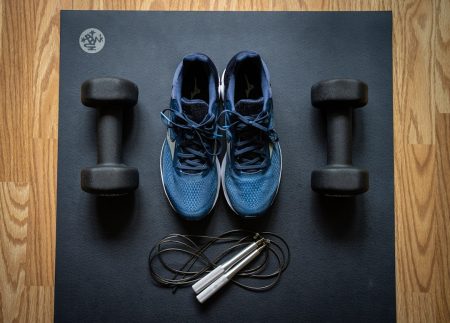
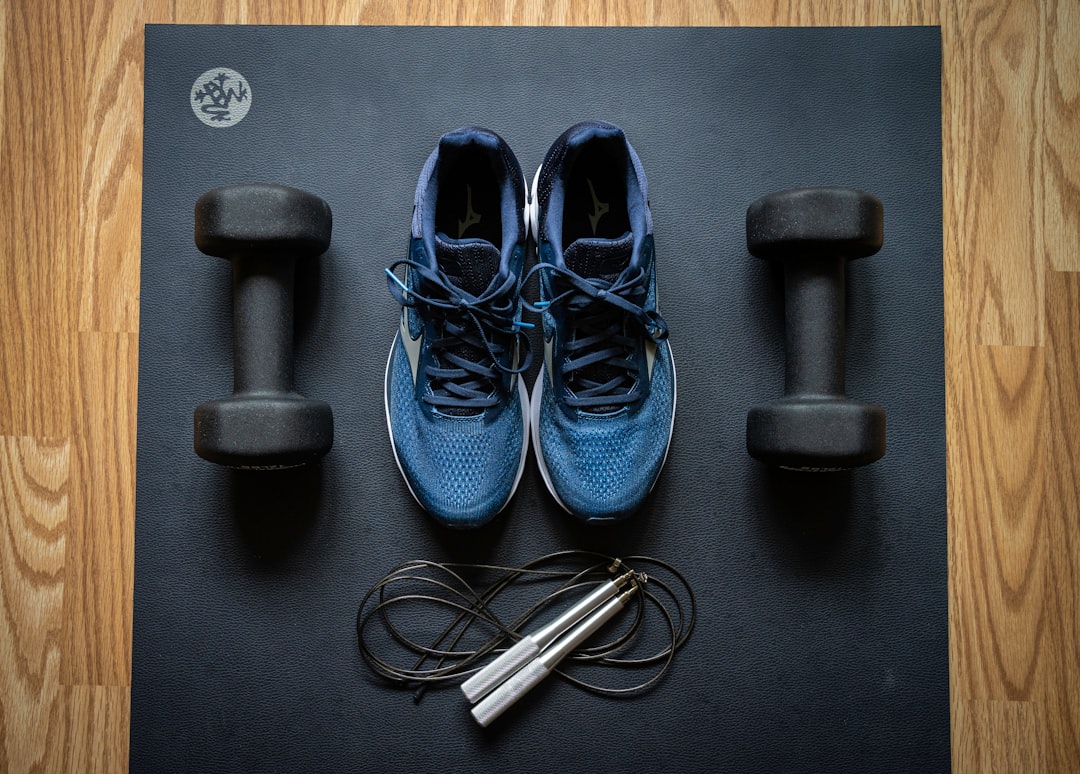
As new year resolutions take hold and gym commutes feel daunting, a practical solution emerges: free digital fitness. Many are now looking to get in shape at home, leveraging a growing array of applications and websites that provide structured workout routines without the need for expensive memberships or specialized equipment. This trend highlights a significant shift towards accessible wellness, making fitness achievable for everyone.
The appeal of home workouts has surged, particularly since the global pandemic reshaped daily routines and emphasized the importance of personal well-being. Beyond avoiding crowded gyms, exercising at home offers unparalleled flexibility, fitting into busy schedules and eliminating travel time. This convenience is crucial for sustaining a fitness regimen, transforming what might be a fleeting resolution into a consistent habit.
Economically, the free access to high-quality training is a game-changer. With rising living costs, cutting back on gym fees can free up significant disposable income, making fitness an inclusive pursuit rather than a luxury. This accessibility is driving innovation in the digital health sector, pushing developers to create engaging and effective platforms for a diverse user base.
Leveraging free fitness apps for effective home workouts
The digital landscape now offers robust options for those committed to exercising without leaving their living rooms. As reported by Fast Company, apps like Seven have popularized high-intensity interval training (HIIT) with quick, equipment-free circuits, often based on scientific studies, allowing users to complete a full-body workout in just seven minutes. According to the original research published in the American College of Sports Medicine’s Health & Fitness Journal, short, intense bursts of exercise can be highly effective.
For a more mindful approach, Down Dog provides personalized yoga and meditation sessions, adapting to individual skill levels and time constraints. This platform stands out by generating new sequences for each session, preventing repetition and keeping practice engaging. Moreover, the Nike Training Club (NTC) app offers hundreds of free workouts, from strength and endurance to yoga, led by world-class trainers, catering to a wide range of fitness goals and preferences.
Beyond dedicated apps, platforms like YouTube host an extensive library of fitness content. Channels such as FitnessBlender or Pamela Reif offer diverse workouts, from cardio to strength training, accessible to anyone with an internet connection. This democratization of fitness information, as highlighted by Statista data on health and fitness apps, underscores the massive shift towards digital self-care solutions, with millions globally opting for virtual trainers.
Maximizing your home fitness journey with free resources
To truly maximize the benefits of these free digital tools, consistency and proper form are paramount. Many apps provide clear instructions and visual guides, but users should also consider supplementary resources, such as instructional videos from certified trainers, to ensure exercises are performed safely and effectively. The convenience of a home setting should not compromise the quality of the workout.
Furthermore, integrating variety into your routine helps prevent plateaus and maintains motivation. Switching between HIIT, yoga, and strength training, as facilitated by the diverse offerings of these apps and sites, can target different muscle groups and improve overall fitness. According to a study on exercise adherence published in the Journal of Sport and Exercise Psychology, varied routines significantly increase long-term engagement with physical activity.
The rise of these accessible platforms also reflects a broader understanding of wellness, moving beyond just physical exertion to include mental health benefits. Yoga and meditation apps, for instance, offer tools for stress reduction and improved focus, contributing to holistic well-being. This integrated approach to health is a cornerstone of modern fitness, making it more sustainable for individuals across all walks of life.
The landscape of personal fitness has irrevocably shifted, making it easier than ever to get in shape at home. With a wealth of free applications and websites offering everything from intense HIIT sessions to calming yoga flows, individuals now possess the tools to cultivate a robust fitness regimen from their living rooms. As technology continues to evolve, we can expect even more personalized and interactive free solutions, further democratizing access to health and well-being for a global audience.