A new wave of “Get Ready With Me” (GRWM) videos featuring satirical portrayals of U.S. Immigration and Customs Enforcement (ICE) agents is rapidly gaining traction on TikTok, transforming a popular lifestyle format into a platform for sharp social commentary.
These viral clips, often laced with dark humor, reflect growing public scrutiny and criticism of immigration enforcement, particularly in the wake of recent high-profile incidents.
Traditionally, GRWM videos showcase individuals preparing for their day, sharing fashion, makeup, or daily routines. However, this emerging subgenre subverts the format by depicting fictional ICE agents engaging in morally questionable or comically exaggerated activities, drawing hundreds of thousands of views and sparking widespread discussion.
The trend highlights how social media platforms are increasingly utilized for political expression and satire, allowing creators to engage with charged topics in accessible and shareable ways, often reaching younger audiences who might not consume traditional news media.
The rise of satirical criticism on social media
The surge in ‘GRWM as an ICE agent’ videos coincides with heightened public backlash against the agency. This trend, blending humor with pointed critique, was notably highlighted by comedian Adam Macias.
His skit, which opens with “Get ready with me as an absolute piece-of-shit ICE agent,” quickly gained traction, as reported by Fast Company in January 2026.
Macias’s skit humorously depicts an agent unable to “get clean” despite multiple showers, and practicing “self-defense” against an imagined aunt-like figure. This underscores a pervasive sentiment of moral discomfort associated with the agency’s actions.
Another creator’s video, titled “How ICE agents wake up in the morning,” garnered nearly 3 million views. It quipped about harassing workers and hoping to “beat up a pregnant woman,” referencing real-world allegations against ICE.
This form of digital activism uses humor to expose and amplify criticisms, particularly concerning allegations of excessive force and human rights violations. The videos serve as a mirror, reflecting public anxieties and anger, often drawing on specific, well-publicized incidents to fuel their narrative.
Contextualizing the backlash against ICE
The trend’s emergence is deeply rooted in recent controversies surrounding ICE operations. A significant catalyst was the fatal shooting of Renee Good by ICE agent Jonathan Ross in Minneapolis in January 2026, during a protest against agency operations in the Twin Cities.
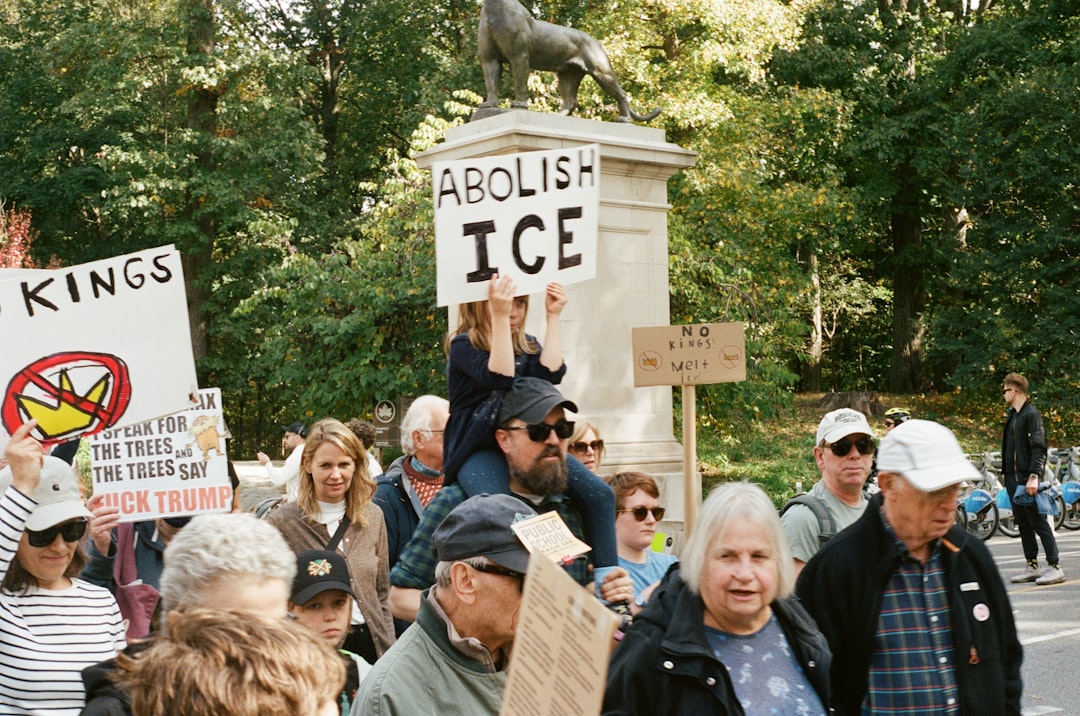
This incident ignited widespread protests, including the “ICE out of Minnesota” rally, and fueled online outrage, providing immediate context for the satirical videos. Public sentiment regarding immigration enforcement agencies has been increasingly polarized, with recent data showing significant divisions in how Americans perceive border security and immigration policies, as detailed by the Pew Research Center in October 2023.
According to a report by the ACLU, there have been numerous documented cases of alleged abuse and misconduct by ICE agents, further contributing to a negative public perception that these videos tap into.
Social media platforms like TikTok offer an immediate and unfiltered avenue for creators to respond to such events, often bypassing traditional media gatekeepers. This allows for rapid dissemination of critical perspectives, shaping public discourse and influencing perceptions of government agencies.
The effectiveness of these videos lies in their ability to condense complex political issues into digestible, entertaining, and highly shareable content. They leverage the platform’s native language and trends to engage a demographic that might be less inclined to read lengthy news analyses, making political commentary both accessible and culturally relevant.
The ‘GRWM as an ICE agent’ trend on TikTok represents more than just a fleeting viral moment; it signifies a powerful evolution in how digital platforms are used for political satire and social critique.
As public discourse continues to shift towards online spaces, these creative, often provocative, videos will likely remain a significant tool for expressing dissent and shaping public opinion on contentious issues.
They underscore the ongoing tension between government enforcement and civil liberties, pushing for accountability through the unexpected medium of viral entertainment.