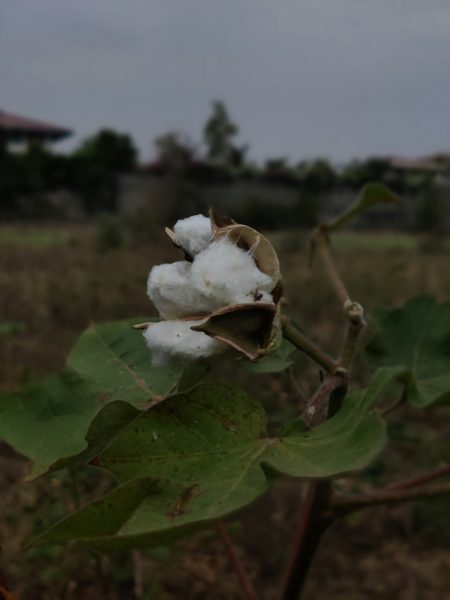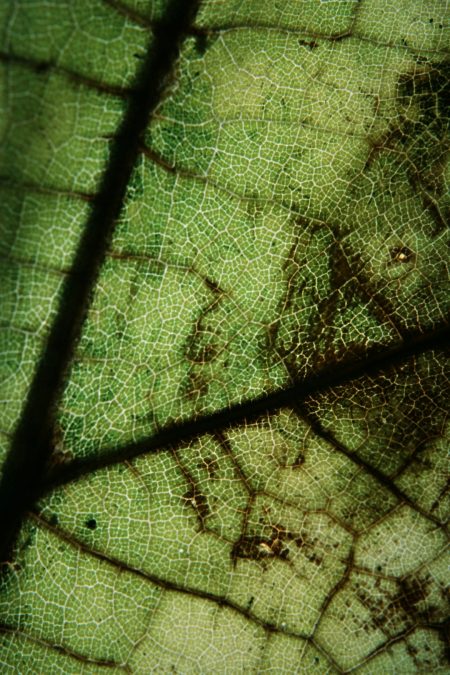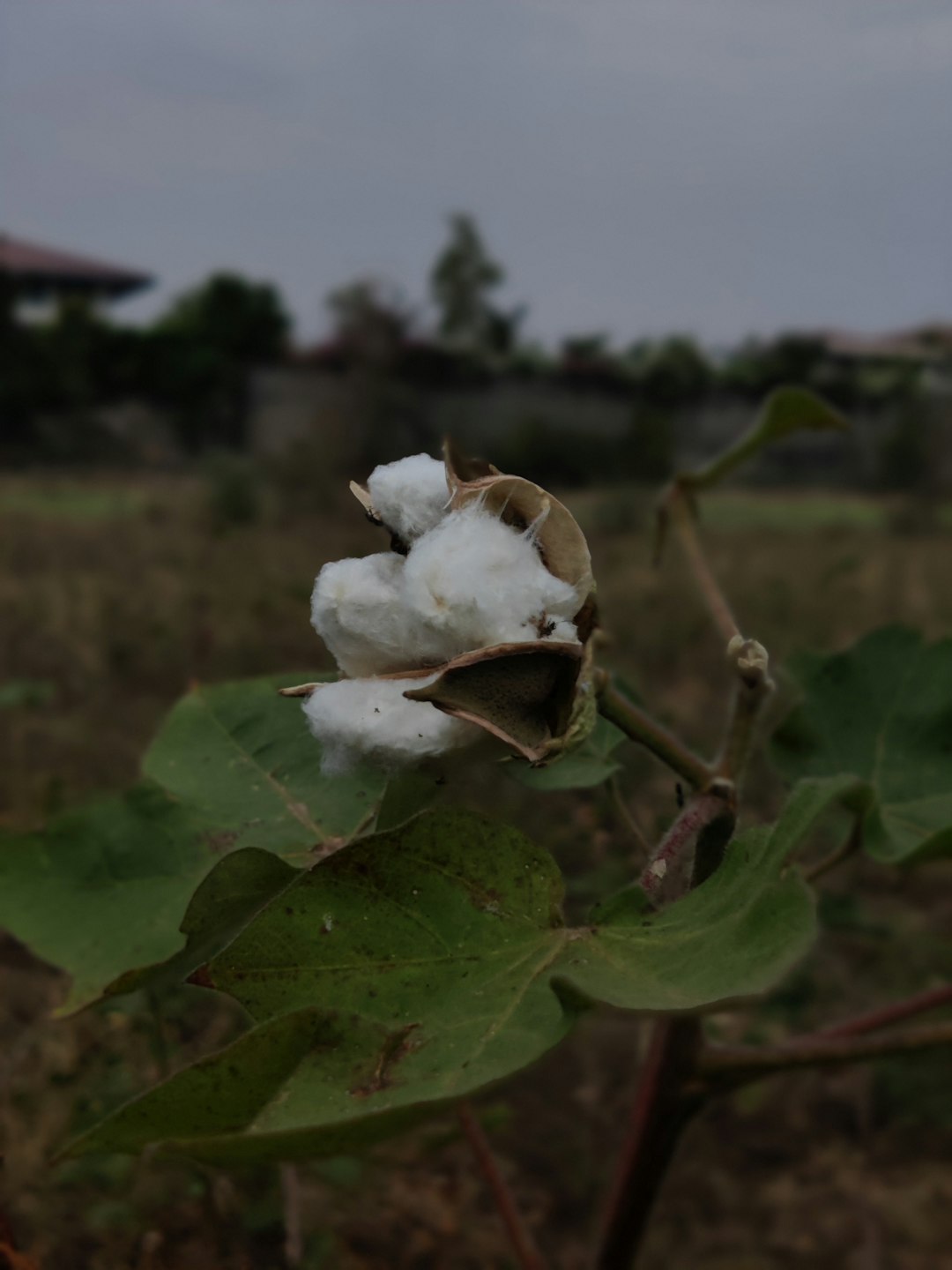
A devastating cotton virus, long believed to be a recent threat, had in fact been silently spreading across U.S. fields for nearly two decades before its official identification. New research has unveiled that the cotton leafroll dwarf virus (CLRDV), a significant pathogen harming cotton crops, was present as early as 2006, quietly infiltrating major cotton-growing states.
This revelation overturns the previous assumption that CLRDV arrived in the U.S. around 2017, when it was first officially detected. The findings underscore the critical role of modern data analysis and bioinformatics in uncovering overlooked agricultural dangers, highlighting how past samples can hold crucial clues to current and future threats.
The study, published in Plant Disease by scientists from the USDA Agricultural Research Service and Cornell University, has profound implications for growers. Understanding the true timeline of the virus’s spread is essential for developing effective management strategies and protecting a vital agricultural commodity.
Uncovering the hidden history of cotton leafroll dwarf virus
Researchers meticulously re-examined genetic information stored in public databases, a process that proved instrumental in mapping the virus’s clandestine journey. This detailed re-analysis identified viral genetic material closely matching known U.S. strains of CLRDV in samples collected years before its recognized emergence, as reported by ScienceDaily.
Alejandro Olmedo-Velarde, formerly a Cornell postdoctoral associate and now an Assistant Professor at Iowa State University, noted the surprise. “CLRDV was officially detected in 2017, so the assumption was that it had only recently entered the U.S.”
He added, “Our study shows that this virus was actually present in the country’s Cotton Belt long before that.” Evidence, as reported, was found in Mississippi from 2006, Louisiana in 2015, and California in 2018.
Further reinforcing these findings, subsequent field surveys in 2023 confirmed CLRDV’s current presence in Southern California, marking the state’s first official detection. Intriguingly, researchers even found traces of the virus in a cow’s digestive tract during a California research study, suggesting contaminated plant-based feed as a likely vector for its widespread presence.
Implications for growers and future agricultural monitoring
The revelation that CLRDV has been a silent resident for so long offers a new perspective on long-standing agricultural puzzles. Scientists are now re-evaluating the connection between CLRDV and “bronze wilt,” a set of symptoms that has historically caused crop damage and divided expert opinion. Olmedo-Velarde suggests this link is gaining traction, potentially explaining previously unexplained losses.
For cotton growers, these findings serve as both a warning and a call to action. Dr. Michelle Heck, an Agricultural Research Service Scientist, emphasized the urgency: “CLRDV has been in U.S. fields far longer than anyone realized, and it may be more widespread than current reports suggest. Understanding how and why the virus remained under the radar for so long will be critical for developing effective management strategies.”
The study underscores the growing importance of interdisciplinary collaboration between bioinformatics and plant pathology. It suggests that existing, archived data may hold crucial early warning signs of emerging agricultural threats, provided researchers are equipped with the tools and foresight to analyze them effectively. Vigilance and advanced genetic analysis will be key to safeguarding future harvests.