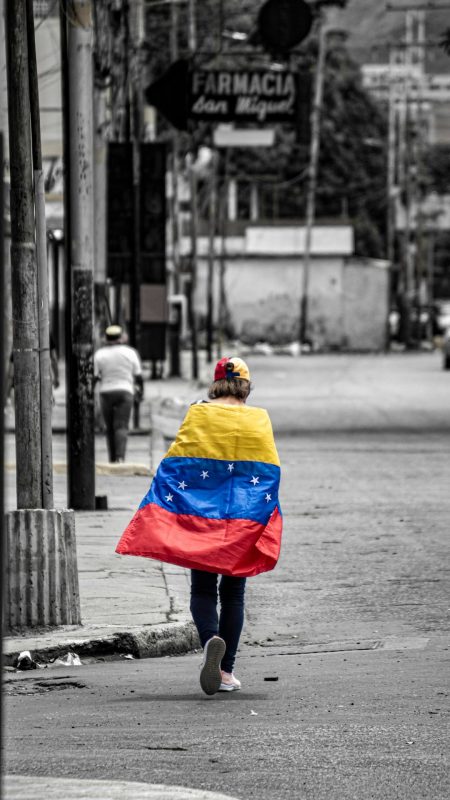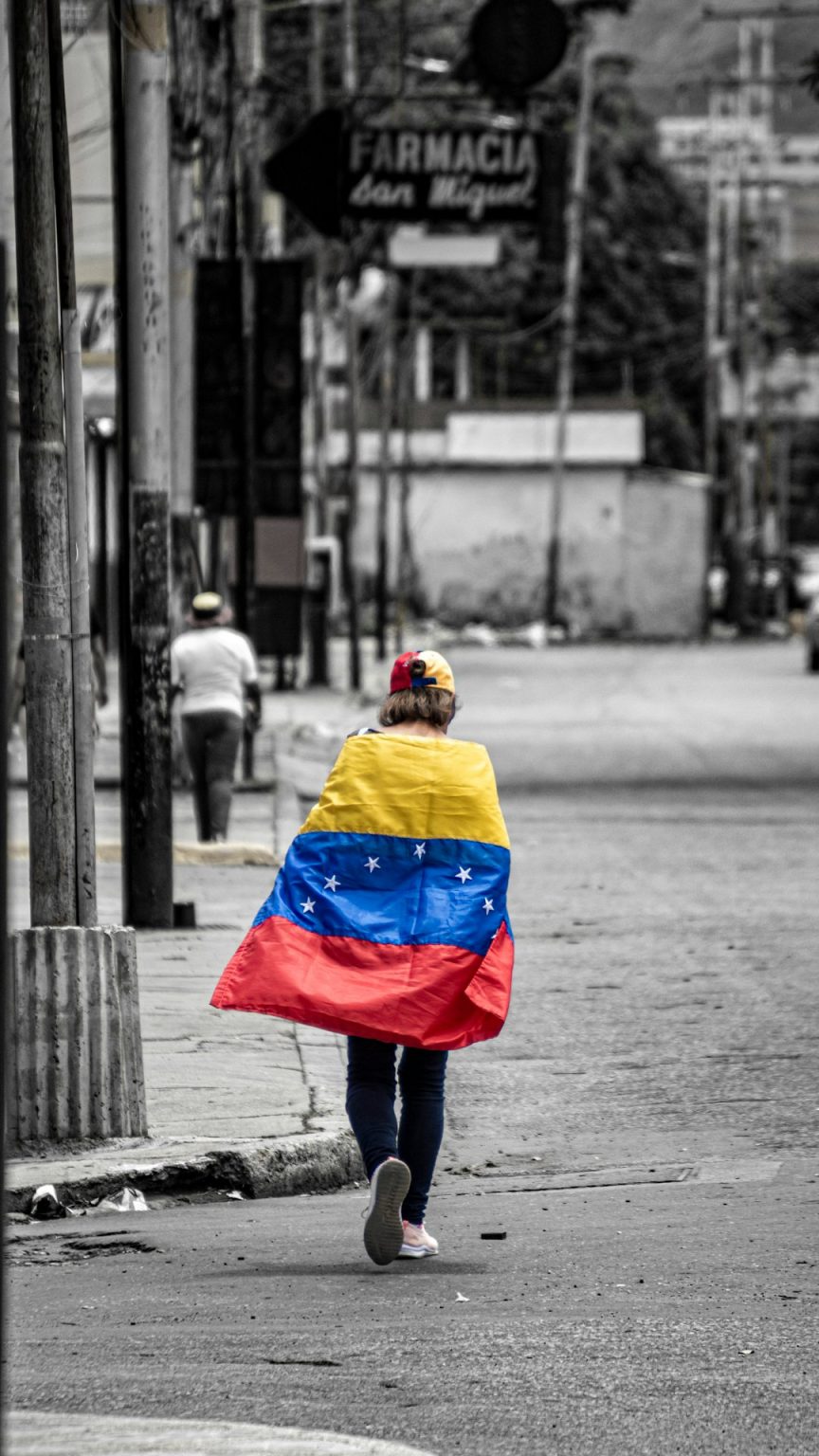
The Kremlin’s unexpected quietude on alleged US actions in Venezuela, a long-standing Russian ally, has sparked debate among geopolitical observers. This silence, particularly amid reports of President Nicolás Maduro’s abduction and an oil tanker seizure, contrasts sharply with the fervent calls from Russia’s nationalist commentators for a robust response.
For years, Russia has cultivated deep economic and military ties with Venezuela, viewing it as a strategic partner in Latin America. Moscow’s investments in the nation’s oil sector and its provision of advanced weaponry have cemented this alliance, making the current lack of official comment on recent events particularly striking.
This situation forces an examination of Russia’s broader foreign policy objectives and its capacity for global intervention. The perceived challenge to a key ally like Venezuela would typically elicit a strong condemnation from Moscow, highlighting a potential shift in tactical priorities or a more nuanced strategy at play.
Russia’s Strategic Calculus and Global Constraints
Russia’s engagement with Venezuela has always been a delicate balancing act, designed to project influence without triggering direct confrontation with the United States. Moscow has provided billions in loans and military aid, solidifying a presence in a region historically dominated by Washington.
This strategy is well-documented in a 2023 analysis from the Center for Strategic and International Studies.
However, the current geopolitical landscape presents unique constraints for the Kremlin. With ongoing military operations and extensive sanctions impacting its economy, Russia faces limitations on its ability to project power globally. A direct military response to alleged US actions in Venezuela would risk a significant escalation.
Such an intervention could potentially divert critical resources and attention from its primary strategic objectives, particularly in Eastern Europe. The cost-benefit analysis of a distant, high-stakes confrontation likely weighs heavily on decision-makers in Moscow.
A Pragmatic Silence: Managing Expectations and Risk
The outrage expressed by Russia’s patriotic bloggers, advocating for extreme measures like sinking American ships, highlights a significant domestic pressure point for President Putin. These voices demand a show of strength and solidarity with an embattled ally.
Yet, Putin’s administration often prioritizes long-term strategic pragmatism over immediate, emotionally charged reactions. Nina L. Khrushcheva, writing for Project Syndicate in 2026, observes that while Putin dislikes appearing weak, he also aims to avoid exacerbating tensions with the US.
This approach suggests a strategic patience, aiming to prevent tensions from escalating beyond a certain threshold.
This calculated silence may indicate behind-the-scenes diplomatic maneuvering or a strategic delay, allowing Russia to assess the full implications before committing to a public stance. It could also reflect a prioritization of internal stability and resource management over a potentially costly and unwinnable direct confrontation.
Such a confrontation would be far from its borders and demand significant resources.
The Kremlin must weigh the symbolic importance of Venezuela against the tangible risks of a wider conflict with a nuclear power, as noted by a 2024 report on global power dynamics from the Carnegie Endowment for International Peace.
Ultimately, Putin’s silence on Venezuela appears to stem from a complex interplay of strategic calculation, resource allocation, and risk aversion. While domestic nationalist voices demand a forceful response, the Kremlin seems to be navigating a path that avoids direct military escalation with the US.
This approach focuses instead on preserving its broader geopolitical interests. Future actions may involve less overt forms of support, reaffirming Russia’s influence in Latin America without triggering an unmanageable global crisis.