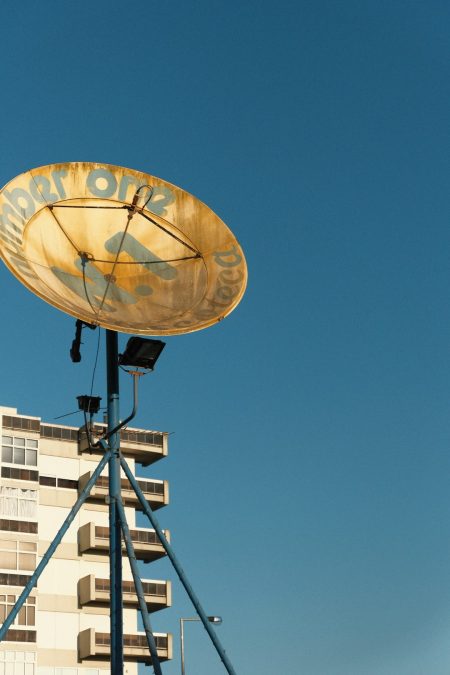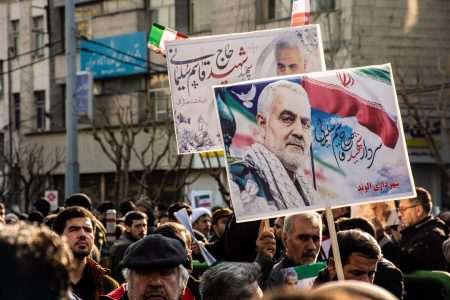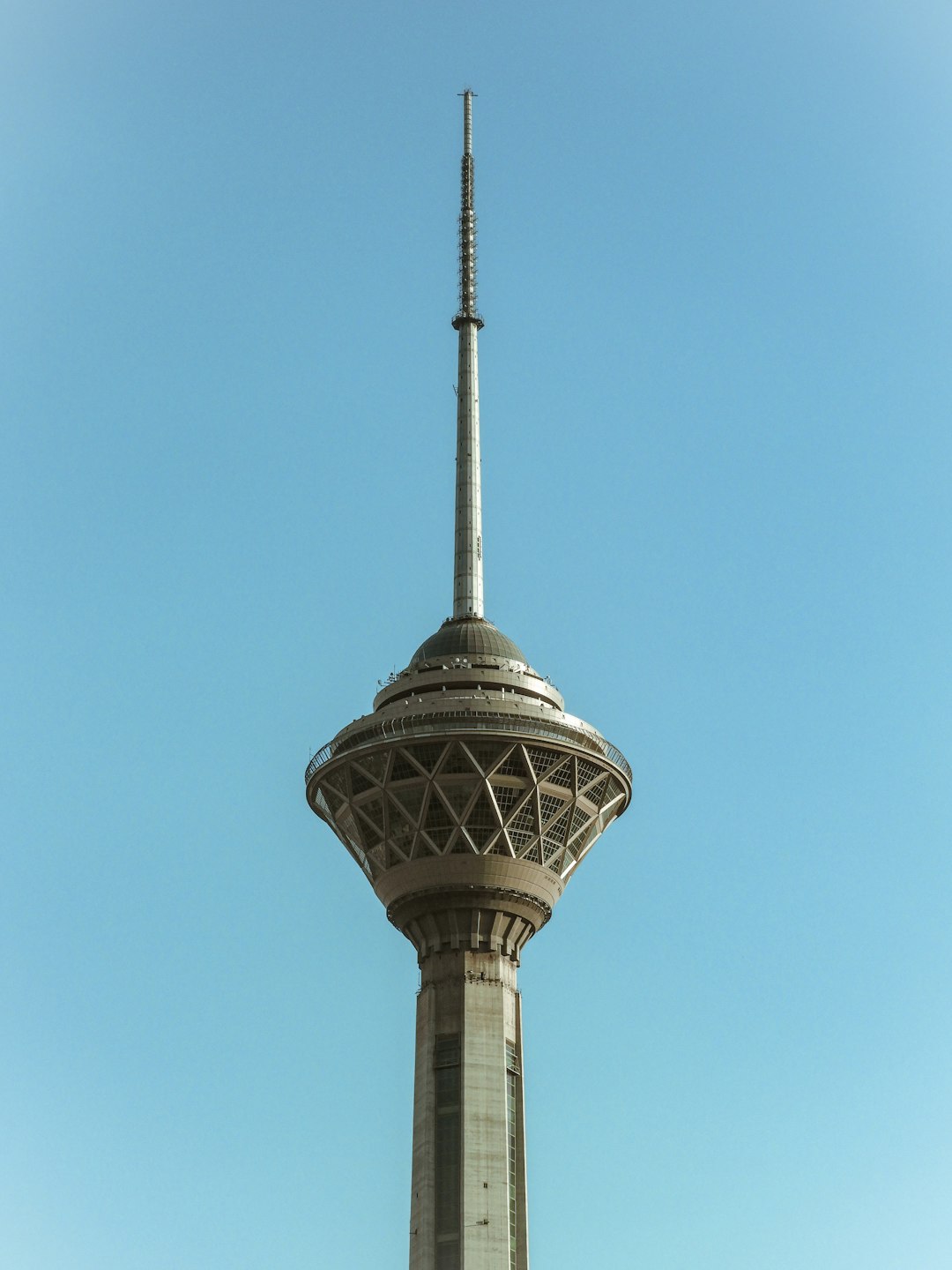
SpaceX’s Starlink satellite internet service has reportedly dropped its fees for Iranian demonstrators, enabling them to bypass a severe government-imposed internet blackout. This move comes as widespread protests intensify across Iran, fueled by economic collapse and currency devaluation.
Authorities have attempted to prevent information from reaching the outside world, but activists confirm Starlink access is now free for those with receivers, proving crucial amidst the communications shutdown.
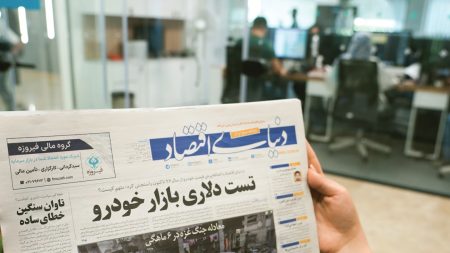
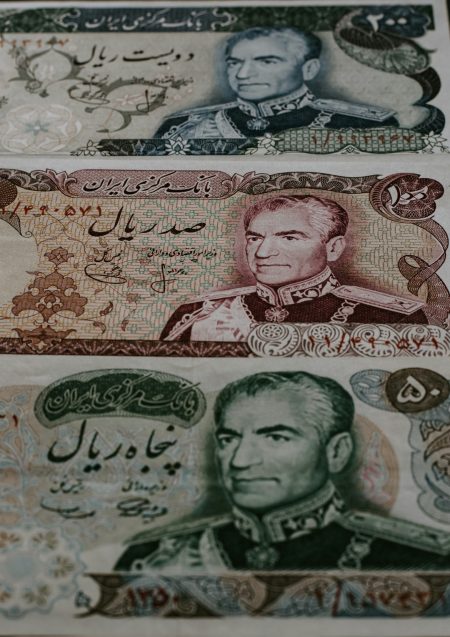
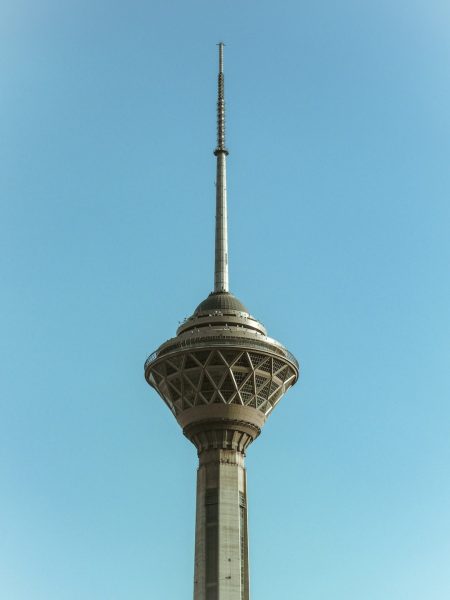
The decision by the American aerospace company, led by Elon Musk, follows a complete shutdown of telecommunications and internet access for Iran’s 85 million people on January 8. This drastic measure was implemented as demonstrations expanded significantly, highlighting the Islamic Republic’s faltering economy and currency collapse.
The ability to communicate and share information has become a critical tool for protesters, allowing them to coordinate and document events that might otherwise remain hidden. According to activists, Starlink has been instrumental in disseminating crucial visual evidence, such as videos from forensic medical centers near Tehran, which have significantly altered global perceptions of the ongoing crisis.
The critical role of Starlink in bypassing censorship
The effectiveness of Starlink in circumventing state censorship is starkly evident in the testimonials from the ground. Mehdi Yahyanejad, an Iranian whose nonprofit Net Freedom Pioneers has facilitated the smuggling of Starlink units into Iran, emphasized its importance. Speaking from Los Angeles, Yahyanejad told The Associated Press, as reported by Fast Company, that “Starlink has been crucial.”
He cited a video that emerged showing hundreds of bodies at a forensic medical center near Tehran, a harrowing piece of evidence that “pretty much changed everyone’s understanding of what’s happening because they saw it with their own eyes.” Such visual documentation provides undeniable proof of the human cost of the crackdown, countering official narratives and galvanizing international attention on the Iranian protests.
Risks and the broader geopolitical context
Despite its undeniable benefits for communication, using Starlink in Iran carries significant risks for demonstrators. The service is officially banned by Iranian telecommunication regulations, as the country has not authorized the importation, sale, or use of the devices. Activists operating these units face severe consequences, including potential accusations of aiding foreign adversaries like the U.S. or Israel.
Such charges could lead to espionage convictions, which in Iran, can carry the death penalty, underscoring the immense personal danger involved in accessing this free internet. Since the outbreak of demonstrations on December 28, the death toll has tragically risen to over 2,500 people, primarily protesters, according to the U.S.-based Human Rights Activists News Agency, a grim reminder of the stakes.
The provision of free Starlink access to Iranian demonstrators represents a potent intersection of technology, human rights, and geopolitical strategy. While it offers a vital lifeline for communication and information dissemination in the face of severe state censorship, it also highlights the perilous environment for those who dare to use it. The ongoing situation in Iran underscores how satellite internet can become a critical tool for freedom of expression, challenging authoritarian control in an increasingly connected, yet often disconnected, world.