The “becoming Chinese” trend is rapidly taking over social media, particularly TikTok, as users embrace lifestyle practices rooted in traditional Chinese medicine for wellness. This viral phenomenon, driven by Chinese creators, is reshaping daily routines globally, from diet to self-care practices. It highlights a growing fascination with ancient Eastern health wisdom in modern digital spaces.
This cultural shift goes beyond mere curiosity, manifesting in tangible changes like drinking hot water, consuming congee, and opting for house slippers. These habits, long integral to Chinese culture, are now being adopted by a global audience seeking holistic health benefits. The phenomenon gained significant traction in recent months, with videos garnering millions of views.
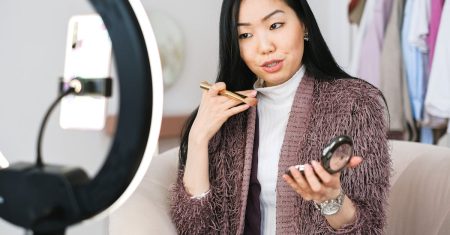
While some trends involving cultural adoption often spark debates about appropriation, the response from Chinese creators to this particular movement has been overwhelmingly positive. As reported by Fast Company in January 2026, creators like Emma Peng express pride, stating, “my culture can be your culture. You’re doing really good hydrating yourself. I’m proud of you.” This sentiment suggests a welcome cultural exchange rather than mere imitation.
The allure of traditional Chinese medicine in a digital age
The core of the “becoming Chinese” trend lies in the widespread appeal of traditional Chinese medicine (TCM) principles, many of which emphasize balance, hydration, and warmth. Practices like consuming warm foods, using herbal remedies, and mindful living have been central to TCM for millennia. The modern digital landscape, especially platforms like TikTok, provides an unprecedented channel for these ancient practices to reach new audiences.
According to the National Center for Complementary and Integrative Health (NCCIH), TCM encompasses a range of practices including acupuncture, tai chi, and dietary therapy, all aimed at restoring harmony within the body. The simple, accessible aspects of TCM, such as drinking hot water with lemon and honey or eating warming foods, resonate with individuals seeking straightforward wellness hacks amidst complex health information. This accessibility fuels its viral spread.
This new year saw a surge in interest, aligning perfectly with resolutions for self-improvement and healthier lifestyles. Sherry Xiiruii, another prominent Chinese American TikToker, playfully declared in a viral clip, “Tomorrow, you’re turning Chinese. I know it sounds intimidating, but there’s no point fighting it now—you are the chosen one.” Such playful framing makes the adoption feel inviting and empowering, not exclusive.
Cultural appreciation versus viral sensation
While the “becoming Chinese” trend is largely celebrated as a form of cultural exchange, it is not entirely devoid of nuanced discussions. Historically, trends involving the adoption of elements from other cultures have often faced criticism for cultural appropriation, particularly when the original context or significance is lost or commodified. However, this trend appears to navigate these waters differently.
The strong presence and active participation of Chinese creators in promoting these practices seem to be a key differentiator. Their endorsement transforms potential critique into validation, fostering genuine appreciation rather than mere mimicry. This active ownership by the source culture helps to legitimize the trend, encouraging a deeper, more respectful engagement from followers.
This phenomenon extends beyond just wellness algorithms. Broader cultural references, such as viral X posts like “You met me at a very chinese time in my life,” echoing pop culture, or “chinesemaxxing” discussions from 2025 about adopting specific mannerisms and attire, indicate a wider cultural embrace. As The New York Times has often explored, the line between appropriation and appreciation is fine, and this trend leans towards the latter due to its organic, creator-led nature.
A 2023 study published in the American Behavioral Scientist highlighted how digital platforms accelerate cultural diffusion, enabling rapid adoption and adaptation of trends globally. This academic insight underscores the powerful role social media plays in current cultural shifts, making the “becoming Chinese” phenomenon a prime example of digital-age cultural permeability.
The “becoming Chinese” trend exemplifies the fluid nature of culture in the digital age, where wellness practices and lifestyle choices transcend geographical boundaries. It represents a fascinating intersection of ancient wisdom, modern social media dynamics, and a global quest for well-being. This movement offers a glimpse into how cultural exchange can flourish, fostering understanding and shared practices, provided the dialogue remains respectful and authentic.