Scientists are increasingly questioning the safety of BPA-free packaging, with new research from McGill University indicating that chemicals replacing bisphenol A (BPA) in food containers and labels may not be as benign as once assumed. The study, published in Toxicological Sciences, found that several BPA alternatives can leach into food and interfere with crucial cellular functions in human ovarian cells, sparking a reevaluation of what “BPA-free” truly means for consumer health.
For years, BPA has been a public health concern, linked to hormonal disruptions, fertility issues, and metabolic disorders. Its widespread use in plastics and epoxy resins, particularly in food and beverage containers, led to a global push for alternatives. Consumers welcomed “BPA-free” labels as a sign of progress, trusting these new materials offered a safer option for daily use.
However, the latest findings suggest this transition might have overlooked potential hazards. The McGill team’s investigation builds on earlier work by Stéphane Bayen, an Associate Professor in Food Science, who demonstrated that chemicals from price stickers could migrate into food wrapped in plastic. This new study extends that concern, moving beyond migration to analyze the biological impact of these substitutes on human cells.
Emerging concerns with BPA alternatives
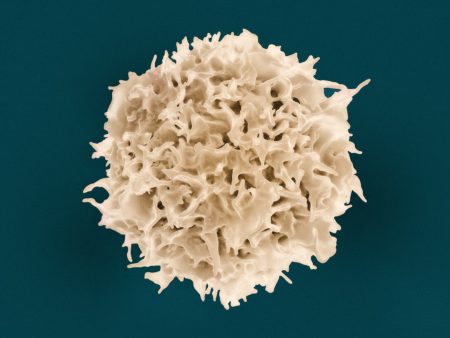
The research specifically examined four common BPA alternatives: TGSA, D-8, PF-201, and BPS, which are frequently used in price labels on meat, fish, cheese, and fresh produce. When human ovarian cells were exposed to these substances in a laboratory setting, several, notably TGSA and D-8, triggered an unusual buildup of fat droplets within the cells. More critically, they altered the activity of genes vital for cell growth and DNA repair.
Bernard Robaire, co-senior author of the study and a James McGill Professor, emphasized the significance of these changes. “These are major cellular functions,” Robaire stated. “Disrupting them doesn’t prove harm in humans, but it gives us a strong signal that these chemicals should be further investigated.” This sentiment underscores a growing scientific consensus that the rapid adoption of BPA replacements may have outpaced thorough safety evaluations, as reported by ScienceDaily on January 15, 2026.
The study, published in Toxicological Sciences, highlights a crucial regulatory gap. While BPA itself faces strict scrutiny and bans in products like baby bottles in Canada due to its known endocrine-disrupting properties, many of its substitutes operate in a less regulated environment. This lack of oversight means that new chemicals can be introduced without the same level of safety testing, creating potential blind spots for public health.
Navigating the ‘BPA-free’ landscape
The “BPA-free” label, while seemingly reassuring, is often misleading, according to Robaire. He points out that it frequently signifies merely a swap from one bisphenol to another, with over 200 such compounds available. “Some may be just as harmful, or even worse. We need to test these compounds before they’re widely adopted, not after,” he urged, highlighting the proactive approach required for consumer protection.
In response to these findings and similar concerns, Health Canada has added all four chemicals investigated in the McGill study to a list requiring further review. This action reflects a growing awareness among regulatory bodies that a more comprehensive assessment of these substitute chemicals is urgently needed to ensure long-term public safety regarding food packaging chemicals.
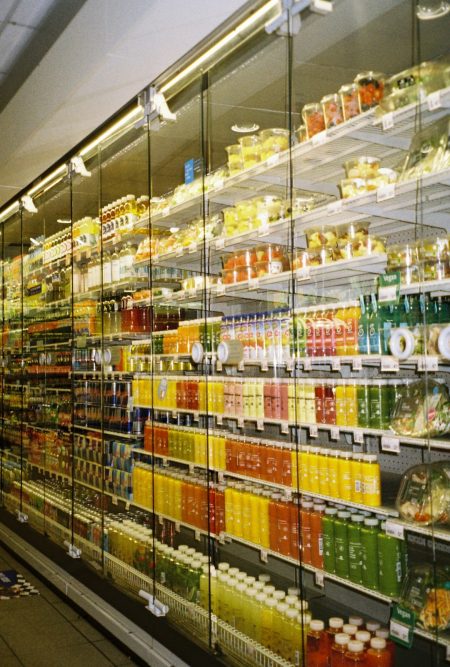
For consumers seeking to minimize potential exposure, Robaire offers practical advice. He suggests removing price labels and plastic wrap from fresh foods before storage. Additionally, choosing items from the top of grocery store display stacks may help, as pressure from stacked products below could increase the transfer of chemicals into food. These steps can provide a measure of caution while scientific understanding of BPA-free packaging safety continues to evolve.
The ongoing scientific inquiry into BPA-free packaging underscores a critical lesson: replacing one problematic chemical with another without rigorous testing can introduce new, unforeseen risks. As researchers continue to unravel the complexities of these substitutes, the focus remains on advocating for more stringent pre-market assessments and transparent labeling. Ultimately, ensuring genuine safety in our food supply requires a proactive approach, moving beyond simple replacements to truly understand the long-term impact on human health and the environment.