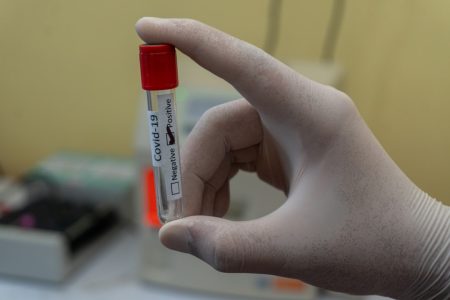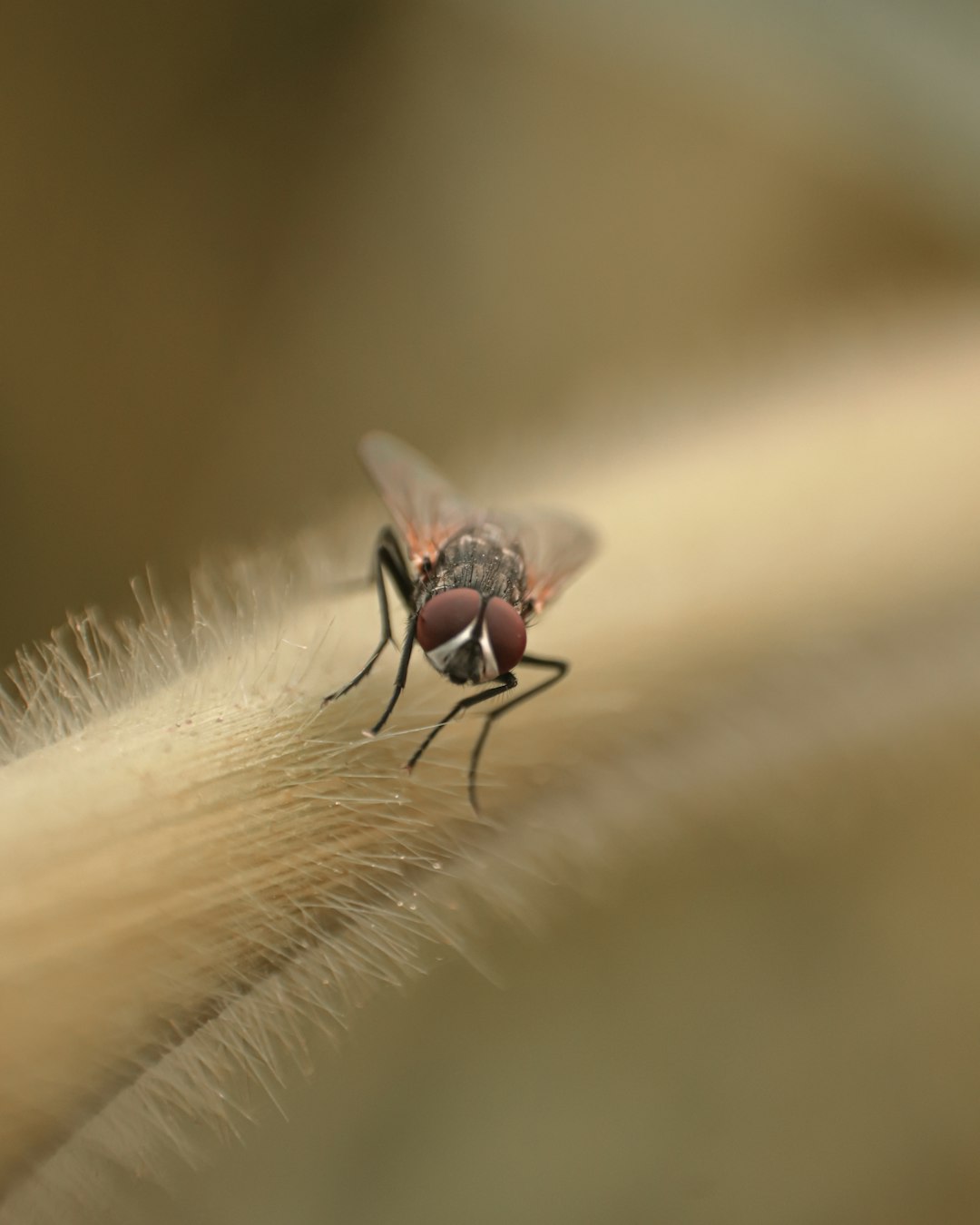
Recent research indicates that as forests disappear, mosquitoes are increasingly targeting humans for blood meals, intensifying the risk of dangerous diseases such as dengue and Zika. This alarming shift, particularly evident in Brazil’s rapidly dwindling Atlantic Forest, highlights a critical intersection between environmental degradation and public health, according to a study published in 2026.
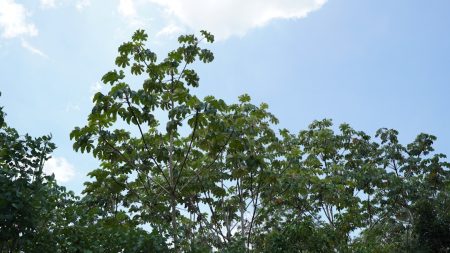
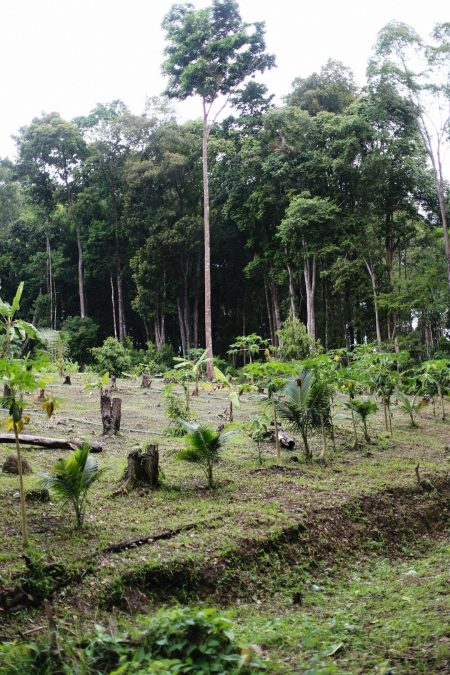
The Atlantic Forest, once a sprawling biome along Brazil’s coast, has been reduced to roughly one-third of its original size due to human development. As people expand into these habitats, wildlife is displaced, compelling mosquito species that once fed on diverse animals to adapt their feeding patterns.
This ecological disruption forces a reevaluation of disease transmission dynamics. Understanding how this change in forest loss mosquito behavior impacts communities at the forest edge is vital for developing effective public health strategies.
The shifting diet of mosquitoes
To unravel mosquito feeding preferences, a research team deployed light traps in natural reserves within the state of Rio de Janeiro. They collected female mosquitoes that had recently consumed blood and analyzed their stomach contents, extracting DNA to identify the host species.
The findings were stark: out of 1,714 mosquitoes captured, 145 carried blood meals, and researchers identified 24 individual blood sources. Of these, 18 came from humans, contrasting with only a few from amphibians, birds, canids, and mice. This strong preference for human blood, even in a diverse ecosystem, is a significant concern.
Dr. Jeronimo Alencar, a biologist at the Oswaldo Cruz Institute in Rio de Janeiro and senior author of the study, emphasized the gravity of these results. “Here we show that the mosquito species we captured in remnants of the Atlantic Forest have a clear preference for feeding on humans,” Alencar stated, as reported by ScienceDaily.
Co-author Dr. Sergio Machado, a microbiology and immunology researcher at the Federal University of Rio de Janeiro, added that in an environment rich with potential vertebrate hosts, a human preference dramatically enhances pathogen transmission risk. This implies that convenience, driven by human encroachment, is a major factor in this altered forest loss mosquito behavior.
Deforestation and disease dynamics
The continued loss of forests and the expansion of human settlements create a vacuum where natural hosts for mosquitoes disappear. This environmental pressure forces mosquitoes to modify their habitats and foraging strategies, often bringing them into closer contact with people.
As Machado explained, “With fewer natural options available, mosquitoes are forced to seek new, alternative blood sources. They end up feeding more on humans out of convenience, as we are the most prevalent host in these areas.” This direct link between deforestation and increased human-mosquito interaction is a critical public health challenge.
The regions studied are endemic for several severe mosquito-borne diseases, including Yellow Fever, dengue, Zika, Mayaro, Sabiá, and Chikungunya. These infections can lead to serious health complications and long-term issues, making the shift in mosquito feeding behavior a direct threat to human populations. Understanding this complex interplay is crucial for disease prevention.
The study, published in Frontiers in Ecology and Evolution, underscores the urgent need for comprehensive ecological preservation efforts to mitigate these health risks. As noted by the World Health Organization, mosquito-borne diseases affect millions globally, and environmental changes exacerbate their spread.
Ultimately, the findings offer practical insights for guiding mosquito control efforts and enhancing early warning systems for disease outbreaks. Protecting remaining forest ecosystems is not merely an environmental imperative but a crucial public health defense, demanding integrated approaches to conservation and disease prevention.