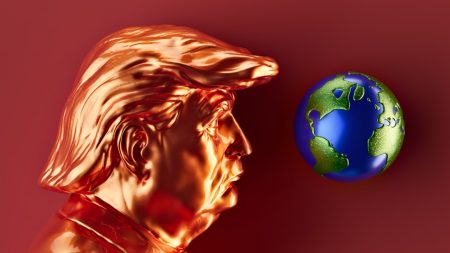
The transactional foreign policy, exemplified by a “gangster’s-eye view of global power,” risks fracturing markets and fueling instability. This approach, outlined by Jayati Ghosh on Project Syndicate in January 2026, posits a world carved among major powers, where the US acts with impunity.
This geopolitical strategy, often perceived as chaotic, systematically pursues spheres of influence. It prioritizes unilateral action and resource control, challenging established norms of international cooperation and sovereignty. Such actions carry significant global repercussions.
The recent events concerning Venezuela, including the alleged abduction of President Nicolás Maduro, underscore this aggressive stance. Efforts to secure control over the nation’s vast oil reserves by installing a client regime reveal a direct application of this doctrine, as highlighted by Ghosh.
The transactional approach to geopolitics
At its core, this foreign policy paradigm rejects multilateralism in favor of bilateral deals and assertive unilateralism. Major powers are seen as entitled to their “backyards,” free from international scrutiny. This framework redefines global relations, emphasizing power projection over diplomacy.
Critics argue this perspective, while seemingly pragmatic, fundamentally misunderstands global interconnectedness. A 2023 report from the Council on Foreign Relations emphasized that unilateral actions often lead to unintended consequences, destabilizing regions and eroding trust.
The pursuit of national economic interests through coercive means, as seen in the Venezuelan context, sets a dangerous precedent. It signals a willingness to bypass international law for strategic gains, potentially inviting similar actions from other assertive nations.
Economic fallout and future instability
The long-term economic implications of such a “gangster’s-eye view of global power” are substantial. Fragmenting global markets and undermining supply chains can deter international investment and hinder growth, impacting even the aggressor nation’s prosperity.
According to a recent analysis by the International Monetary Fund, geopolitical tensions significantly contribute to global economic uncertainty. Trade wars, sanctions, and resource disputes create unpredictable environments for businesses worldwide.
Moreover, this approach jeopardizes the stability of emerging economies reliant on predictable international trade and investment. When powerful nations disregard international norms, smaller states become vulnerable, facing increased pressure and reduced autonomy.
Ultimately, the doctrine of carving up global power, as articulated by Jayati Ghosh on www.project-syndicate.org, presents a stark challenge to the existing world order. Its emphasis on transactional power plays over cooperative governance risks a future defined by escalating conflicts and economic fragmentation.
Navigating these turbulent waters will require a renewed commitment to diplomacy and international law. Without it, the global landscape may increasingly resemble a chaotic arena, detrimental to collective prosperity and peace.