New research suggests that sharp spikes in blood sugar after meals significantly elevate the risk of Alzheimer’s disease. A University of Liverpool study, published in January 2026, found individuals with higher after-meal blood sugar had a 69% greater risk, pointing to new pathways for prevention.
This finding, reported by ScienceDaily on January 15, 2026, challenges previous assumptions by highlighting post-meal glucose levels as a distinct factor in long-term brain health. While conditions like hyperglycemia, type 2 diabetes, and insulin resistance have long been linked to poorer cognitive outcomes, the precise mechanisms through which blood sugar disruptions contribute to brain changes remained elusive.
The new evidence underscores a specific vulnerability, suggesting that even without overt metabolic disorders, the brain may be subtly impacted by glucose fluctuations following food intake. This distinction could reshape our understanding of dementia progression and prevention.
Unpacking the genetic link: After-meal blood sugar and Alzheimer’s
To investigate this intricate connection, researchers meticulously analyzed genetic and health data from over 350,000 participants in the UK Biobank, aged 40 to 69. The study focused on critical indicators of glucose metabolism, including fasting glucose, insulin levels, and blood sugar measurements taken two hours after eating.
The team employed Mendelian randomization, a robust genetic method, to determine if specific biological traits directly influence disease risk. This approach allowed them to assess whether variations in blood sugar regulation measures were causally linked to the development of dementia.
The results were stark: individuals exhibiting elevated blood sugar levels after meals, a condition known as postprandial hyperglycemia, faced a 69% higher risk of developing Alzheimer’s disease.
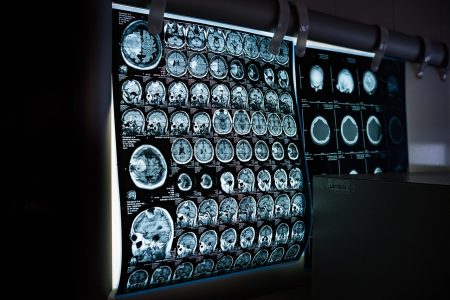
Significantly, this increased risk of Alzheimer’s was not attributable to overall brain shrinkage or damage to white matter, typically visible on scans. This suggests that the impact of elevated after-meal blood sugar on the brain might involve more subtle biological processes, which are not yet fully understood.
As noted in the study published in Diabetes, Obesity and Metabolism in 2025, Dr. Andrew Mason, the lead author, commented: “This finding could help shape future prevention strategies, highlighting the importance of managing blood sugar not just overall, but specifically after meals.”
Implications for prevention and future research
The discovery that after-meal blood sugar spikes independently contribute to Alzheimer’s risk opens new avenues for proactive health management. It suggests that dietary choices and lifestyle interventions aimed at stabilizing post-meal glucose could become crucial components of a dementia prevention strategy, even for individuals without a diabetes diagnosis.
Dr. Vicky Garfield, senior author of the study, emphasized the need for further validation: “We first need to replicate these results in other populations and ancestries to confirm the link and better understand the underlying biology.”
She added that if validated, “the study could pave the way for new approaches to reduce dementia risk in people with diabetes.” This research points towards a future where personalized dietary advice, focusing on glycemic response, might play a more prominent role in brain health.
The ongoing exploration into these subtle biological pathways could uncover novel therapeutic targets. Understanding how postprandial hyperglycemia impacts brain function at a molecular level will be essential for developing more effective interventions against Alzheimer’s disease, a condition impacting millions globally according to the Alzheimer’s Association. This research shifts the focus towards early, proactive metabolic management.