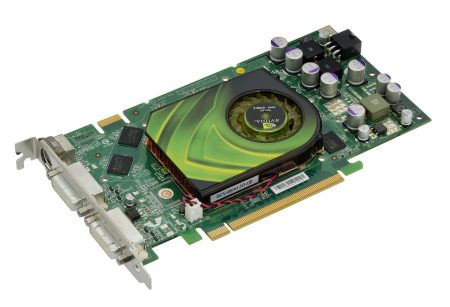

AlphaTON recently announced a significant partnership with NVIDIA, poised to dramatically expand the reach and capabilities of its decentralized Telegram-based Cocoon AI platform. This collaboration, reported by The Block, marks a pivotal moment for integrating high-performance computing into the burgeoning Web3 AI ecosystem.
The deal underscores a growing trend where advanced AI infrastructure meets the agility of decentralized applications, particularly those leveraging popular messaging platforms. Cocoon AI, known for its accessible interface within Telegram, aims to democratize access to sophisticated artificial intelligence tools.
This strategic move by AlphaTON is set to address one of the primary challenges facing decentralized AI projects: securing robust and scalable computational resources. By aligning with NVIDIA, a global leader in GPU technology, the platform positions itself for substantial growth and enhanced processing power.
Bridging centralized power with decentralized innovation
NVIDIA’s extensive expertise and hardware dominance are crucial for the high computational demands of modern AI, from training complex models to real-time inference. Its involvement in a decentralized project like Cocoon AI signals a significant validation of the Web3 space.
This suggests a future where traditional tech giants increasingly engage with distributed networks, underlining the growing importance of NVIDIA’s deep learning and AI initiatives across diverse sectors.
The synergy is clear: NVIDIA provides the raw processing muscle, while Cocoon AI offers a decentralized framework for deployment and access. This model could accelerate innovation by making powerful AI tools available to a broader developer base, bypassing traditional centralized gatekeepers. Such collaborations are vital for the maturation of decentralized AI solutions.
Experts highlight that this type of partnership could redefine how AI services are delivered and consumed. “Integrating top-tier hardware with decentralized protocols can unlock unprecedented potential for AI applications,” notes Dr. Anya Sharma, a researcher specializing in distributed AI systems at the Massachusetts Institute of Technology.
The rise of Telegram-based AI and Web3 integration
Telegram has emerged as a fertile ground for Web3 projects and AI bots due to its user-friendly interface, robust API, and large global audience. Cocoon AI’s decision to build its platform within Telegram taps into this expansive ecosystem, making AI accessible to millions without requiring specialized software or blockchain knowledge.
Decentralized AI platforms offer distinct advantages, including enhanced transparency, resistance to censorship, and greater user control over data and algorithms. The AlphaTON-NVIDIA deal strengthens Cocoon AI’s ability to deliver on these promises, providing the necessary computational backbone for truly distributed intelligence.
This move is indicative of a broader industry shift towards more democratic and distributed AI models. As computational resources become more accessible through partnerships like this, the barriers to entry for AI development and deployment are significantly lowered.
This fosters a more inclusive and innovative environment for artificial intelligence, aligning with the vision for a more open internet and the core principles of understanding decentralized AI.
The AlphaTON-NVIDIA collaboration for Cocoon AI represents more than just a business deal; it is a blueprint for the future of AI. By combining NVIDIA’s powerful hardware with a decentralized, Telegram-based platform, AlphaTON is setting a precedent for how cutting-edge technology can be made more accessible and robust. This partnership signals a robust future where AI’s computational core is increasingly distributed, empowering a new generation of innovation.