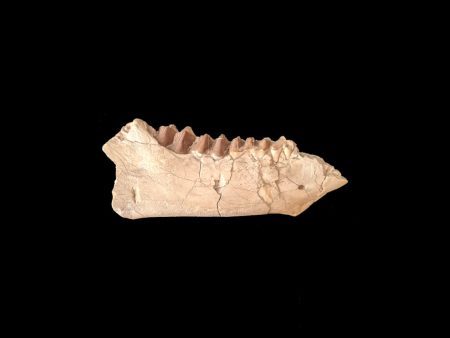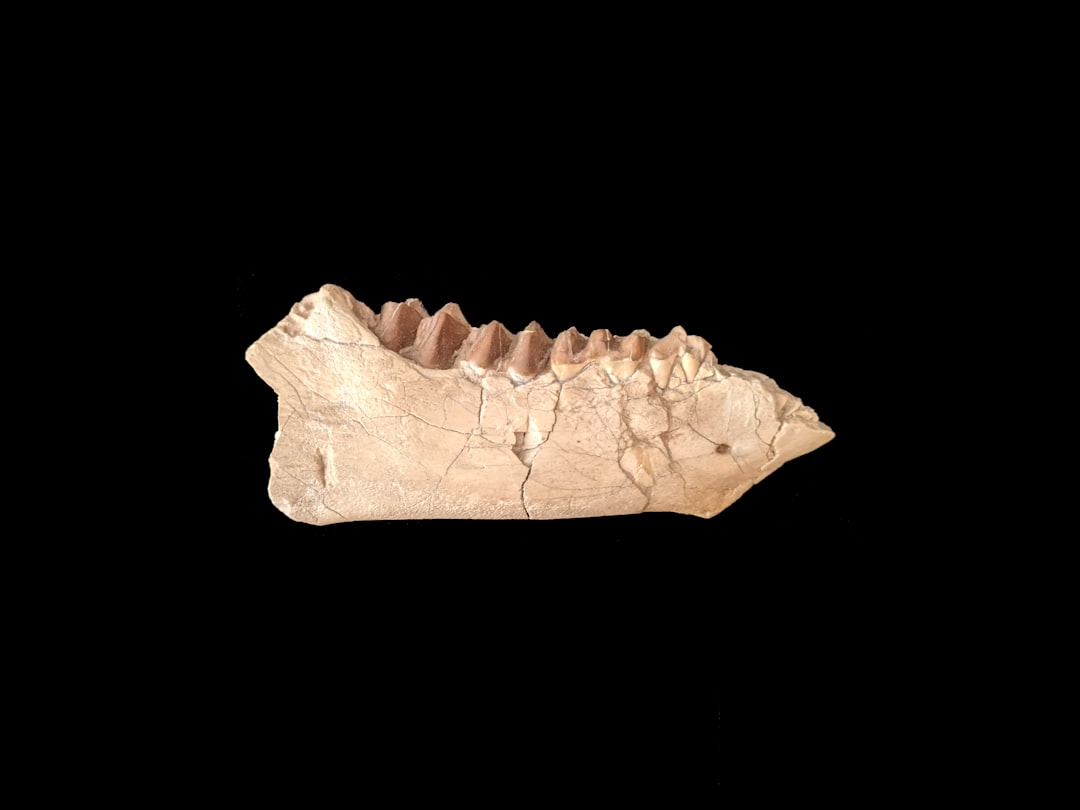
A 2.6-million-year-old ancient human jawbone, recently found in Ethiopia’s Afar region, is fundamentally altering the narrative of early hominin evolution. This pivotal discovery challenges long-held beliefs about the adaptability and widespread nature of Paranthropus, a robust relative of humans.
The fossil extends the known geographical range of Paranthropus hundreds of miles north, indicating this species was surprisingly versatile rather than a narrow specialist. It compels researchers to reconsider how early human relatives coexisted and competed for resources in diverse environments, rather than being easily outmatched by early Homo species.
For decades, paleoanthropologists were puzzled by the apparent absence of Paranthropus fossils in the Afar region, an area rich with remains of other hominin species. Many concluded that Paranthropus, often dubbed the “nutcracker” hominin due to its powerful chewing apparatus, was geographically restricted or limited by a specialized diet. This new find, however, suggests its absence was merely an artifact of the fossil record, as reported by ScienceDaily on January 23, 2026.
Redefining Paranthropus: More than a ‘nutcracker’
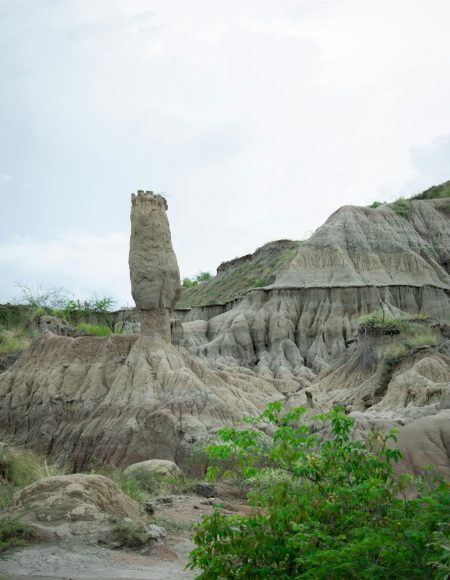
The discovery of this ancient human jawbone in the Mille-Logya research area of Afar is among the oldest Paranthropus specimens ever identified. Professor Zeresenay Alemseged, a paleoanthropologist at the University of Chicago, led the research team responsible for the find. He emphasized that this fossil is more than a simple data point; it reshapes our understanding of the evolutionary forces at play.
“If we are to understand our own evolutionary trajectory as a genus and species, we need to understand the environmental, ecological, and competitive factors that shaped our evolution,” Alemseged stated. The research, detailed in a newly published study in Nature, utilized high-resolution micro-CT scanning to examine the internal structure and shape of the jawbone, revealing critical insights into its owner’s life.
This evidence suggests Paranthropus was not only adaptable to varying environments but also capable of thriving alongside early members of the Homo genus. This contradicts earlier theories that painted Paranthropus as a rigid specialist, quickly outcompeted by the more flexible Homo. Instead, it highlights a period of complex co-existence and resilience among different hominin lineages.
The Afar region: A new chapter in human evolution
The Afar region of northern Ethiopia has long been a crucial site for understanding human origins, yielding numerous fossils from species like Ardipithecus, Australopithecus, and Homo. The addition of Paranthropus to this roster significantly enriches the evolutionary picture of the area. It suggests that this ancient human jawbone belonged to a species that was just as widespread and versatile as its contemporaries.
The finding from the University of Chicago Medical Center challenges assumptions about the competitive landscape of early hominins. It implies that the success of the Homo genus wasn’t necessarily due to the rapid displacement of other species, but rather a more nuanced interaction within shared, diverse ecosystems. This new perspective urges a re-evaluation of the ecological pressures and adaptations that drove human evolution.
The discovery of this jawbone provides a fresh lens through which to view the diverse paths early human ancestors took after diverging from chimpanzee lineages. It underscores the complexity of our evolutionary past, where multiple hominin species likely navigated similar landscapes, each with their unique adaptations. Future research in regions like Afar will continue to unravel these intricate relationships, offering deeper insights into what it truly means to be human.