Scientists have reconstructed ancient herpesvirus genomes from Iron Age and medieval human skeletal remains, revealing viruses embedded in human DNA for at least 2,500 years. This landmark finding confirms a deep evolutionary partnership, with some individuals inheriting these viral copies directly within their chromosomes, a phenomenon detailed in recent findings highlighted by ScienceDaily.com.
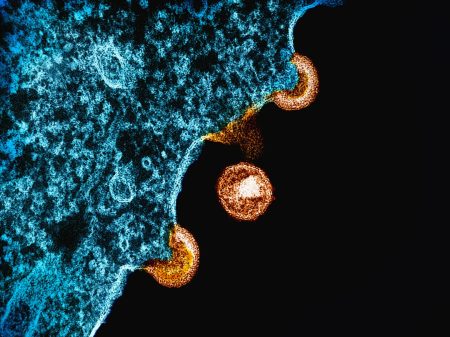
These findings, led by teams at the University of Vienna and the University of Tartu, provide the first direct genetic evidence of this intimate, long-standing relationship. Human betaherpesvirus 6A and 6B (HHV-6A/B), common childhood viruses, possess the unusual ability to insert their genetic material into human chromosomes, lying dormant for life and, in rare instances, passing from parent to child.
Today, roughly one percent of the global population carries these chromosomally integrated viral copies. While scientists suspected these integrations occurred in the distant past, prior research lacked the ancient DNA proof now brought to light. This study fundamentally reshapes our understanding of human-virus co-evolution, demonstrating how deeply these microscopic entities have shaped our genetic heritage.
Tracing viral evolution across millennia
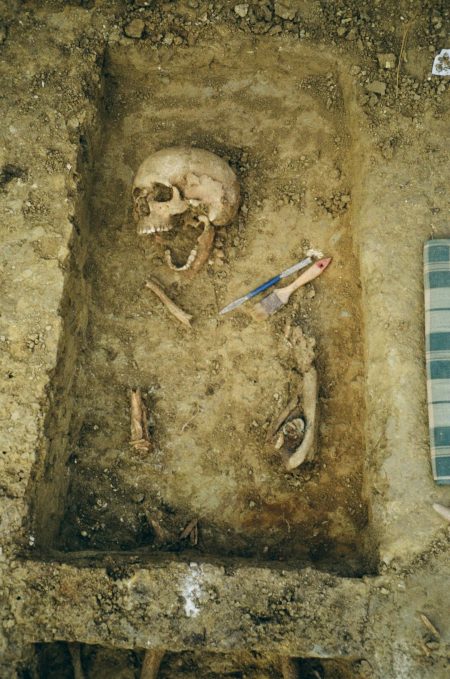
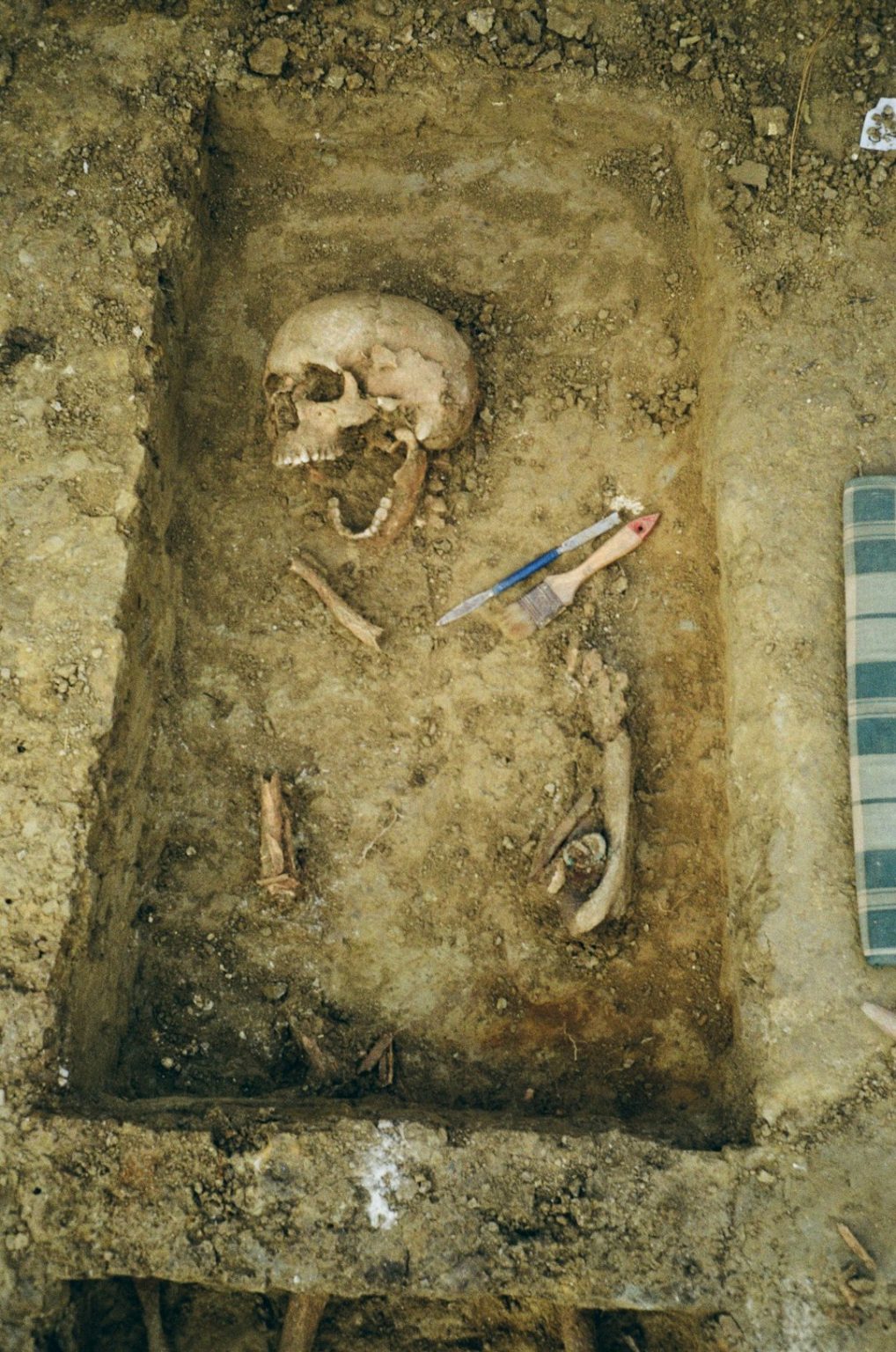
An international team meticulously analyzed nearly 4,000 human skeletal samples from archaeological sites across Europe, successfully identifying and reconstructing eleven ancient herpesvirus genomes. The oldest sample, from a young girl in Iron Age Italy (1100-600 BCE), provided crucial insights into the virus’s early presence.
Medieval remains from England, Belgium, and Estonia also yielded both HHV-6A and HHV-6B. Meriam Guellil, lead researcher at the University of Vienna’s Department of Evolutionary Anthropology, emphasized the difficulty of this task.
“While HHV-6 infects almost 90% of the human population at some point in their life, only around 1% carry the virus, which was inherited from your parents, in all cells of their body,” Guellil stated. “These 1% of cases are what we are most likely to identify using ancient DNA, making the search for viral sequences quite difficult.”
Significantly, several individuals from England carried inherited forms of HHV-6B, marking the earliest known cases of chromosomally integrated human herpesviruses. The Belgian site of Sint-Truiden was particularly rich, offering evidence that both viral species circulated within the same community, highlighting their pervasive presence in ancient European populations.
Divergent paths and lasting legacies
By reconstructing these ancient genomes, researchers pinpointed specific integration sites within human chromosomes. Comparing this data with modern genetic information revealed that some viral integrations date back thousands of years, passed down through countless generations. This long-term persistence underscores the intimate and often silent partnership between humans and these viruses.
The analysis also unveiled distinct evolutionary trajectories for HHV-6A and HHV-6B. Notably, HHV-6A appears to have lost its capacity to integrate into human DNA over time. This suggests a dynamic co-evolutionary process where the virus’s interaction with its human host adapted, altering its integration strategy as both species evolved together.
Today, HHV-6B is widely known for causing roseola infantum, or “sixth disease,” a common cause of febrile seizures in young children. Beyond childhood infections, carrying a copy of HHV-6B in one’s genome has been linked to conditions such as angina and heart disease, demonstrating the far-reaching and sometimes unexpected health implications of these ancient viral integrations.
This landmark study, published in Science Advances, fundamentally redefines our understanding of human-virus co-evolution. It provides compelling evidence of a shared genetic history spanning millennia, where viruses like HHV-6 became an intrinsic part of our genetic makeup.
Future research will likely delve deeper into the precise mechanisms of these ancient integrations and their full spectrum of long-term health effects on modern populations, offering new avenues for understanding chronic diseases and inherited genetic predispositions.