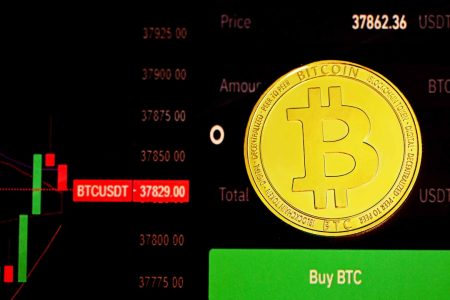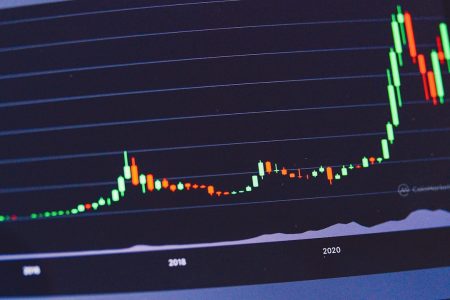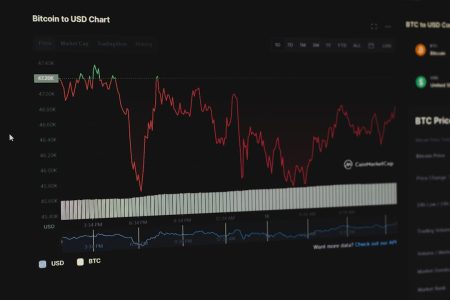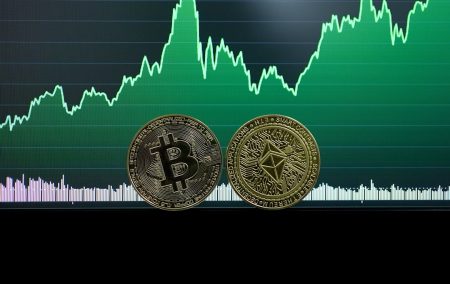

Bitcoin’s value plunged below the critical $89,000 mark this week, signaling a deepening apprehension across financial markets as US equities tumbled and Japan’s bond market grappled with significant turmoil. This sharp Bitcoin market volatility reflects a broader flight from risk assets, driven by macroeconomic headwinds affecting global investor sentiment.
The cryptocurrency’s downturn mirrors a cautious shift observed in traditional financial sectors. Investors are increasingly wary of rising inflation, aggressive interest rate hikes by central banks, and persistent geopolitical tensions, which collectively dampen appetite for speculative investments. This environment often sees capital moving towards perceived safer havens, away from high-growth or volatile assets.
Recent data from major financial institutions indicates a tightening of global liquidity, a direct consequence of central bank policies aimed at curbing inflation. This global economic outlook has created a challenging landscape for assets like Bitcoin, which, despite its “digital gold” narrative, often behaves more like a growth stock during periods of market stress.
The interplay of traditional markets and crypto
The recent dip in Bitcoin’s price is not an isolated event but rather a symptom of deeper systemic pressures originating in established markets. Weakness in US equities, particularly the tech-heavy Nasdaq, typically sends ripples across the broader investment spectrum. As institutional adoption of cryptocurrencies grows, so does their correlation with conventional financial instruments.
Analysts point to the Federal Reserve’s hawkish stance on interest rates as a primary driver. Higher borrowing costs reduce the appeal of future earnings, impacting growth stocks and, by extension, risk-on assets like cryptocurrencies. A report by the International Monetary Fund (IMF) in January 2024 highlighted the increasing interconnectedness of global financial systems, making localized shocks more prone to cascade.
Simultaneously, turmoil in the Japanese bond market adds another layer of complexity. The Bank of Japan’s adjustments to its yield curve control policy, coupled with a weakening yen, have created uncertainty, prompting investors to re-evaluate their exposure to global assets. This retreat from Japanese government bonds can trigger a broader risk-off sentiment globally, affecting everything from emerging markets to digital currencies.
Investor sentiment and future outlook
Investor sentiment remains fragile, with many participants adopting a “wait and see” approach. The current environment prioritizes capital preservation over aggressive growth strategies. According to a recent survey by Bloomberg in February 2024, a significant portion of institutional investors are reducing their exposure to volatile assets, opting instead for cash or short-term government bonds.
This cautious stance is likely to persist as long as economic indicators remain ambiguous and central banks continue their battle against inflation. While Bitcoin has historically shown resilience, its recent performance underscores its vulnerability to macro-economic shifts. Its role as a hedge against inflation is increasingly questioned during periods where traditional safe havens also face pressure.
The immediate future for Bitcoin and the broader cryptocurrency market hinges on stabilization in traditional finance. A sustained recovery in US equities, coupled with clarity on central bank policies, could provide the necessary impetus for a rebound. Until then, heightened global economic uncertainty suggests continued caution.
The recent drop in Bitcoin’s price below $89,000 serves as a stark reminder of the interconnectedness of global financial markets. As US equities falter and Japan’s bond market faces its own challenges, the ripple effects are undeniable, impacting even the most independent-minded digital assets. Navigating this landscape requires a keen understanding of both crypto dynamics and the broader macroeconomic currents that dictate investor behavior worldwide.