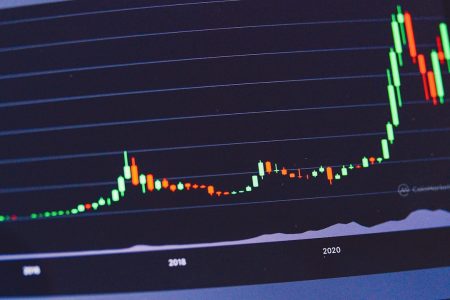
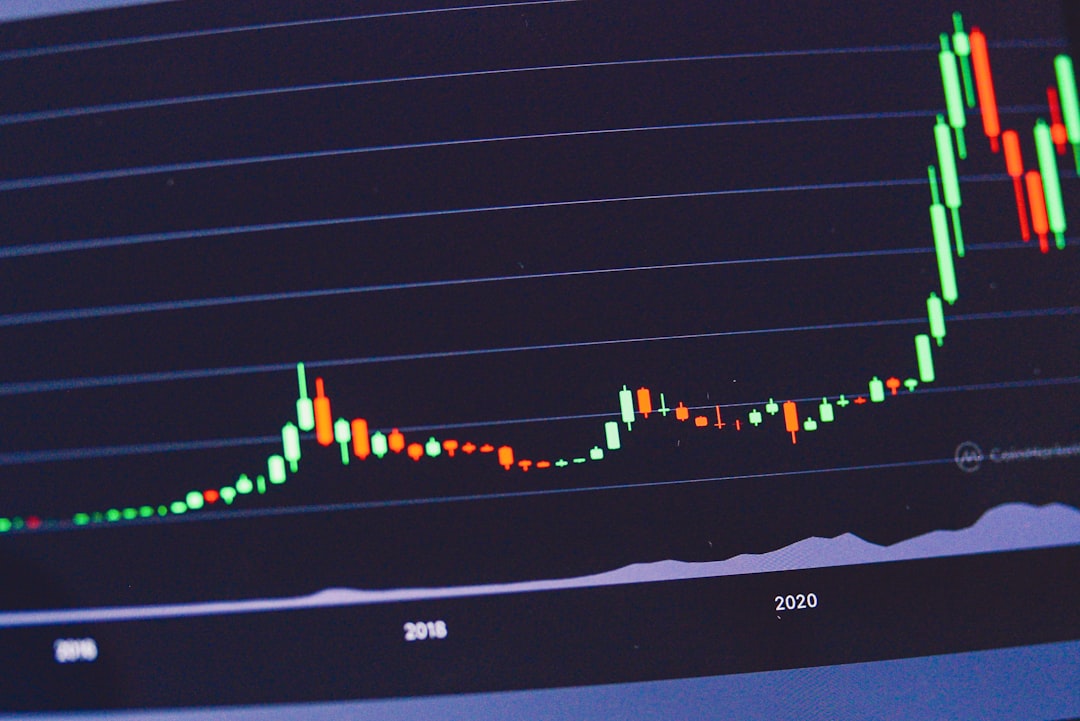
A recent analysis by CryptoQuant, as reported by The Block, suggests that Bitcoin’s latest price surge might be a classic bear market rally, rather than a definitive reversal. This assessment comes amidst growing market speculation about the sustainability of the cryptocurrency’s upward momentum following a period of significant downturn.
For many investors, distinguishing between a genuine market recovery and a temporary bounce during a bearish trend is critical. A bear market rally, often characterized by sharp, short-lived price increases, can mislead participants into believing the worst is over, only for prices to resume their downward trajectory.
Understanding the underlying dynamics of such movements requires a deep dive into various market indicators, particularly on-chain data, which provides a transparent view of network activity and investor behavior. This context is especially vital as global economic uncertainties continue to influence risk assets like cryptocurrencies.
Unpacking on-chain signals for a Bitcoin bear market rally
CryptoQuant, a prominent on-chain analytics firm, typically scrutinizes a suite of metrics to gauge market health and identify potential bear market rallies. Key indicators often include the Spent Output Profit Ratio (SOPR), which reveals if market participants are selling at a profit or loss, and the Market Value to Realized Value (MVRV) Z-Score, indicating whether the asset is over or undervalued relative to its fair value.
During a bear market rally, SOPR often shows short-term holders taking profits, while long-term holders might still be realizing losses or remaining dormant, signaling underlying weakness. Similarly, MVRV metrics could suggest that while prices have risen, they haven’t yet reached levels indicative of broad investor profitability or sustained accumulation. Exchange net flows, another crucial metric, might show a net inflow of Bitcoin to exchanges, suggesting increased selling pressure rather than accumulation.
Derivatives markets also play a significant role. Funding rates that turn positive too quickly during a rally can indicate an overheated market driven by speculative long positions, which are vulnerable to liquidation cascades. This confluence of on-chain and derivatives data helps analysts like those at CryptoQuant paint a comprehensive picture of market sentiment and the sustainability of price movements, guiding investors through volatile periods.
Investor sentiment and macro headwinds
Beyond the raw data, investor psychology is a powerful force in a bear market rally. Fear of Missing Out (FOMO) can drive retail participants back into the market during a price surge, fueling the rally temporarily. However, this enthusiasm often wanes if fundamental economic conditions or underlying market structures do not support a sustained recovery.
Macroeconomic factors, such as central bank policies, inflation rates, and geopolitical tensions, continue to cast a long shadow over the cryptocurrency market. As reported by the International Monetary Fund (IMF), global economic growth faces persistent challenges, which naturally temper investor appetite for riskier assets. A hawkish stance from the U.S. Federal Reserve, for instance, typically leads to a tightening of liquidity, impacting asset prices across the board, including Bitcoin.
These broader economic pressures often mean that even strong technical rebounds in Bitcoin may be viewed with skepticism by institutional investors, who prioritize stability and clear catalysts for long-term growth. The interplay between on-chain metrics, market sentiment, and macroeconomic trends ultimately determines whether a rally is a fleeting phenomenon or the beginning of a new market cycle.
While Bitcoin’s recent price rebound offers a glimmer of hope for many, CryptoQuant’s analysis serves as a vital reminder for caution. Investors should closely monitor on-chain data for signs of genuine accumulation and sustained demand, rather than being swayed by short-term price movements. The path to a full recovery will likely be protracted, contingent on both internal market dynamics and the broader global economic landscape.