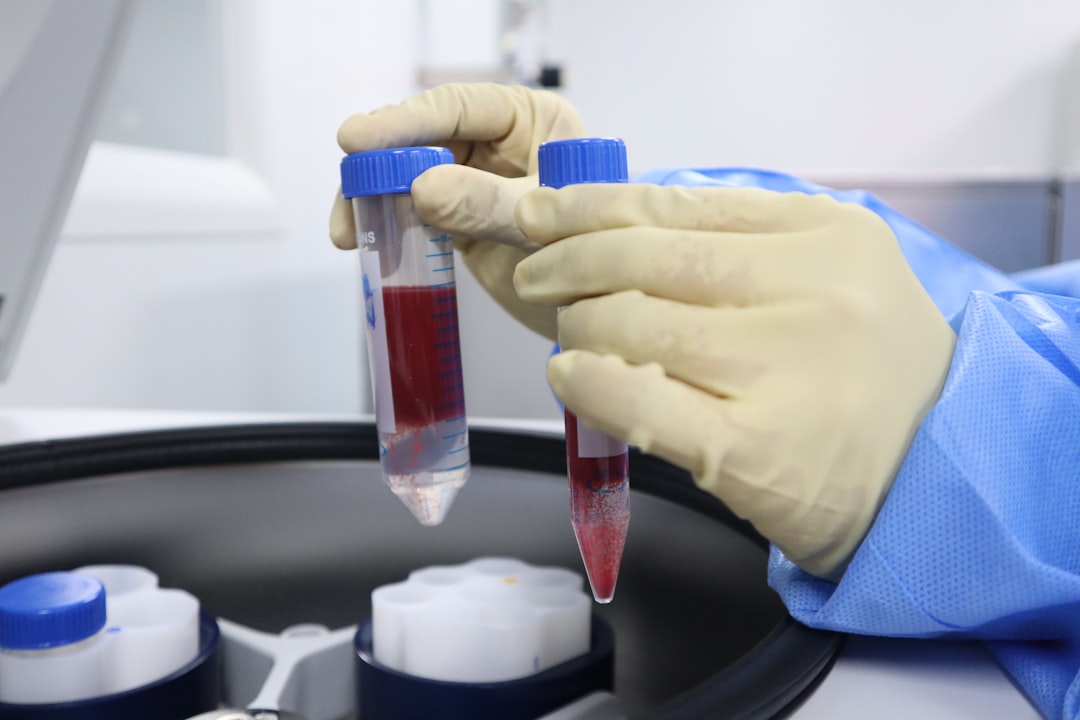
A global study reveals a critical early warning for kidney failure and death: a hidden discrepancy between creatinine and cystatin C, two common blood tests. This kidney test mismatch, often overlooked in older or hospitalized patients, signals a significantly elevated risk of severe kidney disease and cardiovascular complications. Relying on a single test may miss these crucial indicators, delaying vital interventions, as reported by ScienceDaily on January 21, 2026.
For decades, medical professionals primarily used creatinine levels to estimate kidney function, a byproduct of muscle activity. However, more recent guidelines advocate for the additional measurement of cystatin C, a protein produced by all cells. These two markers, influenced by different biological processes, offer a more comprehensive and accurate picture of kidney health and future risks than either test alone.
Precise kidney function assessment extends beyond diagnosis. Chronic kidney disease (CKD) affects more individuals worldwide than ever, becoming the ninth leading cause of death globally. Identifying early indicators like a kidney test mismatch can be pivotal for earlier treatment, potentially reducing the need for drastic measures such as dialysis or organ transplantation.
The silent discrepancy in kidney markers
Researchers from NYU Langone Health found substantial differences between creatinine and cystatin C results, particularly among ill patients. Their international analysis revealed over one-third of hospitalized individuals had cystatin C results suggesting kidney function was at least 30% worse than creatinine indicated. This significant gap points to underlying disease that could otherwise go unnoticed.
Dr. Morgan Grams, co-corresponding author and Susan and Morris Mark Professor of Medicine at the NYU Grossman School of Medicine, highlighted the critical need for dual testing. She stated: “Our findings highlight the importance of measuring both creatinine and cystatin C to gain a true understanding of how well the kidneys are working, particularly among older and sicker adults.”
This dual evaluation identifies more individuals with impaired kidney function earlier, covering the blind spots of individual tests. The study was published in the Journal of the American Medical Association and presented at the American Society of Nephrology’s Kidney Week conference.
Broader implications for health and medication
Accurate kidney function measurements are vital not only for detecting disease but also for safely determining medication doses. Kidney performance guides appropriate dosing for crucial treatments, including cancer therapies, antibiotics, and many other commonly prescribed drugs. A missed kidney test mismatch could lead to incorrect dosages, potentially harming patients.
This comprehensive research, conducted through the international Chronic Kidney Disease Prognosis Consortium, reviewed medical records, blood test results, and demographic data from 860,966 adults across six nationalities. Participants were followed for an average of 11 years, with analysis meticulously accounting for factors unrelated to kidney function, such as smoking, obesity, and cancer history.
The study concluded that individuals whose cystatin C results showed kidney filtration at least 30% lower than their creatinine results faced significantly higher risks of death, heart disease, and heart failure. They also had a greater likelihood of developing severe CKD requiring dialysis or transplantation.
The findings underscore a powerful message for healthcare providers and patients: a simple, yet overlooked, kidney test mismatch can be a harbinger of serious health complications. Integrating both creatinine and cystatin C into routine screenings, especially for at-risk populations, could revolutionize early detection and intervention for kidney disease. This proactive approach holds the promise of improving patient outcomes, extending lives, and reducing the global burden of advanced kidney and heart conditions.